Willard Suitcases / December 2013
I have been editing and uploading the suitcases in the order in which they were shot. This process is quite drawn out as I shot well over 30,000 images during the project and it is an enormous task. I have been feeling really good about it though, as I am spending most days until 1 PM working on the files. The photos in this post are all from a shoot on the 11th of December 2013. At this point, Peg and I had worked through many of the suitcases that were full, and in this stretch the cases were largely empty except for labels.
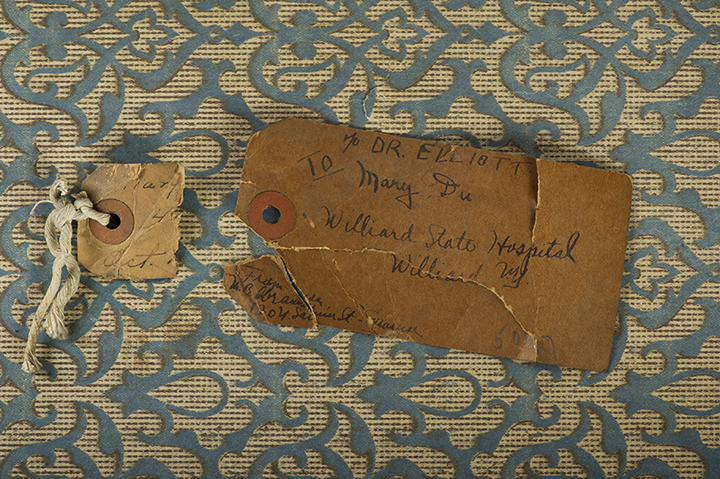
Mary’s labels are quite evocative. The small one on the left is unfortunately torn, so we can’t see her date of admittance, but the larger one on the right tells us that she came from Syracuse. Dr Elliott’s name shows up often in our work, and I must assume that Elliott Hall at Willard is named after him. (I can’t remember if I have ever linked to this before, but Dr. Robert E. Doran wrote a history of Willard in 1978 that is really interesting. Here is the link.)

There are so many small details that grabbed my attention when I was shooting. This is all that was left of Mabel Y’s label.

Norah’s label tells us quite a lot. Her Willard number, her date of admission, from where she came and into which building she went. Peggy and I often had a laugh over the description of the suitcases; “leather-like” was used constantly. And occasionally “cardboard-like” appeared. When you think of it, cardboard-like is probably…..cardboard!
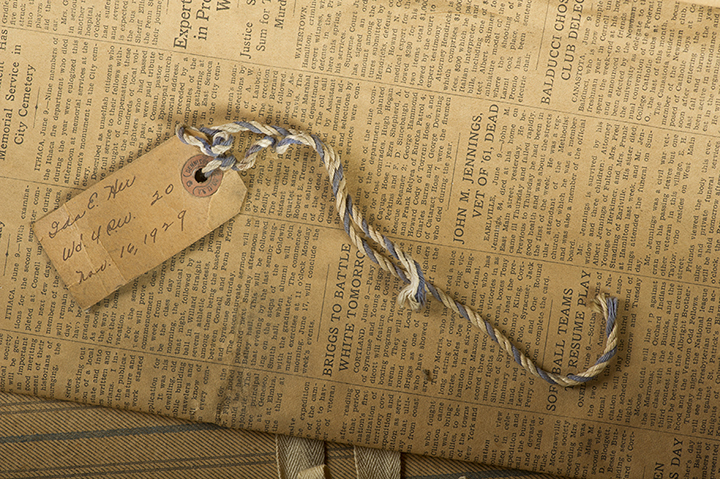
Ida came to Willard on 16 November 1929. The string on the label is pretty and the Syracuse Post-Standard is from June of 1929.
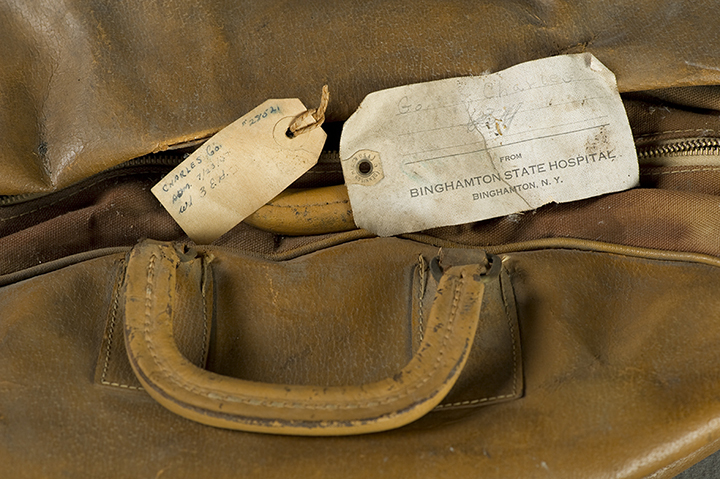
Charles and his small leather grip arrived from the Binghamton State Hospital.

Richard’s case was clearly a traveling salesman’s and was completely empty.
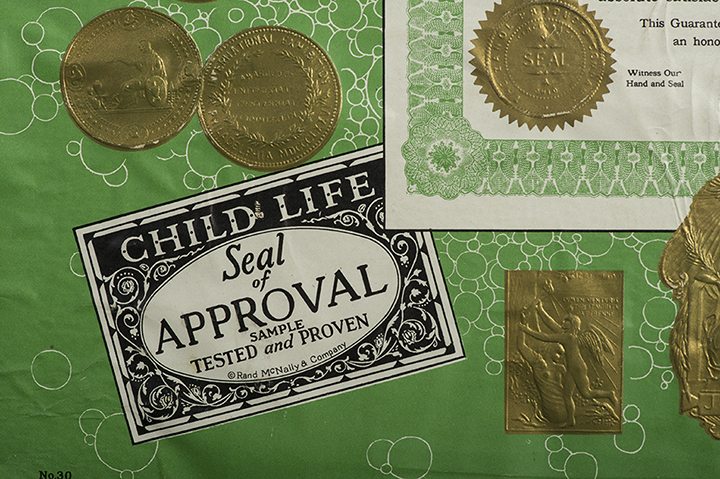
Here is a detail. The Zanol Company was based in Cincinnati.

Finally for today, Alice R’s case had this nice thermometer, a clasp for holding up a stocking, and a card from a Christmas present.
Please go to the Willard Suitcases site to see more photographs of these particular cases. Click on “The Cases” and scroll down to the bottom to see the latest additions. Thanks for following.
Willard Suitcases / Stuart B / Oscar Wilde

I am getting a lot of editing done lately, and am feeling great about the images.

Stuart’s (maybe Stuert, it appears both ways) case was full of interesting toiletries. Several of the residents had Dr. Lyon’s Tooth Powder.

I have always wanted to avoid “fetishizing” the objects that came to Willard with the patients, but the design of the items in Stuert’s case really grabbed me.

The attention to detail in commercial design during the time of these products is impressive.
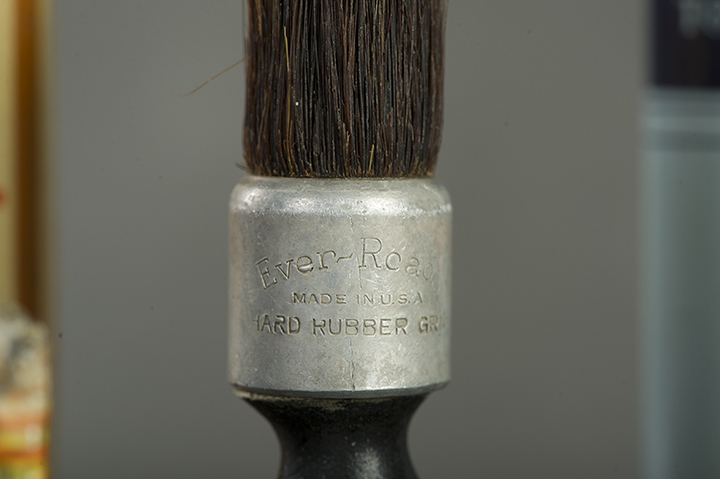
This Ever-Ready shaving brush had quite a bit of use.
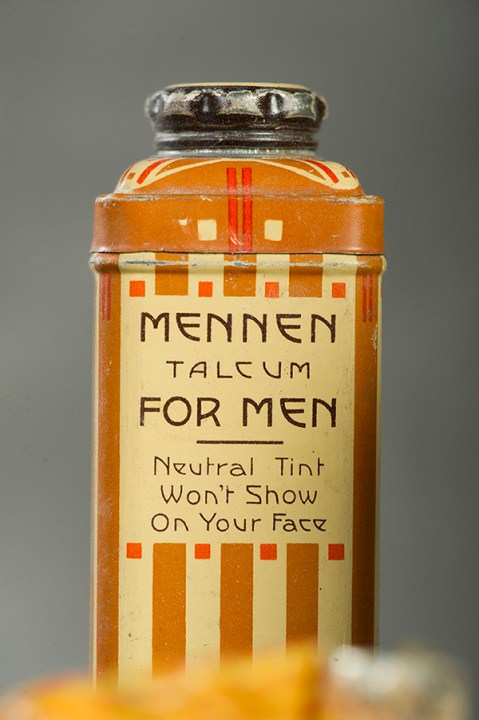
I love the typeface (or is it font?) on the Mennen talcum powder. One wonders about the “neutral” tint, and on just how many faces it wouldn’t show.

The above image is one of my favorites from the project.

The Mennen Company is still in business, and are mostly known for their deodorants.
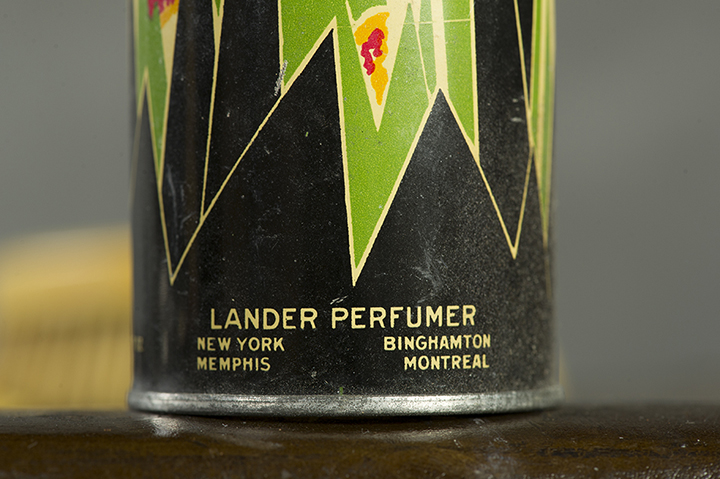
Lander Perfumer; New York, Memphis, Montreal, and……Binghamton!
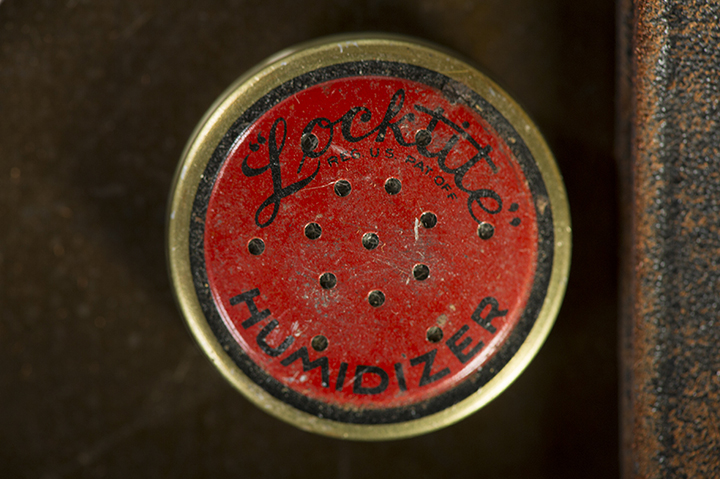
I am glad I (or Peg) thought to photograph the back of the “Locktite Humidizer”.

It keeps your tobacco fresh, and they are definitely out of business.

Thanks for following. I have been uploading a ton of new cases on the Willard Suitcases site. Go check it out, and don’t forget to click on the “view all” link at the bottom of each page. 25 is the default number and in many instances, there are more than that number in the gallery.
I was listening to “With Great Pleasure” on Radio 4 today while I was editing these photographs and heard this Oscar Wilde quote from “De Profundus”. “Where there is sorrow, there is holy ground”. I think he was right on the money.
Robert L. Crispin / Cuthbertson Verb Wheel

I never thought of my dad as a bow tie kind of guy. In fact, this is the only photo that I have with him wearing one. I found it along with his notes on work he did on the German Cuthbertson Verb Wheel. I remember him saying that as a grad student at the University of Colorado he did most of the background work putting it together. Grad students all over the world can recognize this particular situation.
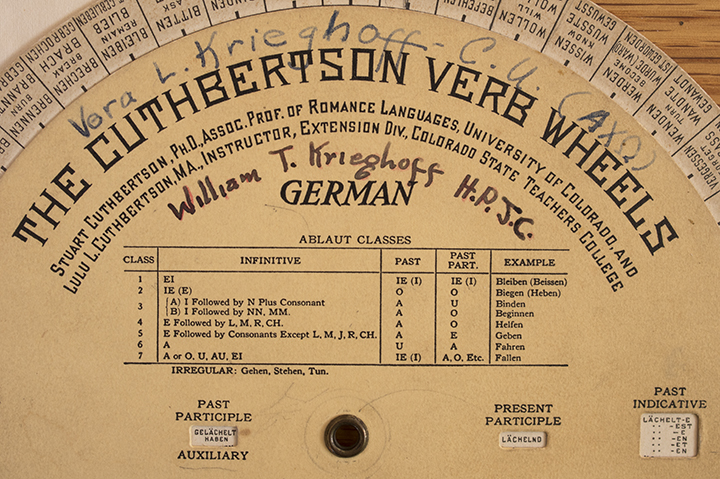
This one was published in 1933 and belonged to my mom and her brother Bill who were both students at the university. I’m not sure what H.P.J.C. stands for after Uncle Bill’s name. My mom was clearly proud of her affiliation with Alpha Chi Omega.

I looked online, and couldn’t find much information on Cuthbertson beyond the fact that he taught at C.U and was Chairman of the Department of Modern Languages. And clearly he gave credit to his wife Lulu (great name) who worked with him on all the Romance language wheels they published.

When I picked up the wheel this morning, I was cheered to see that the arrow pointed to the verb “lächeln” (smile). Not a bad way to start the weekend.
Peggy Ross has worked with me on the suitcases project from the very start, and today is her birthday. Happiest of days, Peg.
Cheers everyone.
Willard Suitcases / Vintage News

The Vintage News ran a nice little interview about the suitcases on their site. You can check it out here.
Thanks Alex!
Willard Suitcases / Labels / Books
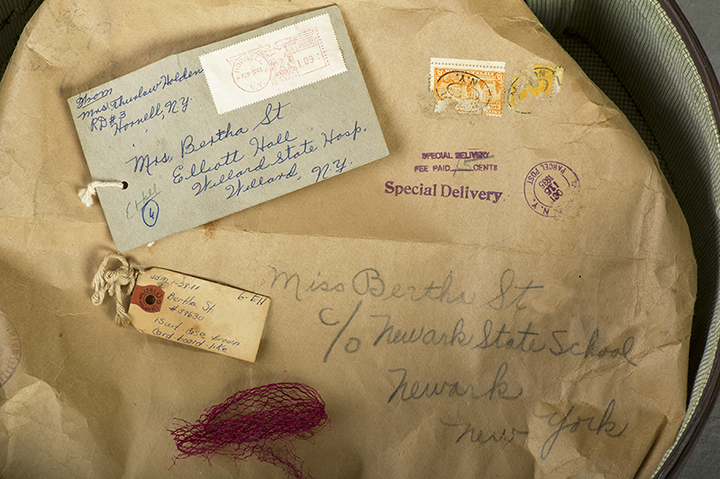
I have been spending a lot of time editing the suitcases in the past few weeks, and have set a goal to finish all of that work by early April. Over the 5+ years of shooting, the amount of images generated is quite massive. So check out the willardsuitcases.com site if you haven’t been there lately. All of the recent folks are at the bottom of “The Cases” page. I am uploading on a regular basis. Most of the cases that I have been working on are not very full, but the labels are so evocative. Bertha S was clearly at the Newark State School (The New York State Custodial Asylum for Feeble-Minded Women) before she came to Willard.

Florence G. arrived at Willard in 1936 and lived in Eliott Hall. Her two cases contained little more than some coat hangars, a key, and a label.

On Ida’s label, the “returned from family” line is interesting and a bit sad. One always wonders what kind of connection the patients at Willard had with their families.

Ellen H. arrived in March of 1967. This type of tie down ribbon was common in many of the suitcases. The green is such a beautiful color.

When I ran the second Kickstarter appeal, the top reward was a limited edition book that was for backers at the $500.00 level. I had 40 printed and still have a few left that are numbered and signed. If you would like to help the project in a big way, I would be most grateful for the support.
Many of you have asked about a book, and I realize that $500.00 is beyone the budget of a lot of the followers of this project. So I have had another run of the reward book printed. It is a slim volume that contains 32 suitcase photos and a picture of the attic where the cases were stored, along with a bit of text. I am selling these for $60.00 + $10.00 shipping and they are really beautifully designed and printed. If you are interested, send me an email at jon@willardsuitcases.com. You will then get an invoice through Square, which processes my transactions, and once payment is made, I will ship it right out. Paypal also works for me, and if you email me, I’ll give you the details. If you want one for yourself and one as a gift, I’ll send along two for $100.00 (plus the $10.00 shipping).
Thanks again for following and for all the support.
Kilmainham Gaol / Guinness / Home
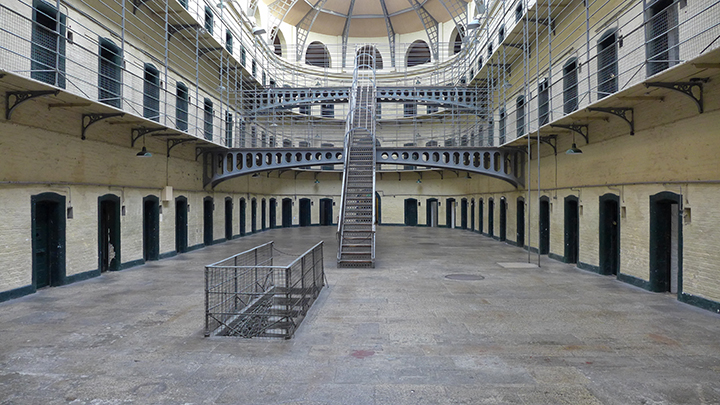
Our time in Dublin was limited, and it was difficult to decide what to do for the last day and a half we were there. We were really interested in seeing the historic Kilmainham Gaol, as it was highly recommended. The only way to get in is with a guide, but Brian was really knowledgeable and we learned a ton about the history of Ireland.

My interest in institutional architecture and abandoned buildings goes way back, and it was a treat to be able to walk through this important historic site and have time to photograph.
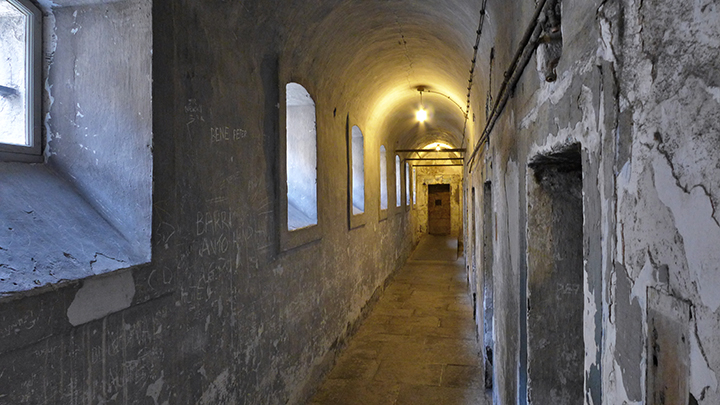
For me walking through hallways like this is the best way for me to connect with the history of a place.

The building was abandoned for many years and left to deteriorate, but a group largely made up of volunteers has worked for years to make it accessible to the public.

The tour was fairly crowded, but it was pretty easy to hang back and photograph whenever I saw something interesting.
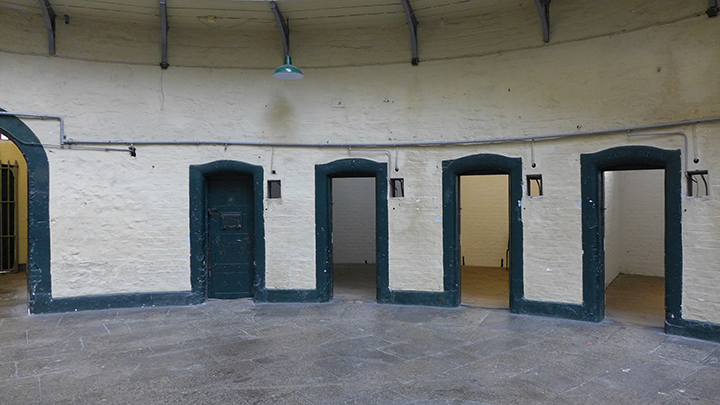
The main hall in the first photograph was built based on an idea of imprisonment that came from the Pentonville prison in England, whereby prisoners were isolated in individual cells rather than thrown together in large rooms. This was meant to foster a more peaceful environment to aid in rehabilitation , but conditions were still quite brutal.

The cross at this end of the yard marks the spot where James Connolly was executed by firing squad. If you get a chance to read about him in the link, the story of his life and death is very moving. I think the best thing about the tour of the gaol is how much Irish history we learned.

After the prison, a trip to the Guinness Brewery seemed like a good idea.

This is an enormous industrial complex in Dublin. Another tour, but this one was self guided but also quite informative.

It was cool to see this little monument to William Sealy Gosset since I had just seen an article in the Times of London about his work on probability and how Nate Silver uses the same basic model to predict US elections. The article is behind a paywall, but you might be able to sign up for a free trial. It is worth a read.
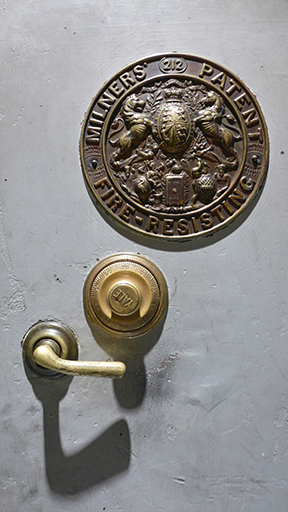
This is the handle of a big safe that held the yeast strain that is still used in making Guinness. / The tour ended with a complimentary pint of the black stuff, which as always, goes down a treat.
We had a few hours on the day we flew home so were able to see the Book of Kells at Trinity College. We were told not to miss it and it was amazing. No photos are allowed in the exhibit, but the tour does include a visit to the Long Room Library.
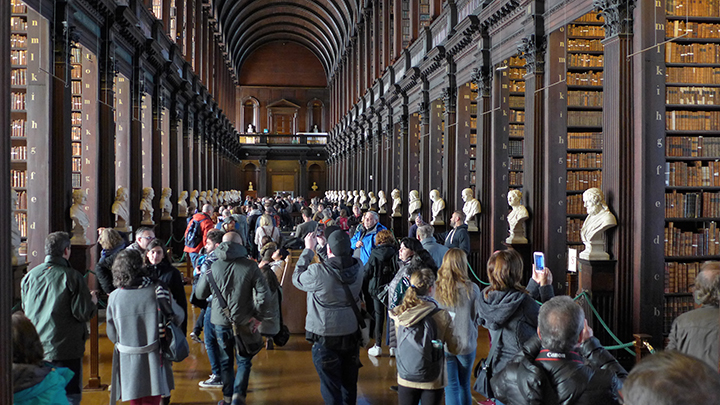
More crowds, but the room is stunning. Love the marble busts.
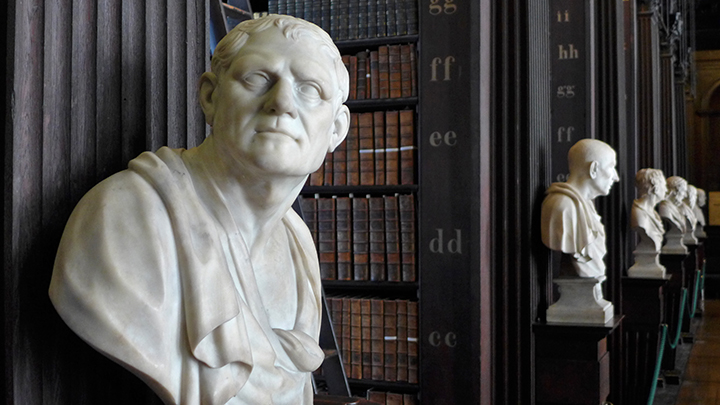
Here is old Demosthenes checking things out.

There is an active conservator’s lab that the public can view, and I was reminded of my work on the suitcases as the cotton string used to wrap the books is the same that the New York State Museum used on the cases.

Here is a piece of it tied to the grate that separates the conservators from the public.

We had a bit of time before catching the bus to the airport to walk through St Stephen’s Green and enjoy the beautiful autumn day.

Back home now to return to spending a lot of time editing the suitcases, and to begin reaching out to publishers and museums. Thanks for following.
Dix Hospital Cemetery / Willard Suitcases
The visit to WUNC went really well. Frank Stasio was a great interviewer and it was fun to chat with him and Rose Hoban, whose interest in the suitcases brought me to Raleigh for the Lives on the Hill event. Here is a link to the broadcast.

I am staying with my friends Eric and Gail Vaughn and yesterday they drove me over the Dix grounds so I could get my bearings. I saw this marker for the cemetery and we stopped to walk around.

I was actually shocked to see that the grave markers used names instead of numbers as New York State does. And it made me both sad and angry that New York still refuses to allow former patients to be identified.
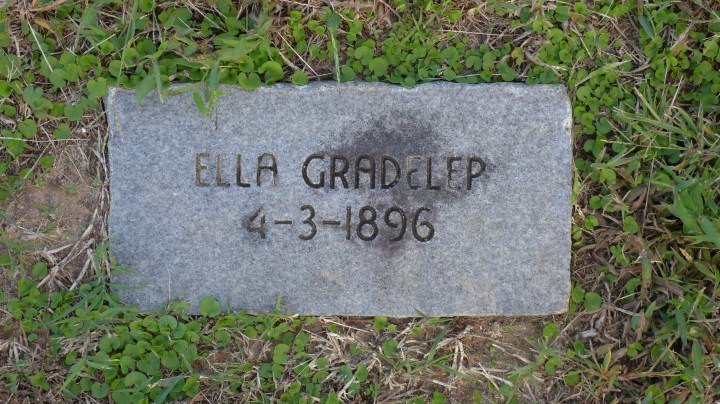
It would seem such an easy thing to change, but New York State OMH has no interest in doing so.
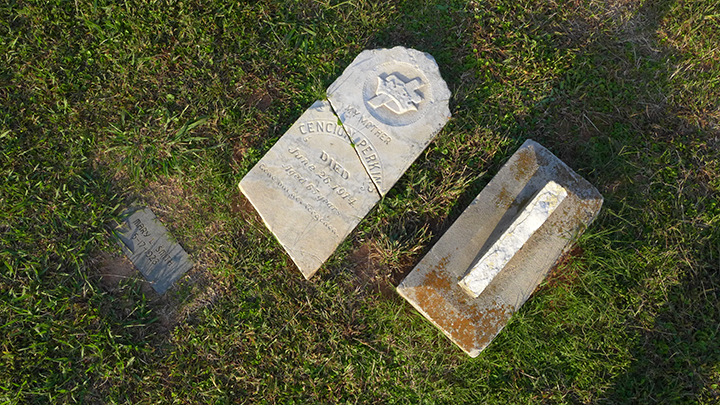
Please go to Lin Stuhler’s site and read her goodbye post. She has said it much better than I ever could.
Tonight is the reception at The Mahler Fine Art gallery in Raleigh and tomorrow is the big public event. If you are in the area please come by. Thanks for following.
Raleigh / Galveston /Willard Suitcases
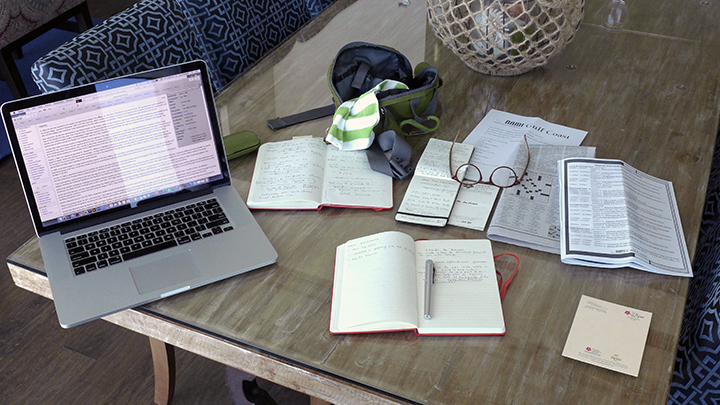
I had an amazing time in Galveston at NamiFest. What a lovely group of people and I felt so very welcomed by everyone. My presentation went really well and I got fantastic feedback about the suitcase photographs. NAMI is a fantastic grass roots organization, and if you or friends and family are dealing with mental health issues, they are a valuable resource.
Tomorrow I am off to Raleigh for the “Lives on the Hill” event which centers on the Dix Hospital complex. On Thursday just after 12.15 PM, I will be on “The State of Things” program with Frank Stasio. For those of you near a computer at that time, it can be streamed here. It will also be rebroadcast in the evening at 8.00 PM. The big event is on Sunday. Here are the details. If you follow the project, please stop by and say hello. I love meeting folks and talking about the suitcases. In addition to the Sunday event, photos are on display at The Mahler Fine Art, and at the Busy Bee Cafe. It should be an interesting weekend.
Willard Suitcases /Karen Miller / Archives

When I started photographing the suitcases, I really had no idea what I was doing, or where the project would go. Very early on, Craig Williams introduced me to poet and psychiatrist Dr. Karen Miller, and it has been amazing to “share” the suitcases with her over the five plus years that we have had access to the collection. Because of her, I was included in the Exploratorium Exhibit in San Francisco, and because of her, I gained so much insight into the lives of the patients at Willard. She has illuminated the human side of the folks who, in many cases, lived their entire lives at the institution.

I have always seen the suitcases and their contents as a reflection of who the patients were before, and during their time at Willard. Because Karen went through the lengthly and difficult process of gaining access to the medical records of the suitcase owners, she was able to explore the clinical and bureaucratic side of their lives. On many occasions, we worked side by side at the museum storage facility in Rotterdam and were able to talk about what inspired us about the collection.

In many ways, I didn’t want to learn too much about the reason these folks ended up at Willard, since it was important to me to feel a connection to them through their possessions.
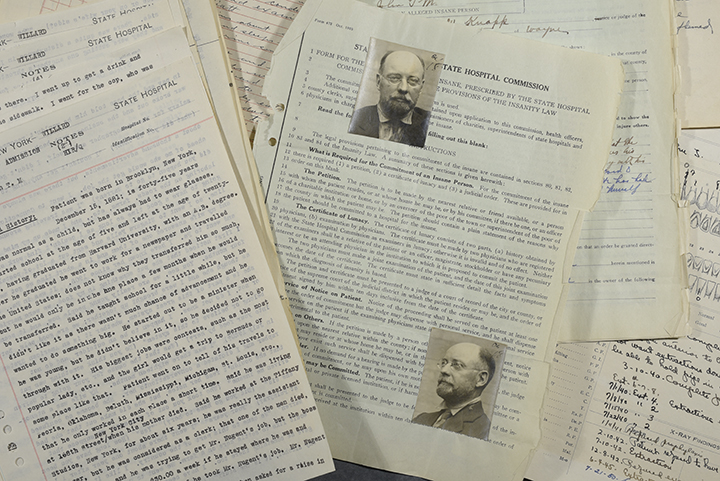
So it was with some trepidation that Peg Ross and I made arrangements to spend the day in the New York State Archives photographing some of the massive case files of the suitcases owners. Karen spent quite a bit of time getting Peg and me access to this otherwise closed collection, and I want to thank her so much for her efforts. It was a remarkable day, and so nice to be working close to Karen again.
I am still not sure what I will do with these photos, but I do know that they’ll eventually be a part of whatever happens with my work on the suitcases.
As I was profusely thanking Karen for all that she has contributed to my work on the collection, she remarked on something that really resonated with me. I’ll paraphrase here, but she said something to the effect that the most important things she has done in her life have been in collaboration with others. I feel that so deeply. Without Craig Williams, I would never had been able to begin the project. Without Peggy Ross I would never have photographed the entire collection, and without Karen I wouldn’t have anywhere near the insight as to what life as a patient at Willard would have been like. It is so fulfilling to be part of a team of such creative, smart, and great people, and I am so grateful to each for their help and support.
Cold War Bunker (Revisited)
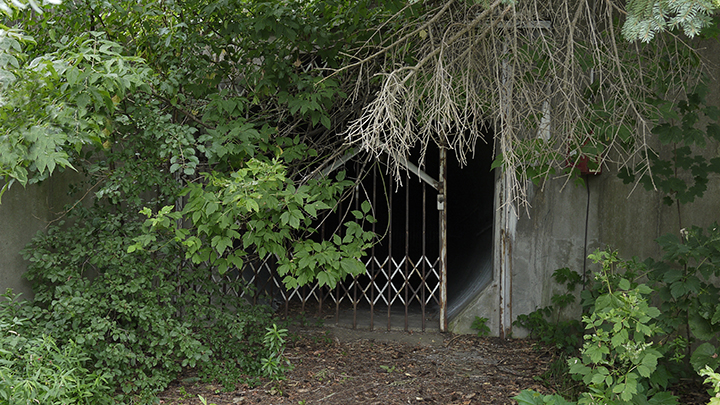
I was looking at some photographs that I took in 2010 of artifacts from the Attica Prison uprising, and came across these shots from a visit to a nearby New York State cold war bunker. I first mentioned it in a post here.

When Craig Williams and I went down into the bunker, we were accompanied by a couple of local policemen who thought there might be people inside, as the gate had been forced open. They checked it out and the space was empty, so we went in. As you can see by the beads of water on the wall, it was really humid and musty.
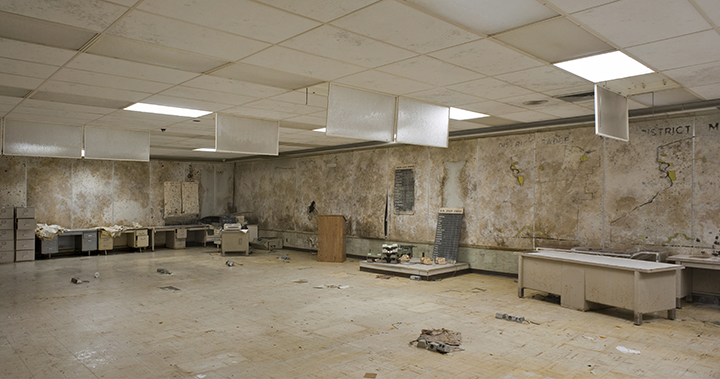
There was electricity, so most of the fluorescent lights were still working.

Abandoned spaces have always fascinated me, and I’ve been lucky to get access to some amazing buildings.
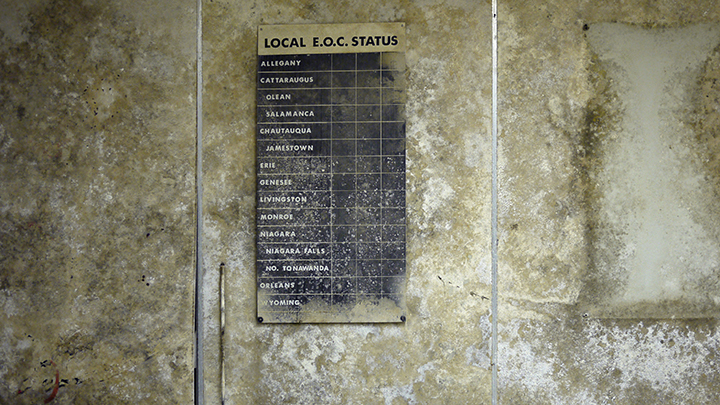
The idea that the usefulness of a place can end abruptly, and that an organization like the State of New York can basically walk away from it is especially interesting. I had the same feeling with my Silent Voices project (click on “asylums”).

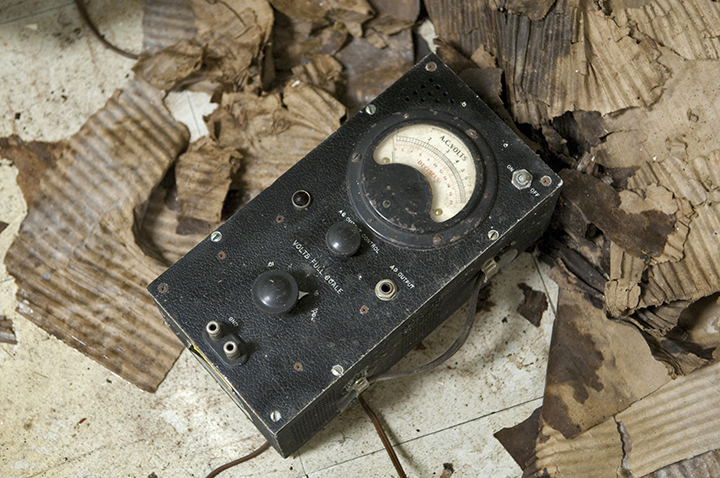
It is amazing what gets left behind. There is some pretty old technology in this shot. My dad had a Wollensack tape recorder like the one above that I used to play with as a kid.

There are usually lots of keys in places like this.

I am not sure when New York State shut down these sites, but I believe there were 6 or 7 of them scattered around the state.
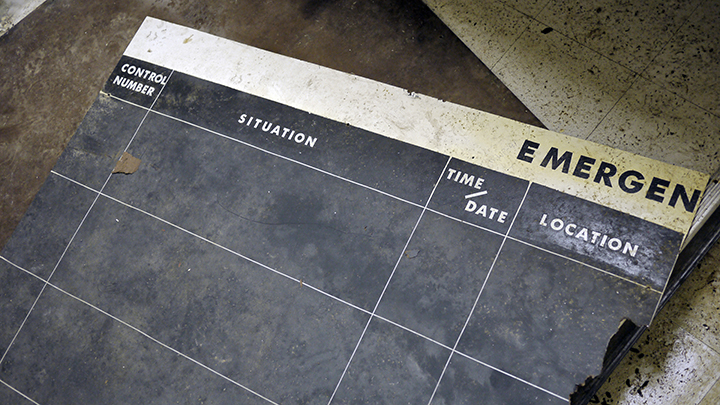
There must have been some permanent staff who worked here, but I would guess that it was a small crew that could have been expanded on during a crisis.

It must have been an interesting place to work.
I realized while writing this post that I knew very little about the history of these sites, so with a quick internet search, I found this great resource.

The U. S. Government logo for civil defense is a beautiful design; as I was growing up in the 60s it was everywhere.
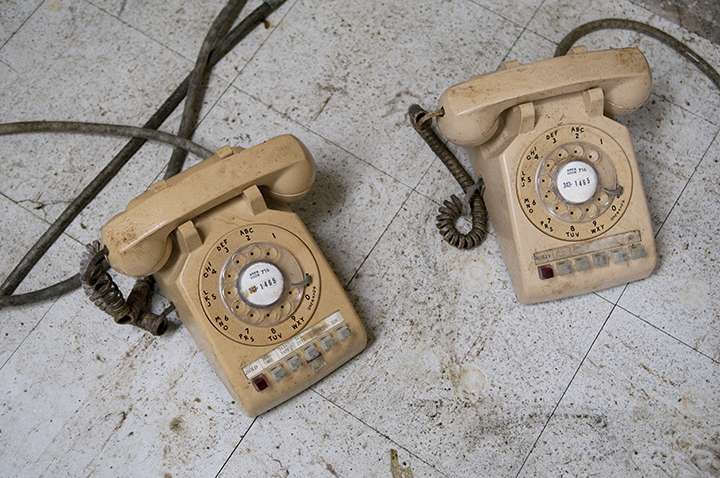
As were these old rotary phones.
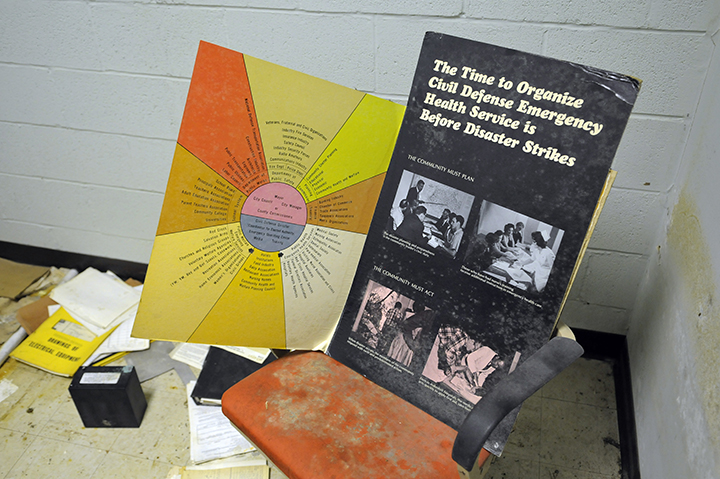
Both the Federal and State governments were active in distributing information about what to do in the case of an emergency situation, which seemed to always be about some sort of attack from the USSR.
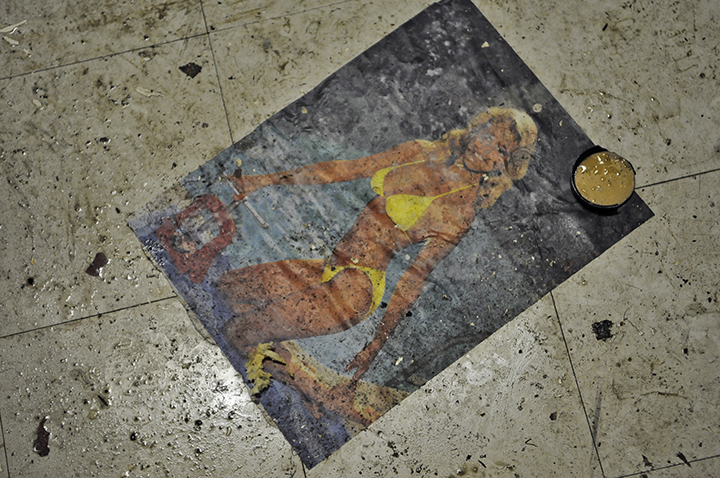
This is a page from an old Ridgid Tool calendar. There were a bunch of these scattered around the floor.

Here’s one last shot of the main room. Thanks to Craig for setting me up to get into this place. I’ll try to do something with the Attica artifacts sometime soon.
I finally figured out why I have so many new followers. WordPress featured me on their main site, and I want to thank them for doing so. I was going to try to explain to you recent followers what I am trying to do here, but it is kind of obvious if you just jump around through my previous posts. So, welcome and thanks for following.
 Jon Crispin's Notebook
3 comments