Slate Magazine

Slate Magazine ran a really nice piece on the Willard Suitcase project. Here’s the link. Big thanks to David Rosenberg for his interest and doing a great job choosing and laying out the photos. / When I was recently in San Francisco I stayed at this place. It is a great old building and the staff are loads of fun.
Sunday Telegraph Magazine
I almost forgot. Tomorrow’s (10 February, 2013) London Sunday Telegraph Magazine “Seven” will feature an article on the project written by Lucy Davies. I haven’t seen it yet, but check it out if you are in the UK.
San Francisco

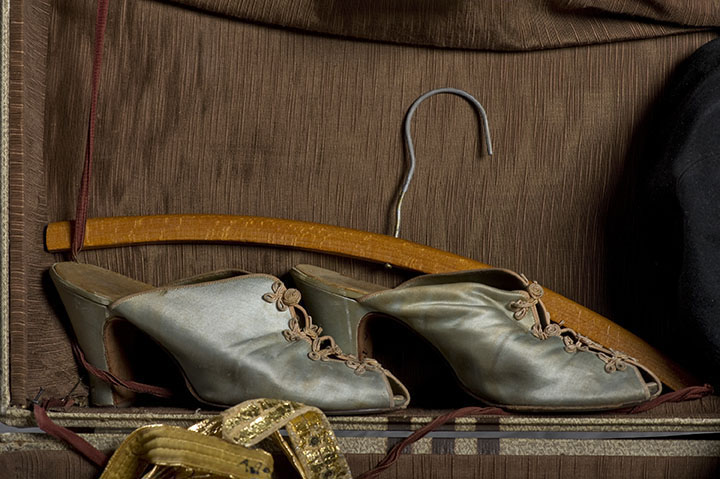
Hey everyone, tomorrow I fly to San Francisco to help plan how my portion of the “Changing Face of What is Normal” exhibit will be hung. (Providing Logan in Boston is open for business. We had 20 inches of snow here in Western Massachusetts overnight, and Boston got totally wailed.) I’ll try to post daily from out there. I don’t know how much free time I will have, if any, but if you are in the area and want to meet up for a brief visit, just send me an email. It might work. This photo is from Flora T’s case. I think I published it in an earlier post, but lately this image has been sticking with me. The print I made is absolutely beautiful.
The Amazing Beverly Courtwright
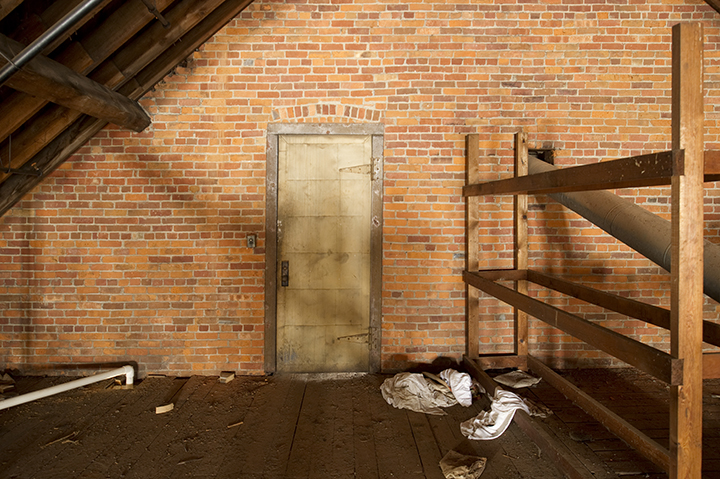
I have always given primary credit to Craig Williams for saving the Willard suitcases, and his contribution to the preservation of these objects was enormous. But if it wasn’t for Beverly Courtwright’s connection to Willard and her tremendous respect for the patients and their lives, the cases would have been lost forever. On Saturday I got the chance to meet her for the first time, and thanks to the corrections folks who now control the site, we were allowed to go into the attic for a few minutes. It is behind this door that in May of 1995 Bev “rediscovered” the cases. She had become one of the Willard employees heavily involved with the transition team responsible for shutting down the psych center. As a storehouse clerk, part of her task was to go through all the buildings to determine what should be saved and what could be thrown out. She described the first time she opened this door and saw the cases stacked up as a surreal experience, and told me that she felt a “whoosh of energy” sweep over her.

She grew up in the area, and as a child remembers Willard patients coming to her home through the Family Care program that allowed for patients not in need of direct care to live temporarily in private homes.
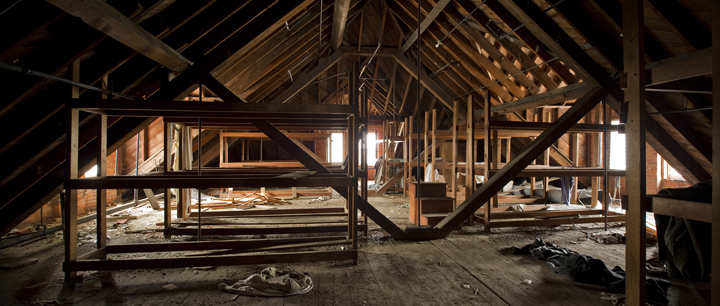
This is what the attic now looks like when you walk through the door. The racks are on either side of the attic with men’s cases on one side and women’s on the other. When Bev was talking about being up here for the first time it literally gave me chills.

You can see the letters on the racks representing the first initial of the surname of each patient. Whomever set up the system did an amazing job. I find it so interesting that as in the residential parts of the buildings, men and women were segregated up here as well.

There were a very few items left behind that could not be linked to a specific patient. This coat was one of them. / As my work on this project continues, I am constantly overwhelmed by the people I meet and the stories that they have to tell. Late last night I got an email letting me know of a new comment on this post. Scroll down toward the bottom of the comments section and read what Stephanie had to say. / Getting into the attic and meeting Bev really tied together everything that I have been trying to say with my work on this project. She is a truly remarkable person with a huge heart and the ability to convey a great sense of connection to the people who were at Willard, and I just want to thank her for all she has done.
The Changing Face of What is Normal
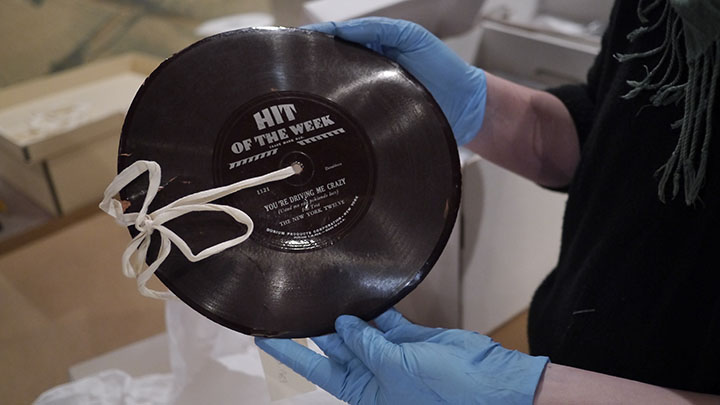
For much of last week Stephanie Bailey from the Exploratorium in San Francisco has been at the museum picking out objects for the exhibit that will be also featuring my suitcase photographs. I went out to Rotterdam on Saturday to meet her and help out a bit. Karen Miller and Craig Williams were there as well. Details are mostly in place, and while there isn’t much information available on the web as of yet, the title of the exhibit is “The Changing Face of What is Normal”. In addition to my photos, there will be a number of Karen’s poems and around 15 of the suitcases themselves. I have seen the design for the display and it is going to be amazing. It will open on the 17th of April when the new Exploratorium itself opens in the Embarcadero on (I think) Pier 15. I will be there for the opening which should be a huge event. At some point in mid May I’ll come back out for some programming to do with the exhibit. And we are hoping to set up an “artists talk” sometime in the Autumn.

Some of the cases that are traveling to the exhibit were new to me and it was nice to see more of the possessions of the patients.

Madeline was a French teacher before she came to Willard. This is a very beautiful copy of an illustrated Petit Larousse.
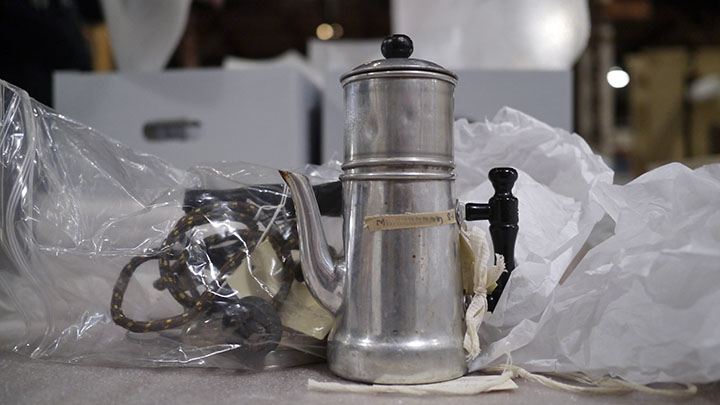
Her little coffee pot is nice too. / It is amazing to me that some of the personal possessions of Willard patients will be shipped all the way across the country to be seen by a huge number of people. As I have tried to handle the objects with great care when photographing them, the Exploratorium is showing great sensitivity in the way they are preparing the exhibit. I really think it is going to be amazing. As I know more about the timing of things over the next few months, I will post updates. This will be an incredible and rare opportunity to see the cases up close. The exhibit will run for at least six months, and we are hoping to have it extended for a full year.
Willard Suitcases Update
Since Hunter’s “Collector’s Weekly” interview with me came out earlier this week, a lot of attention has been drawn to the suitcases project. He did such a great job capturing my voice and I am really grateful for his interest. It has suddenly opened up some very interesting new doors, and has driven a ton of traffic to this blog. Occasionally when people come here expecting to see suitcase photos, they see my other posts and get confused. It has been intentional on my part to mix up the suitcase updates with my other stuff because I want visitors to get an idea of who I am as a person and a photographer. But when someone comes here looking for Willard suitcases and sees a picture of my dog in the back of the car, they might be thinking something along the lines of WTF (as the kids say). I have been giving this a good think, and here’s my solution. I still want everyone to see everything, but to make it easier on people I will link to some of the earlier updates. So here we go: Dmytre, Frank, Flora, and some earlier ones: Charles, and the first one I ever shot which explains the genesis of the project, Frieda. For those of you new visitors who are adventurous and have some time on your hands, just click on the archive links to the right and wander around a bit.
I have received so many notes from people saying that they came to this site to look at the suitcases but were excited by what else they saw. And I want to thank you all for being interested in my work and my life.
Here’s a link that my friend Tom Bollier sent to me earlier today when it popped up on his Google reader. I had no idea that this was being done, but she did a nice job. More news to come soon, I hope.
Suitcases

On Monday I shot the last of the Willard suitcases for a while. I hope to use the rest of this month to begin editing the images for the Exploratorium exhibit, and knowing how my brain works I knew I couldn’t attempt to edit while I was still shooting. I was surprisingly emotional about the whole thing; an important part of the project ended and I am not sure when it might resume. It is also significant to me that it marks the end of the Kickstarter phase of this work. So some thank you’s are in order. I could NEVER have gotten this far without Kickstarter and the incredible support of the almost 700 people who backed me. Thanks to Alex Ross for the long term “loan” of his lights and soft boxes. He is a true friend. Craig Williams and the New York State Museum gave me access to the cases and Craig’s support was instrumental in keeping it all moving along. And Peggy Ross kept me organized. Without her help in unwrapping, setting up the shots, helping me see things I would have missed, and putting the objects back where they belong I would never have made it through as many of the cases as I did.
I will work on a post later today showing the last case in the queue, as it were. It was a great one to end on.
Willard Suitcase #17

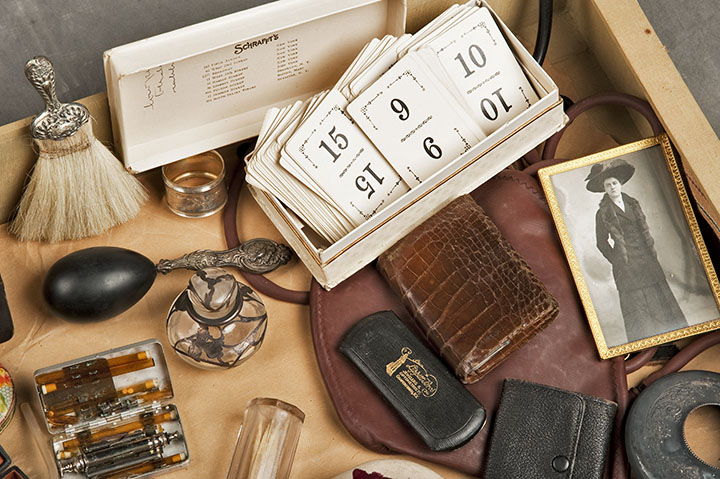
I am working very hard to keep up with shooting the suitcases, which is slowing down my ability to post updates here. This case belonged to Flora T.
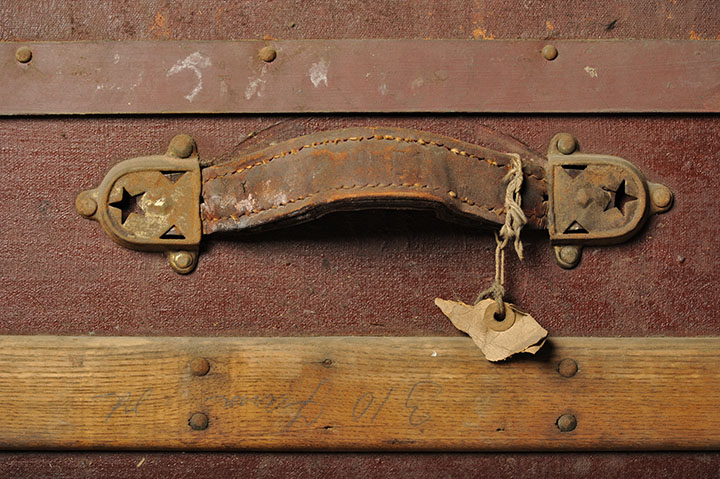
There are a lot of nice details on the case itself. Just handles and clasps could be an entire chapter in a book.

And those of you who have been following the project for a while know my fondness for tags and labels.

This trunk has three distinct levels. There are two removable sections and below them, the main compartment.

Flora clearly liked to sew.

I would be interested to find out what this particular item was used for. I assume spools of thread went on the posts, but other than that I am lost.
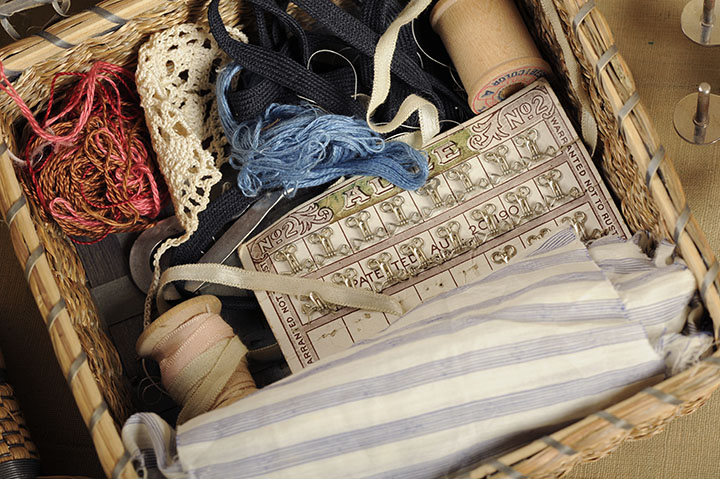
These small sewing boxes are always interesting and so personal.

I like the little flour pin in this container.
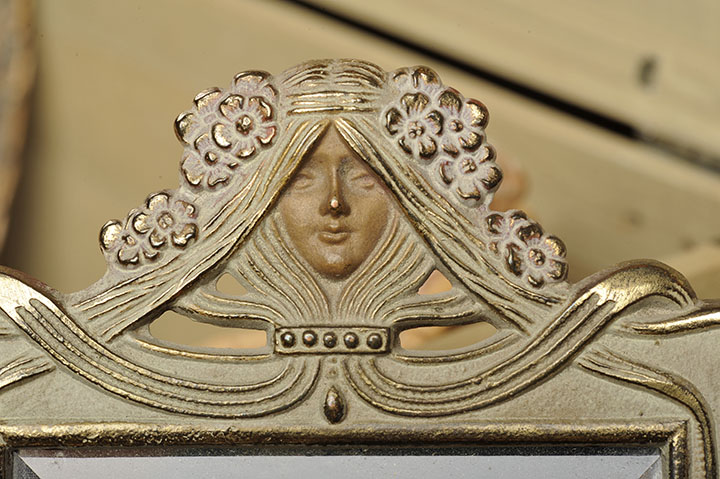
The top of this mirror has an interesting design.
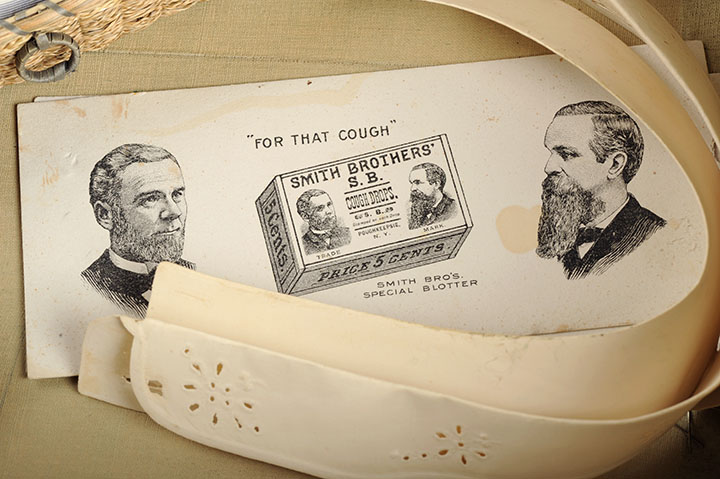
This was the first I had come across detachable collars for a woman, although I would guess they would have been common for the time.
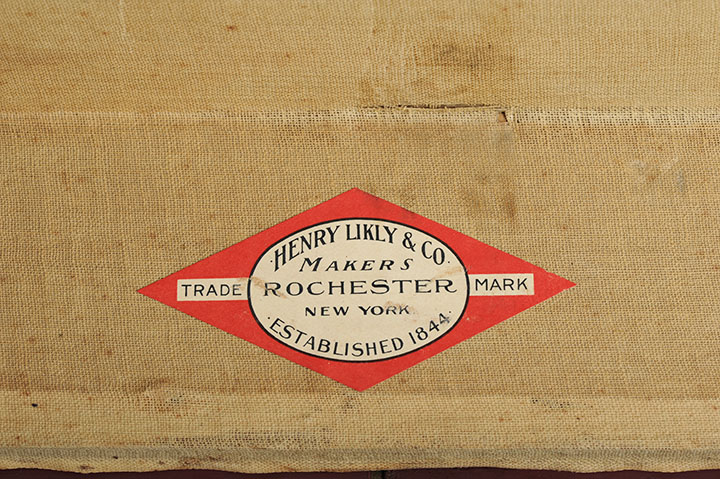
I wonder how long Henry Likly & Co. produced trunks. As you can see in the opening photo it is quite beautifully made.
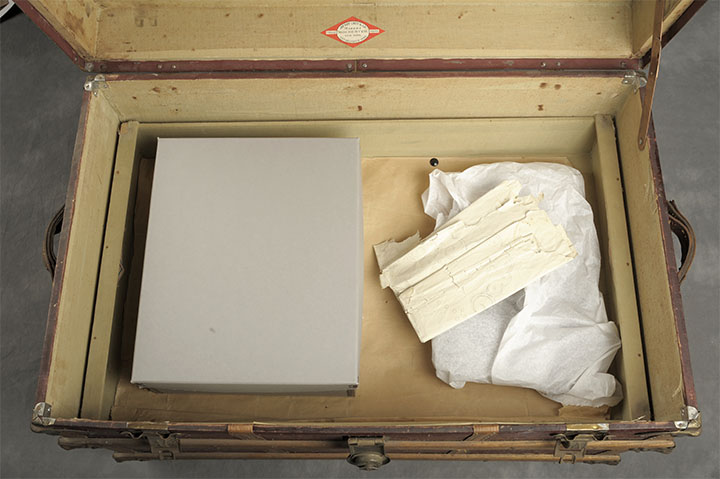
It is at this level where things get interesting.
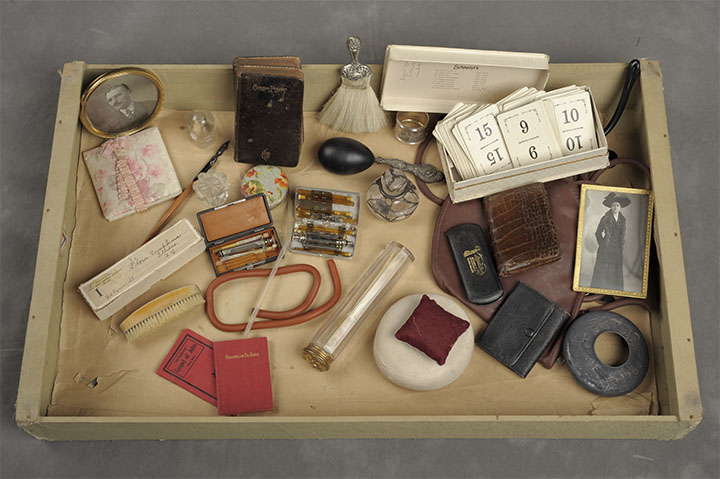
Before Willard, Flora was a nurse and was over 100 years old when she died there.
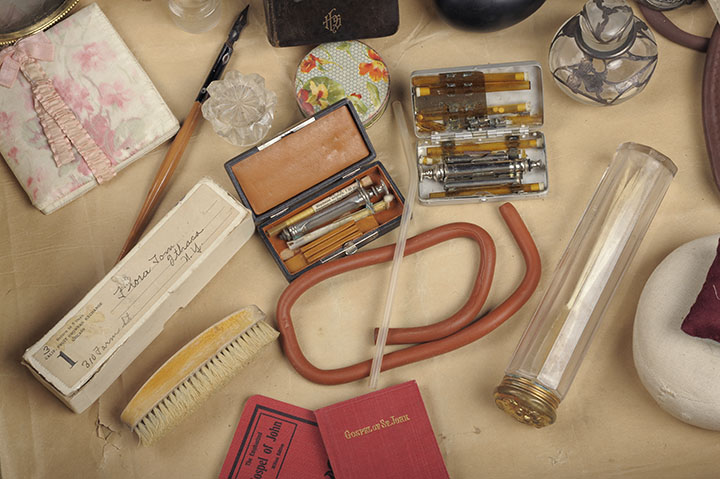
But I am not sure about her use of injectable strychnine sulfate. I looked around the net for information as to its use, but didn’t have much luck. At some dosages it could be used as an anti-convulsant, so it is possible she had epilepsy.
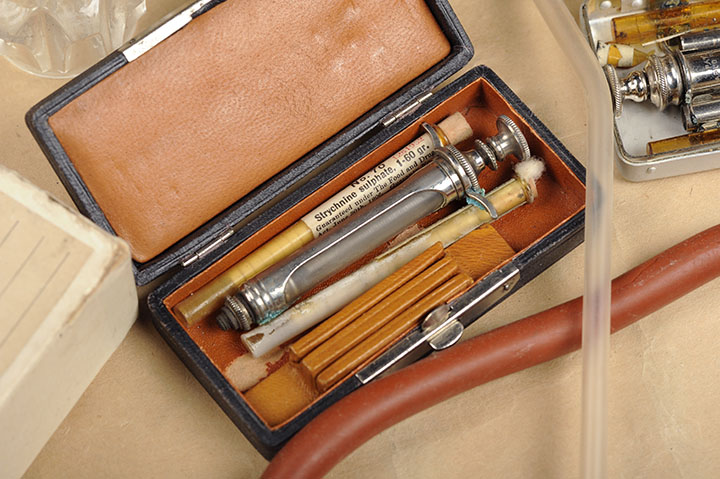
Again, I just don’t have any words to describe seeing and photographing these objects.
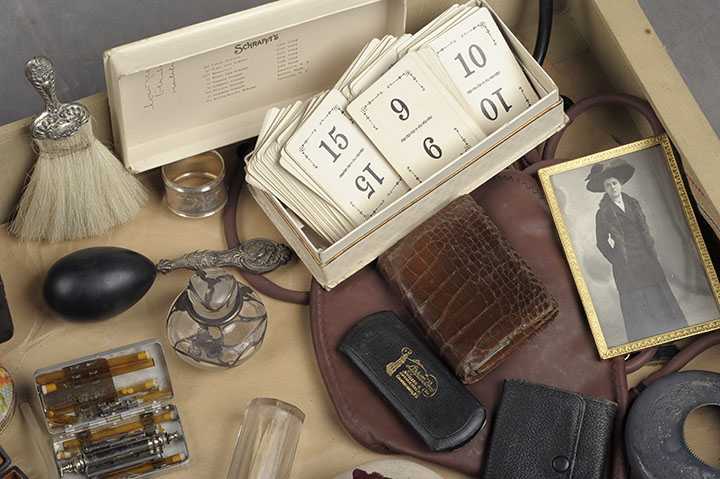
I try to be informative and provide some context, but ultimately the photos pretty much speak for themselves.
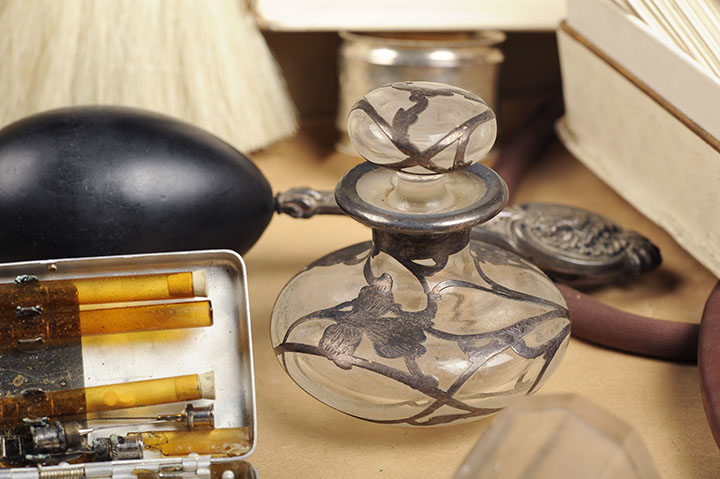
The case also contains many letters and some amazing photographs which help to fill in some idea of her personality. I’ll try to get to those in part two. As usual, thanks for all the continued support and encouragement. This project has turned into a huge undertaking, but is so incredibly satisfying.
 Jon Crispin's Notebook
7 comments