Willard Suitcase #19, Dmytre

I happen to know more about Dmytre than most of the other suitcase owners as he was one of the featured folks in the original exhibition at the New York State Museum. This photo shows him at the institution with one of his paintings. He was quite an artist. In the early 1950s he was committed to Syracuse Psychopathic Hospital and in 1953 was sent to Willard. He was there until 1977 and was discharged to a county home. Dmytre died in 2000. Many of his paintings hung on office walls at Willard until it closed in the 1990s.

I like the looks of this case.
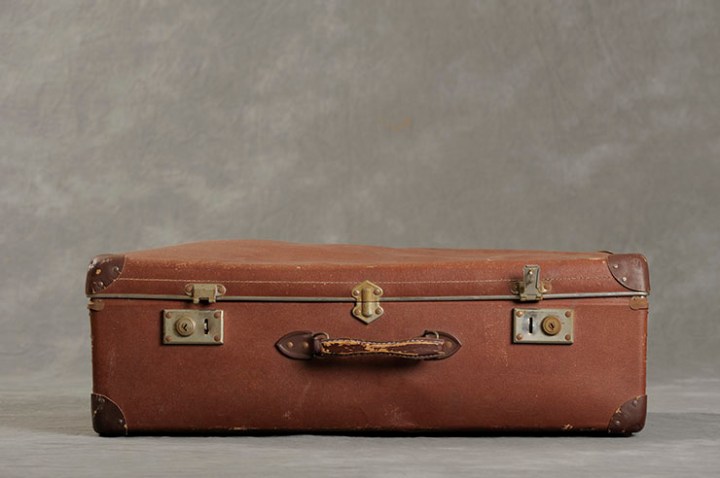
It has a solid feel to it even though it is a bit beat up.

As usual, I have had to obscure the last part of his surname, but you can see by the tags that he arrived at Willard in May of 1953. I’m not sure why there are two dates on the tags.
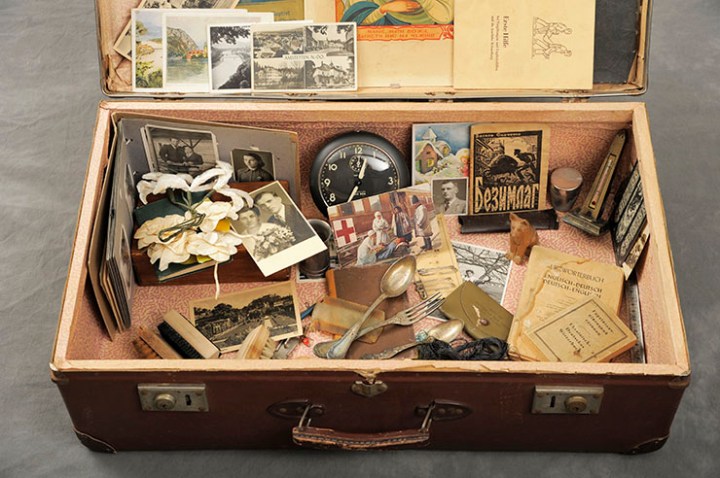
It was an interesting case to photograph, as the contents seemed so personal.

Dmytre was from Ukraine and spoke English with a heavy accent, which made his life difficult at times.

If you look closely you will note that the flower piece in the case is the same one that the woman in the photograph is holding.
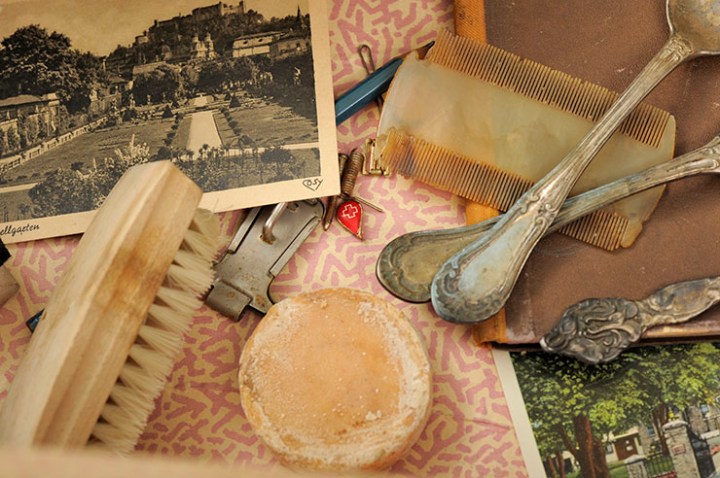
I have always had a thing for small lapel pins, and this little Red Cross one is beautiful.
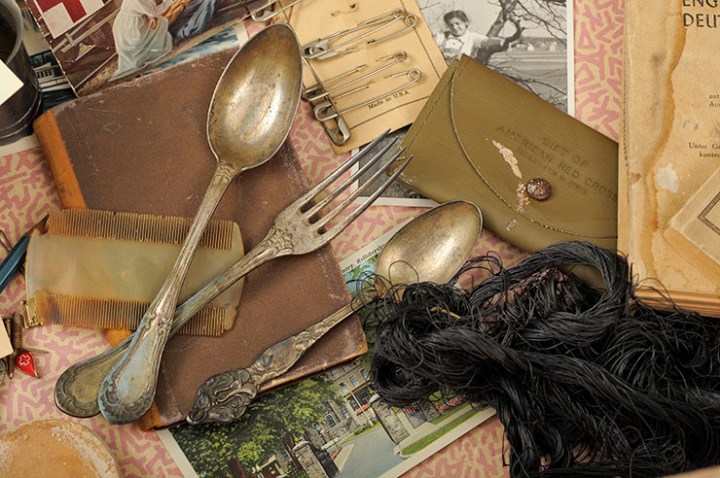
The above photo should be familiar to my Kickstarter backers as it was one of the reward options.

The Washington, DC thermometer is touching as Dmytre’s problems started in that city when on a visit there in 1952 he claimed to be married to Margaret Truman and was detained by the Secret Service.
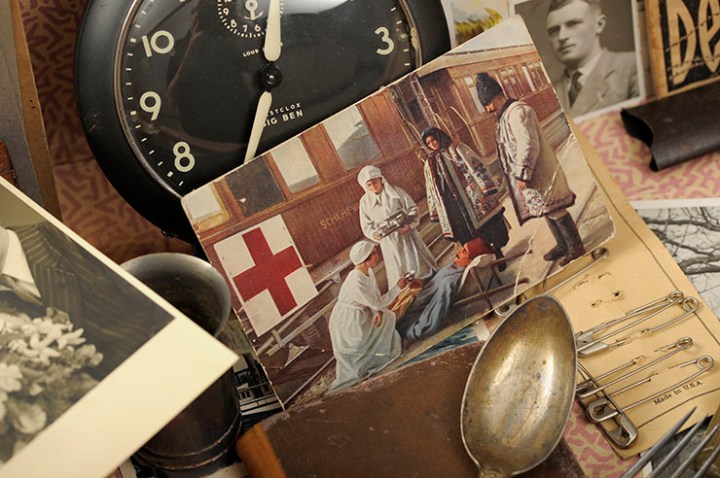
This postcard is amazing. Somewhere I made a note as to what it said on the back, but I’ll need to dig up that information.
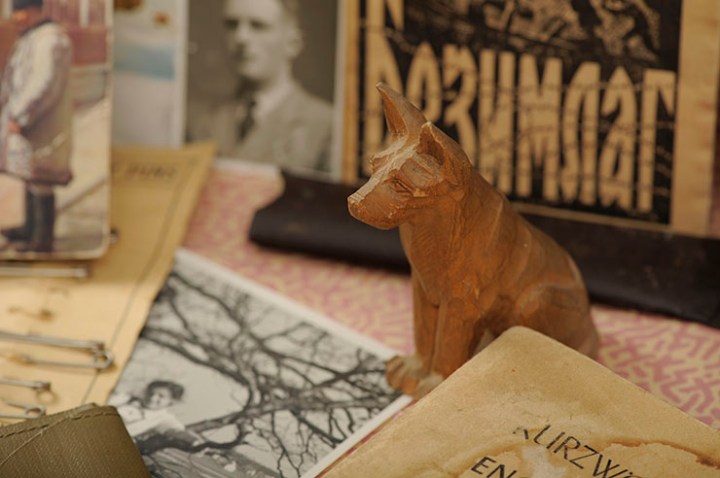
Here’s another of the many small wooden dogs that are in the collection. I wonder if he carved it.
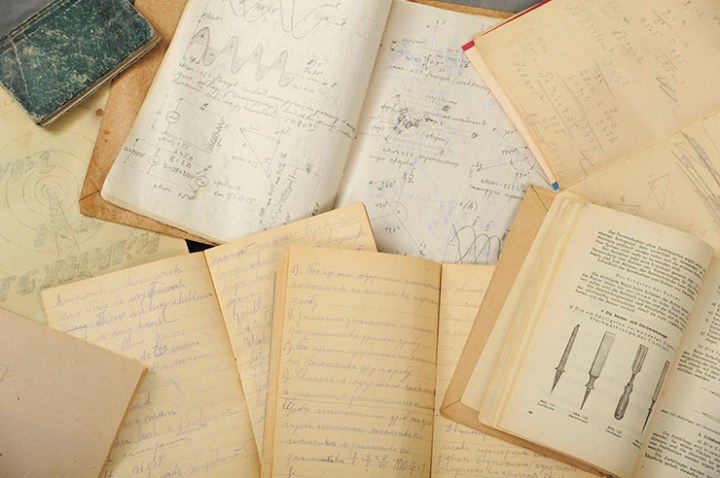
There were a lot of hand-written notebooks and science related texts in the case. He was clearly a very bright and creative fellow.

And one large manilla envelope contained these cutouts which look to be plans for building models and other small craft objects.
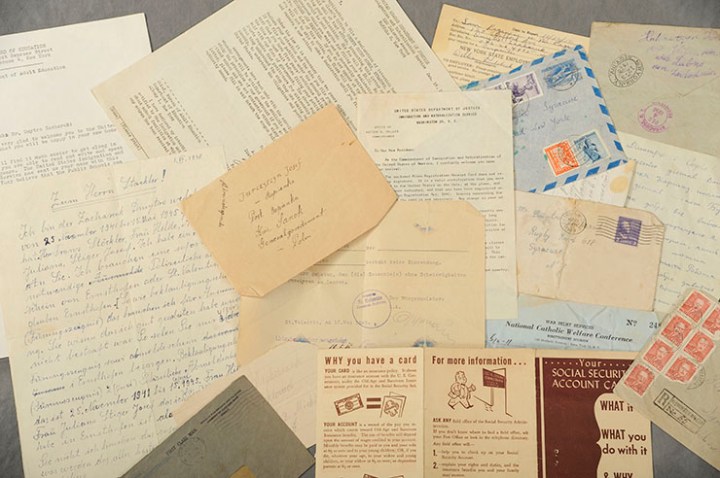
And lastly, here are some personal correspondences and a brochure on Social Security.
I hadn’t planned on doing a post just now, but I wanted to mention that this case is on it way to Baltimore to the American Visionary Art Museum for some sort of exhibit. I went to their website, but was not able to figure out when it will be featured. Anyone in the mid-Atlantic who is interested in seeing one of the actual cases and its contents should check with them.
Thanks for all your interest and continued support. I also wanted to mention that Peg Ross, who has helped me so much on this project came over to my studio today to help out with editing the photos for the Exploratorium exhibit. I really appreciate all her insight and encouragement.
Willard Suitcase #18

As I mentioned in my earlier post, I have completed the initial shooting portion of the project. These cases belonged to Frank C.
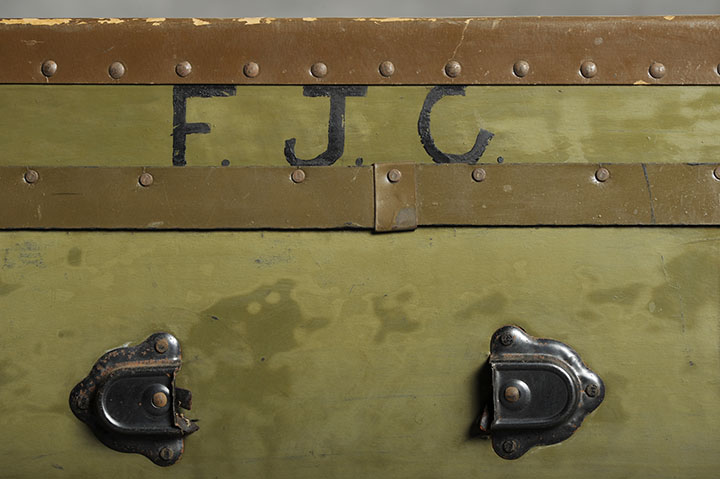
This foot locker was not wrapped in the usual way. I am guessing it was a bit too large.

Frank was a pretty interesting guy. I know a bit more about him than some of the others.

His two cases contained an interesting mix of practical items and remnants of his military life.

Again, I have had to obscure his surname for legal reasons.

Many items referenced the fact that he lived in Brooklyn for much of his adult life.

I am always interested in the ephemeral aspects of the possessions of the Willard residents. It is always a bit frustrating to have so little time to look through the printed materials. I could easily get lost in the War Department’s Basic Field Manual.

So many cool shipping tags.
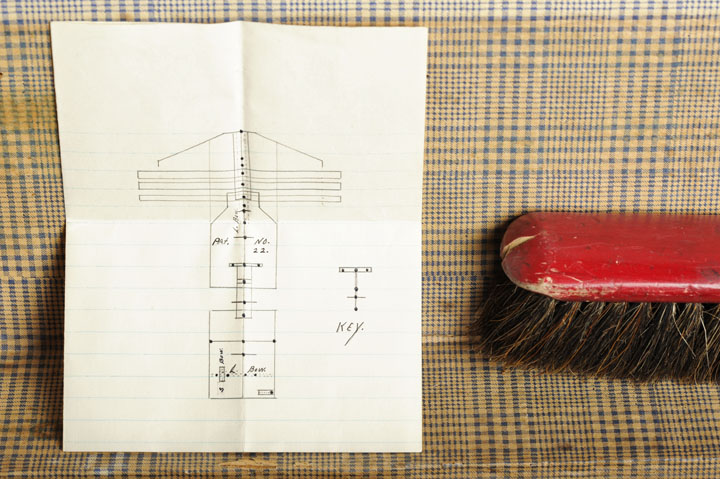
I wonder what sort of idea this sketch reflects. It was the only drawing of this sort in the case.

The rubber stamp is interesting, and the blue box contained some kind of laxative. I’m pretty sure it was Ex-Lax.
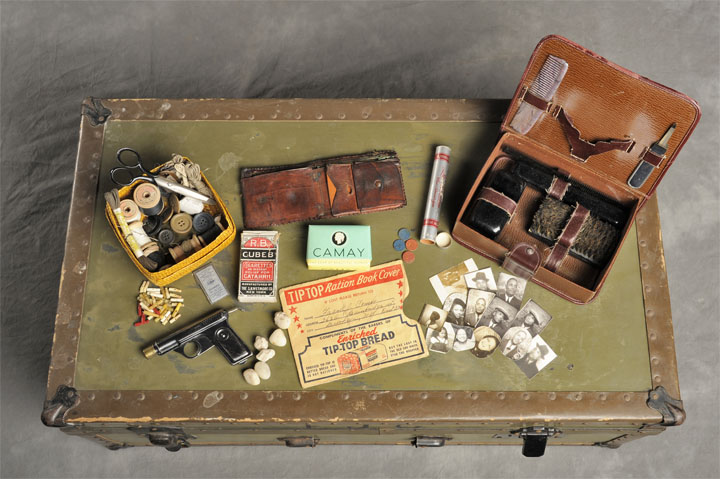
There were several layers to this trunk. The above items were from a shelf that sat inside the case covering up the contents on the bottom.

I tend to not think much about the practical aspects of life during war time, like rationing. It is good to reminded of such things. It makes me realize how little we are asked to sacrifice in the face of what’s going on in our world.

This gun was a toy. I have no idea what the plastic items above it are. Someone out there must know.

Frank had a lot of these small photo booth pics. There are more in his other case which you can see below. He was a very handsome gentleman.
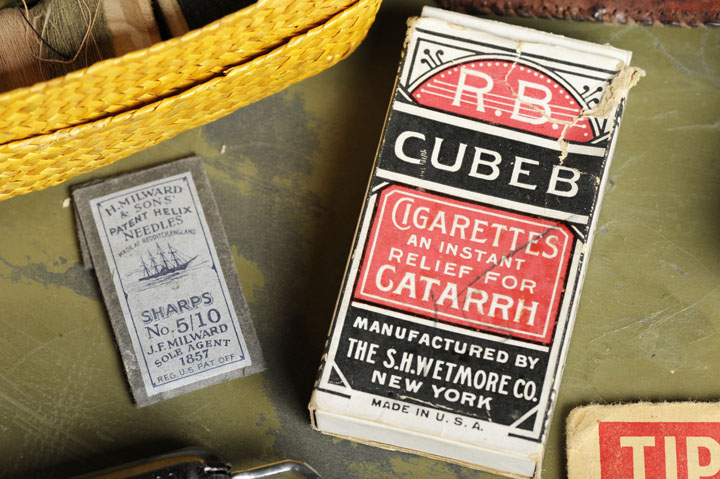
Ok, I am about to look up “catarrh”.
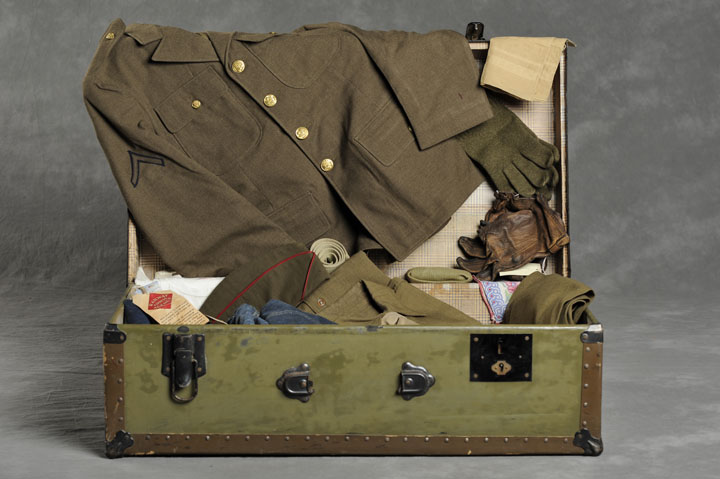
Frank’s military clothing was in amazing condition. No moth holes; each item looked almost new.

The underwear was especially pristine. So even though there is clear evidence that he served in the Army there isn’t much sign of wear on his uniform.

Clothing always presents the biggest challenge for me to shoot. To the point where I really grumble a bit when a case contains lots of it (Ask Peg). I always try to avoid over arranging the objects and the clothes present a problem that I am not too skilled at solving. It is why I shoot lots of details. This tie was tied when we came to this shirt.
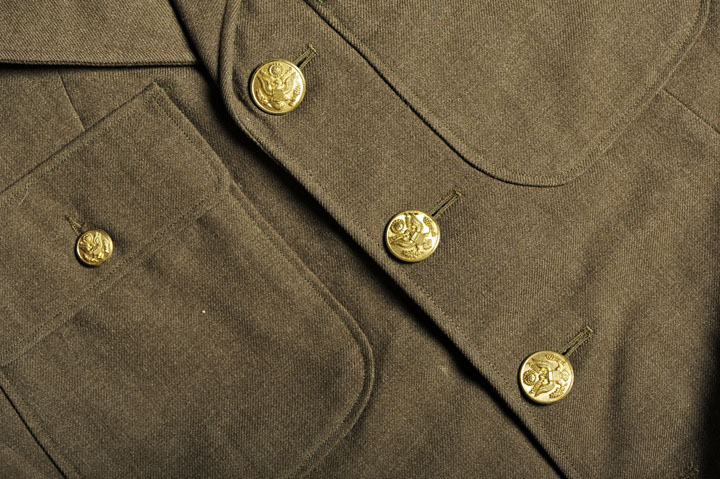
Buttons. (Is is obvious I’m running out of things to say? It usually happens with these post with tons of pictures. Sorry.
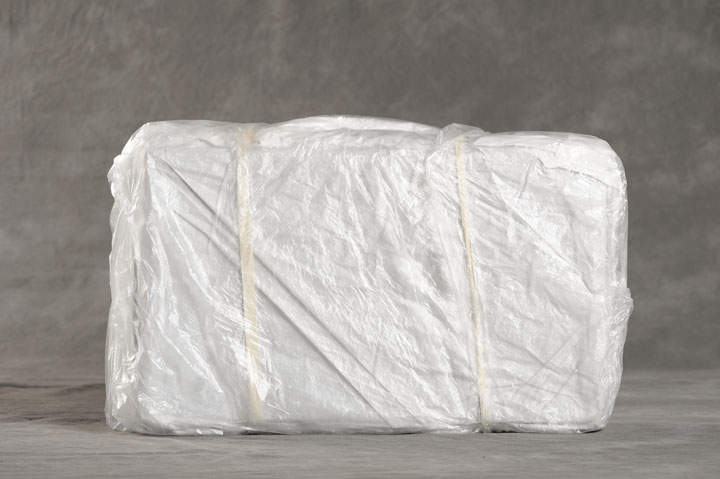
Here’s Frank’s other case from the collection.

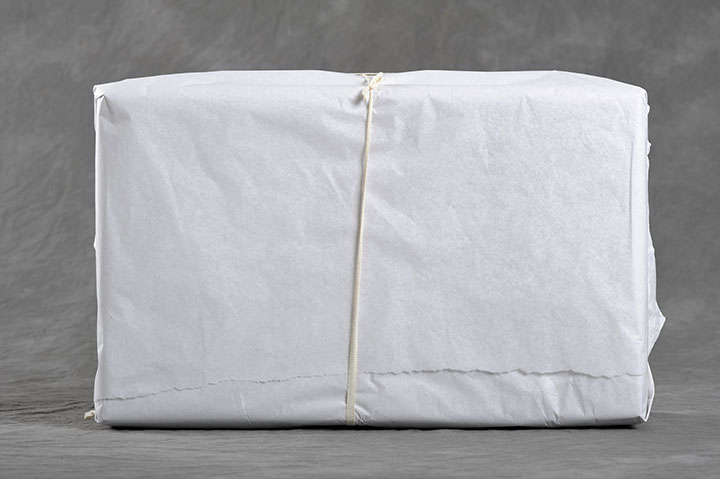
Since I have been shooting some of the larger trunks that are not wrapped, I have been missing the materials used to preserve the smaller cases. It was nice to see the cotton string again.

There were more clothes in this case including these bathing trunks and a brand new white cotton union suit that still had the label attached.

As well as several wooden coat hangars; this one from Max Moscowitz’s store.

Among my most favorite items are handkerchiefs, especially ones with art deco designs.
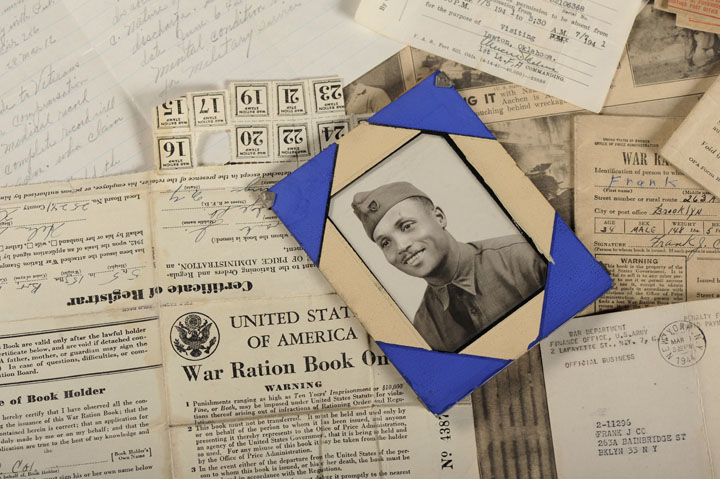
The remainder of the papers we found mostly relate to wartime issues.

The question of why all of these items were saved is mostly moot to me, as is the broader question of what was going on in his life before Willard. It is just so interesting to look at his possessions and build up some idea of his world (that may or not be at all accurate). And ultimately what I have figured out from this project is that each of us who views these remnants of his life can come to our own conclusions. He was a real person and people are complicated, so even those who knew Frank well didn’t have the whole story. Including the psychiatrists who treated him at Willard.

There were a couple of complete New York Daily News pages in his things. They must have been at the bottom of the larger trunk since there are no folds. I once spent a couple of days in Aachen and it is a beautiful little town

I’m runnin’ out of steam a bit, so I’ll wrap it up. Not sure if it is possible to read the letter on the left with the blue ink but it is from Frank’s sister and obviously came after a visit to his home in West Virginia.
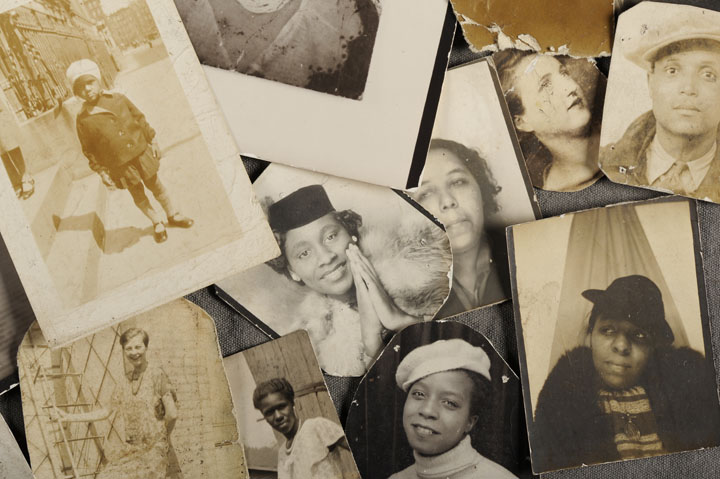
And finally, a few more pictures of some of the women in his life. So evocative and so beautiful.
So thanks for following and staying with me on this. I will no doubt post more as I work through the editing process, although probably not in as extensive a way as I have done here. Most of my energy will be spent on figuring out how to display the photographs for the Exploratorium exhibit, and then figuring out some way to publish a book. Cheers everyone, and thanks again for all your encouragement and support.
Willard Suitcase #17

I am working very hard to keep up with shooting the suitcases, which is slowing down my ability to post updates here. This case belonged to Flora T.
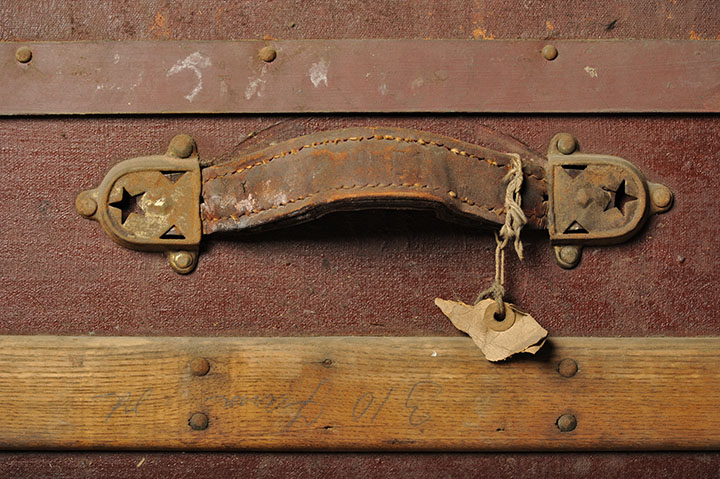
There are a lot of nice details on the case itself. Just handles and clasps could be an entire chapter in a book.

And those of you who have been following the project for a while know my fondness for tags and labels.

This trunk has three distinct levels. There are two removable sections and below them, the main compartment.

Flora clearly liked to sew.

I would be interested to find out what this particular item was used for. I assume spools of thread went on the posts, but other than that I am lost.
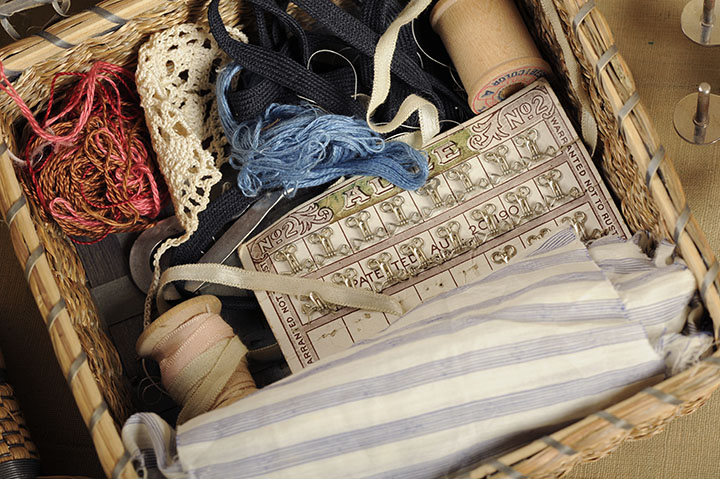
These small sewing boxes are always interesting and so personal.

I like the little flour pin in this container.
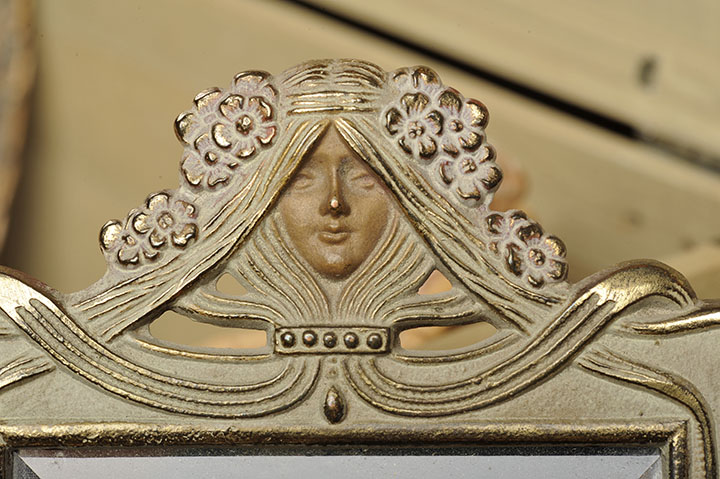
The top of this mirror has an interesting design.
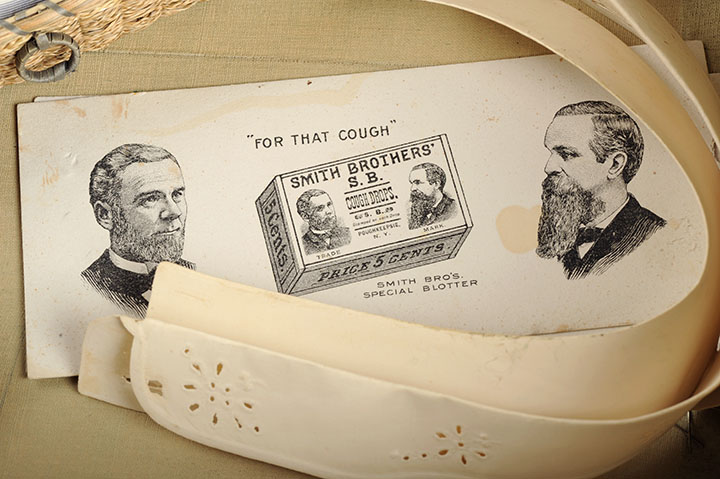
This was the first I had come across detachable collars for a woman, although I would guess they would have been common for the time.
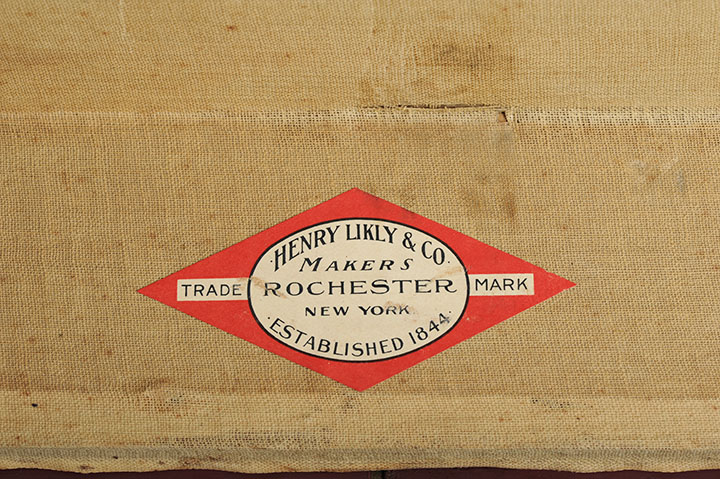
I wonder how long Henry Likly & Co. produced trunks. As you can see in the opening photo it is quite beautifully made.
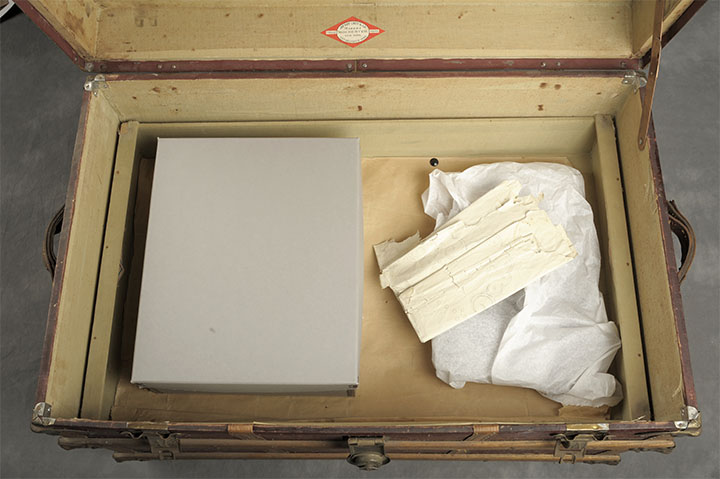
It is at this level where things get interesting.
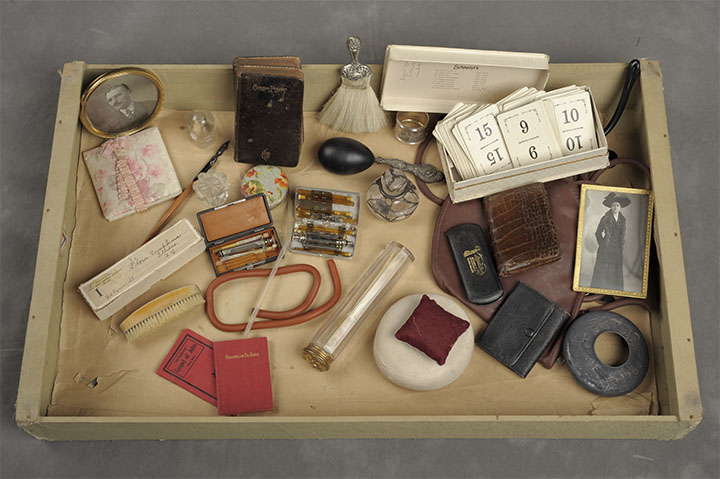
Before Willard, Flora was a nurse and was over 100 years old when she died there.
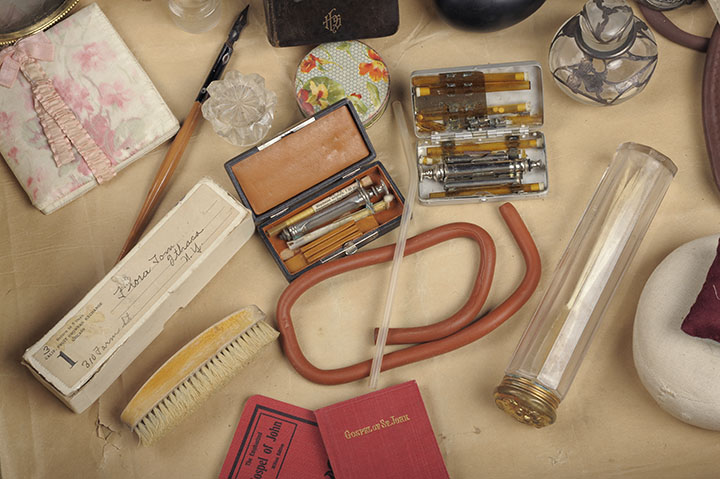
But I am not sure about her use of injectable strychnine sulfate. I looked around the net for information as to its use, but didn’t have much luck. At some dosages it could be used as an anti-convulsant, so it is possible she had epilepsy.
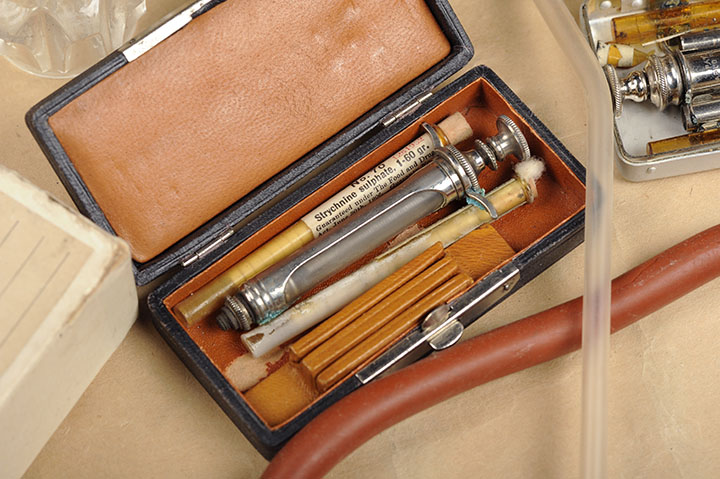
Again, I just don’t have any words to describe seeing and photographing these objects.
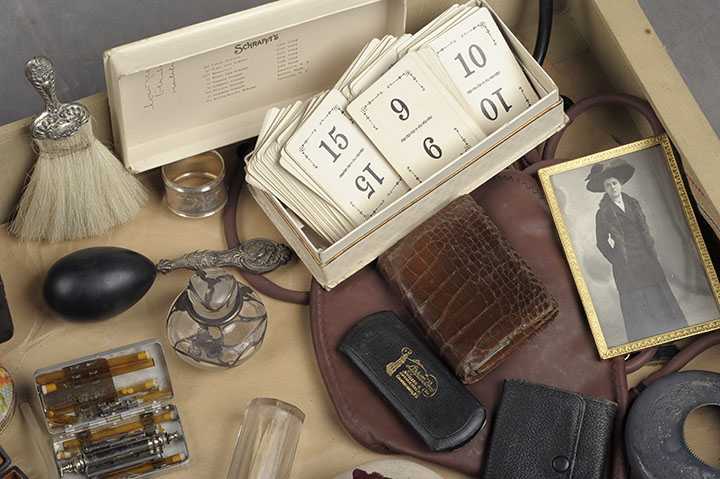
I try to be informative and provide some context, but ultimately the photos pretty much speak for themselves.
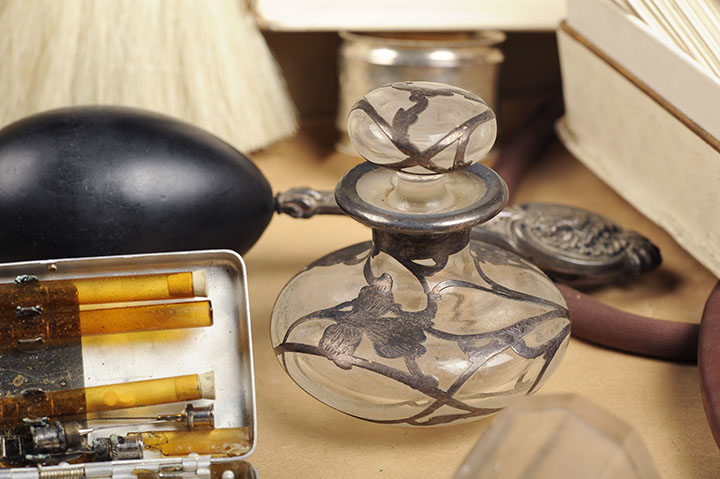
The case also contains many letters and some amazing photographs which help to fill in some idea of her personality. I’ll try to get to those in part two. As usual, thanks for all the continued support and encouragement. This project has turned into a huge undertaking, but is so incredibly satisfying.
Willard Suitcase #16 and News
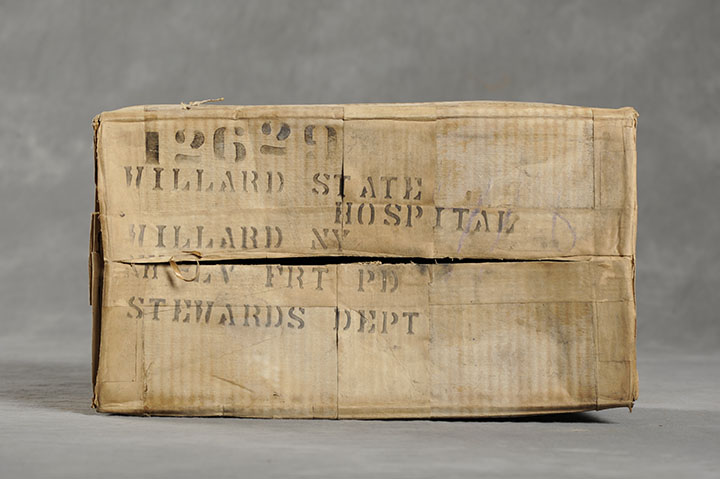
This is not a suitcase per se, but Henry L.’s possessions were in this cardboard box. As I continue this project, I occasionally come across different ways the museum has preserved the items. This box was not wrapped like the others, but was in an archival box of its own.

I was particularly moved by this box.
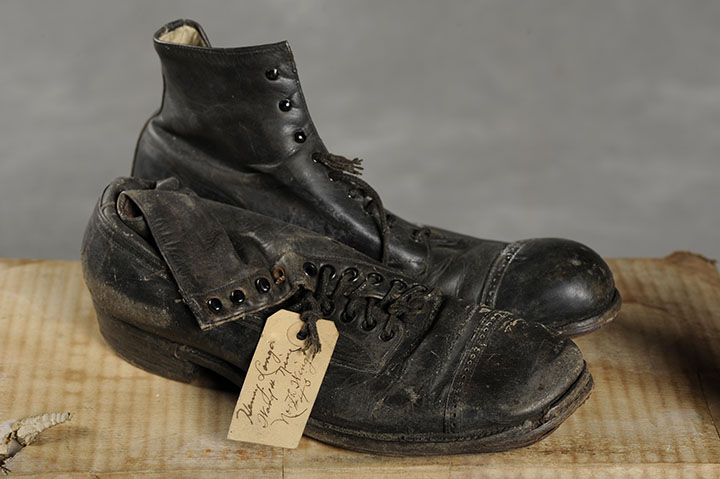
Sometimes I don’t know what to write about these remnants of someone’s life.

As usual, I have obscured his surname here.

The quality of the his artificial foot and leg was amazing. I am not sure when it was made as there was no date of Henry’s admission on the tag attached to the shoe.

The parts on the brace above were machined beautifully.
Thanks to you all for following the project. And now for some really great news. I have signed a contract with the Exploratorium in San Francisco to have a large number of the suitcase photos in an exhibit to be called “The Changing Face of What is Normal”. One third of the exhibit will deal with mental health issues and my work will be a part of that component. I am so excited and proud to be involved in this. There will be a formal opening on 19 April, 2013 in their new space at Pier 15 in the Embarcadero and it looks like I will be doing an artist’s talk a few days after that. My friend, the poet Karen Miller will also be involved. She has been working with many of the same cases and her poems are amazing and evocative. So I will look forward to seeing some of you next April in San Francisco. Again thanks for all the feedback and support.
Willard Suitcase #15
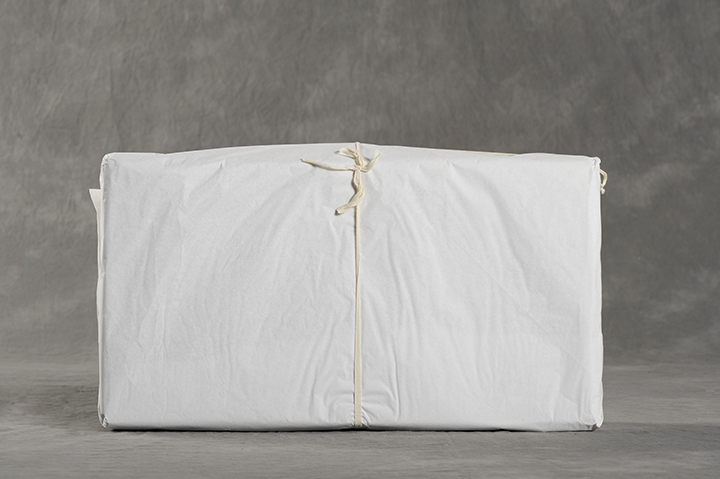
It has been too long since I have posted a suitcase here. I have been very busy shooting and have also been feeling a bit rushed about mailing out the rewards for the kickstarter backers. It has been a long and interesting process, and helps me feel the connection that I have with all of you who have supported the project.

This suitcase belonged to Thelma R.

She had a very interesting collection of items.
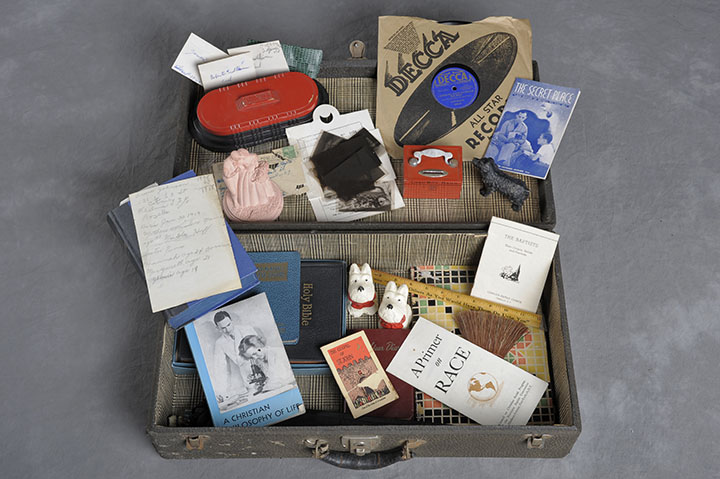
Many of them were of a religious nature.

I especially like to come across miniature dogs and Thelma had three. I really like the way these Scotties looked up at me while I was working.

There is usually one anomalous item in each case and in this one it was this small figurine. It didn’t seem to fit in with the rest of her things.
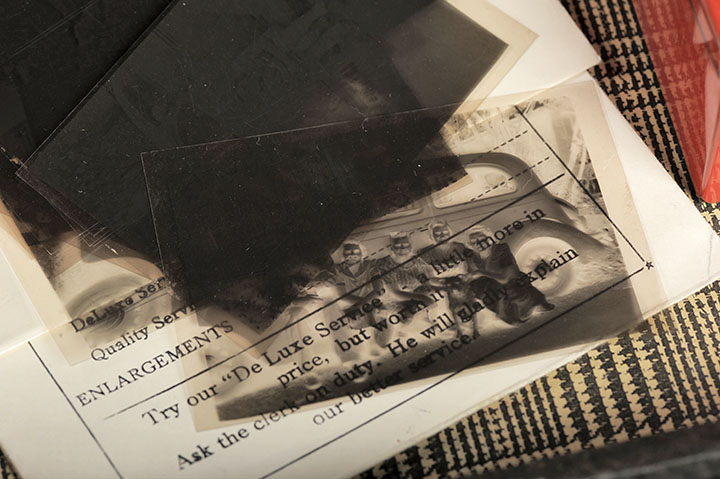
One of the envelopes was full of photographic negatives. There were no prints but most of the shots were of friends and I presume, family.
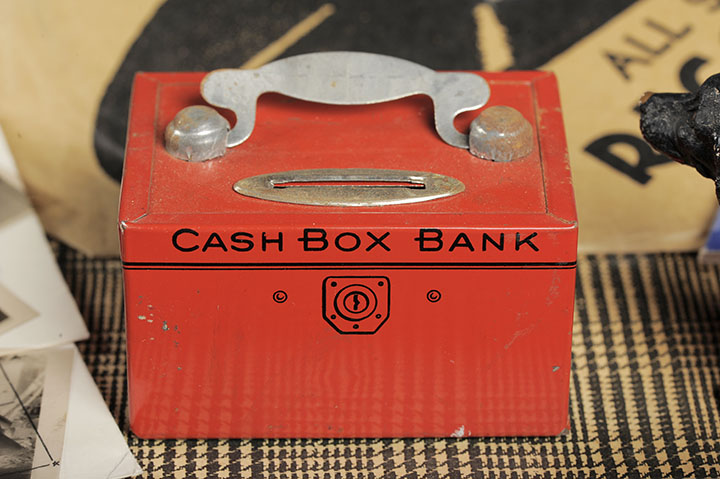
This is one of several small banks that I have seen. I like the lock painted on the front; the real access to the money was from the bottom.

I wasn’t sure what was contained in these envelopes as they were all sealed, but the word curl makes it a bit obvious. I held one up to my lights and it looked and felt like a lock of hair. Thelma’s surname was not Sullivan, but that name appeared in most of the papers and books in her suitcase.

This is the only recording that I have found in a suitcase. I really like the design of the label, and the record seemed in perfect condition.

I have obscured the last several letters of her name here. This piece of paper was in one of her notebooks, and tells a bit of a story about her origins.
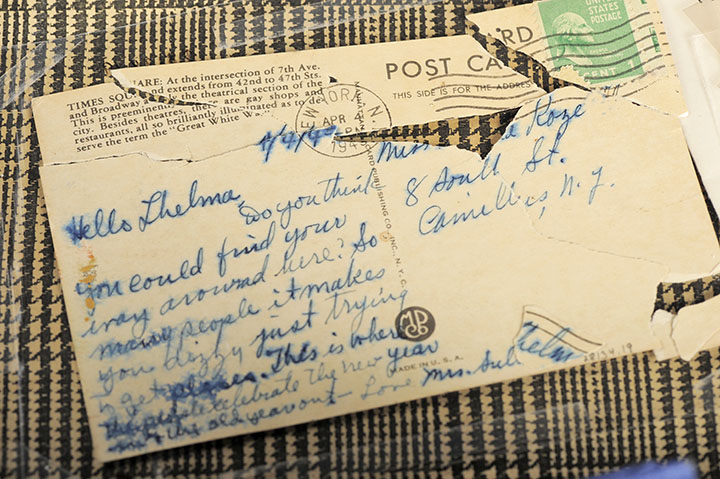
The post mark on this card looks to be 1943 or 1945. One of the labels in the case says that she came to Willard on 9 July, 1946, so she would have been in her early 20s when she received this.
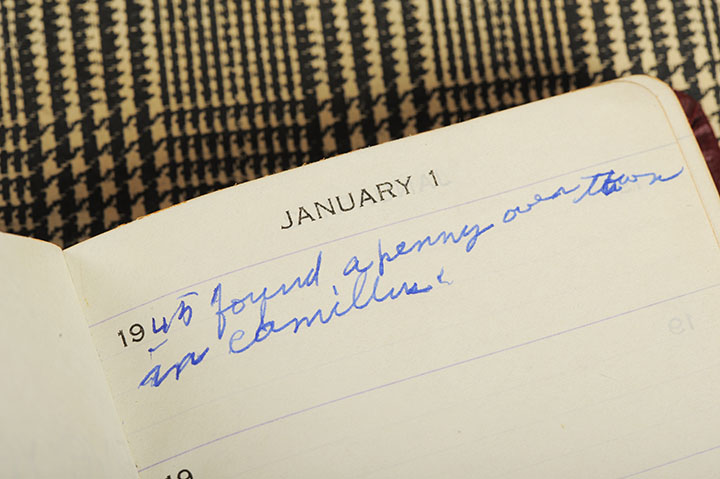
Many of the cases have day books or diaries, but in every instance but one, they all have only a few entries. On the first day of the new year Thelma found a penny in Camillus and wrote about it.
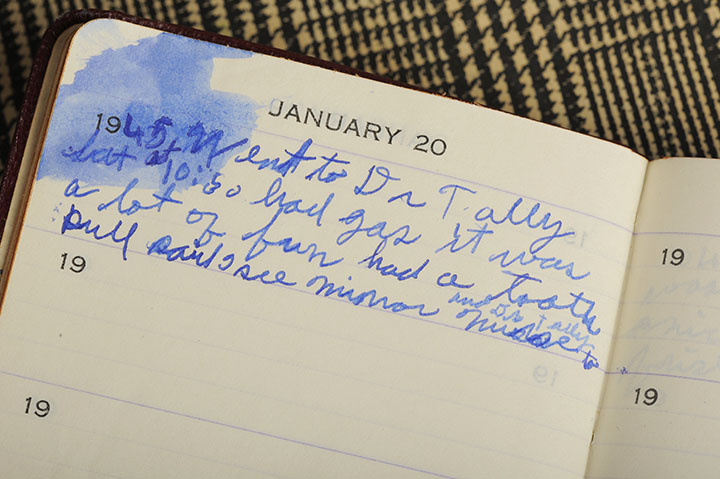
Her next comment came almost 3 weeks later, and only one more entry followed this one.
Thanks again to Craig Williams and the New York State Museum for granting me access to the suitcases, and thank you all for following this project.
Willard Suitcase #14

This case was very interesting to me on a lot of levels. It belonged to Peter L.
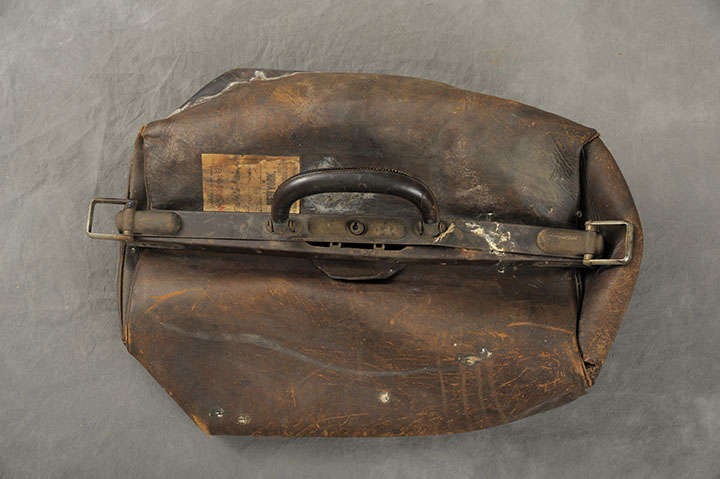
It was almost completely flattened and I decided to shoot it from above until Peg figured out how to have it stand up on its own.
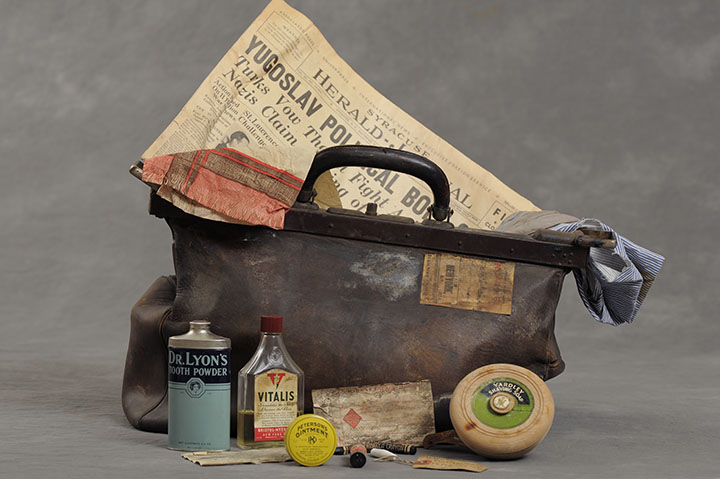
This type of bag has always been one of my favorites. I have one very similar to it that was given to me a long time ago by a friend.
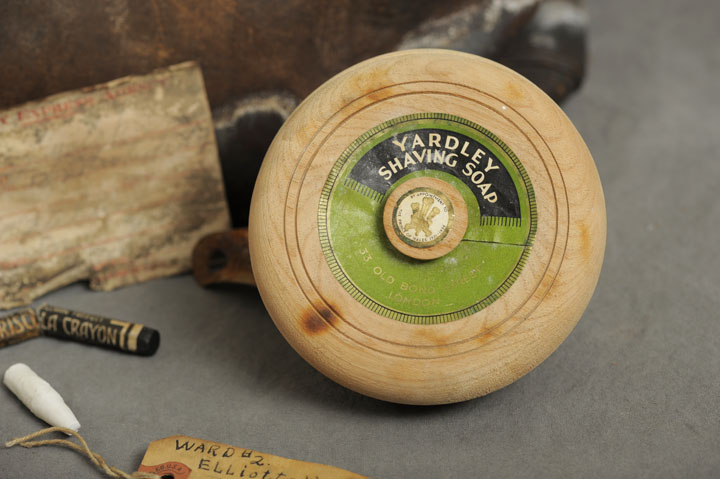
It looks like there is a burn from a cigarette on the wooden shaving soap box.
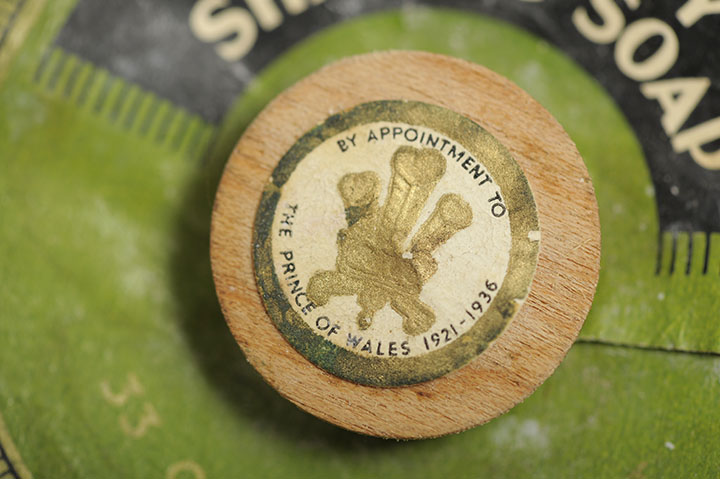
You see this color green often in the UK.

I found my self hoping that Peterson’s Ointment was indeed soothing to Peter L.

The small labels that the Willard staff affixed to the cases tells quite a bit about the patients.
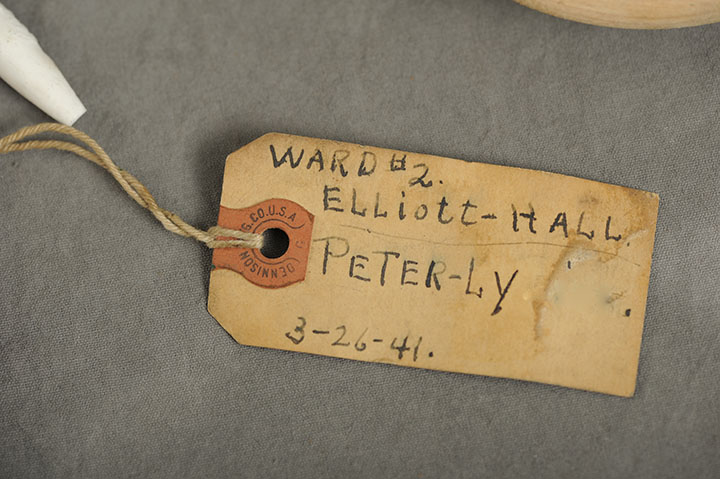
I have again obscured the last part of Peter’s name here. What is interesting about this tag is the date of his admission.
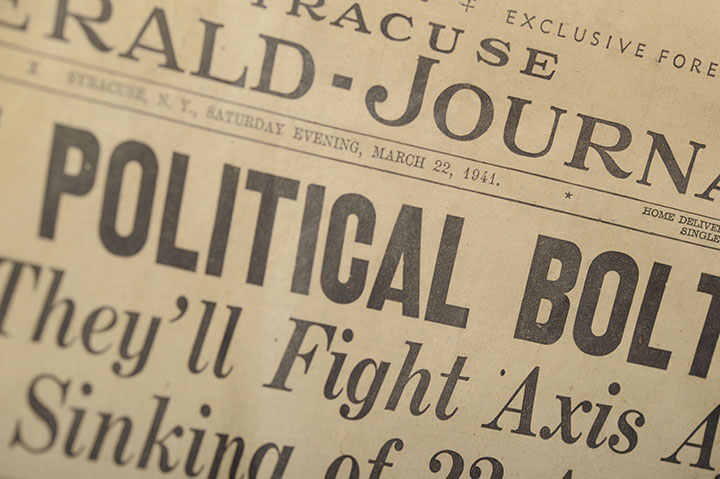
You can see by the date on this Syracuse Herald-Journal that he bought the paper just days before he arrived at Willard.

My mom’s name was Vera and my son’s name is Peter and when I see connections in these items I can’t help but to personalize this whole process. It is one of the reasons that I feel able to convey some sense of intimacy through the photographs.

It also helps to remember that while the individuals who owned the cases were experiencing monumental changes in their lives, the larger world around them was also in turmoil.
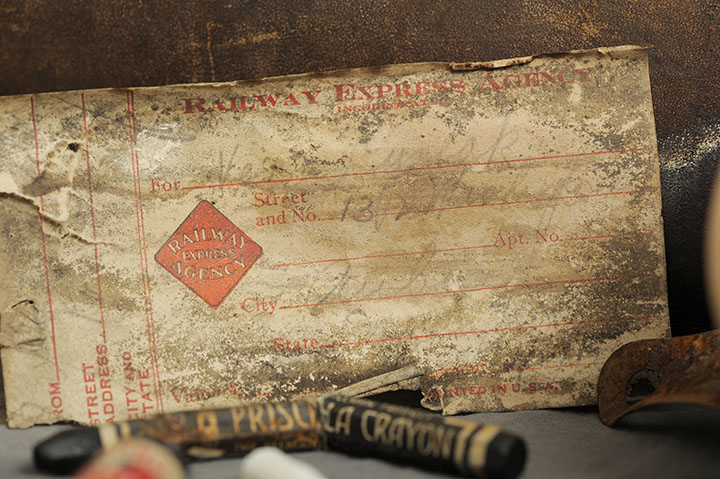
I will be in Albany Monday, Tuesday, and probably Friday. Early in the week I’ll be meeting with Dr. Karen Miller and a wonderful person from the West Coast museum that (fingers crossed) will be using some of this work in a major exhibit a year from now. As soon as details are finalized, I let everyone know what’s going on. And on Friday I’ll hope to shoot a bunch more cases.
Willard Suitcase #13
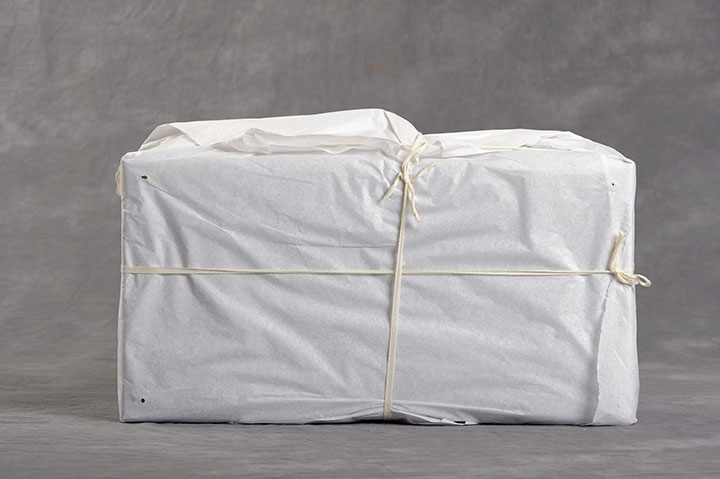
I have been spending a lot of time in Albany photographing the cases. I have been a bit overwhelmed lately and have had a hard time deciding what to post as an update. There is so much material and most of it is fascinating. I have been averaging at least one shoot a week, and it still feels that I have a long way to go.

Just as a case this one is nice. Very well made and quite stylish.
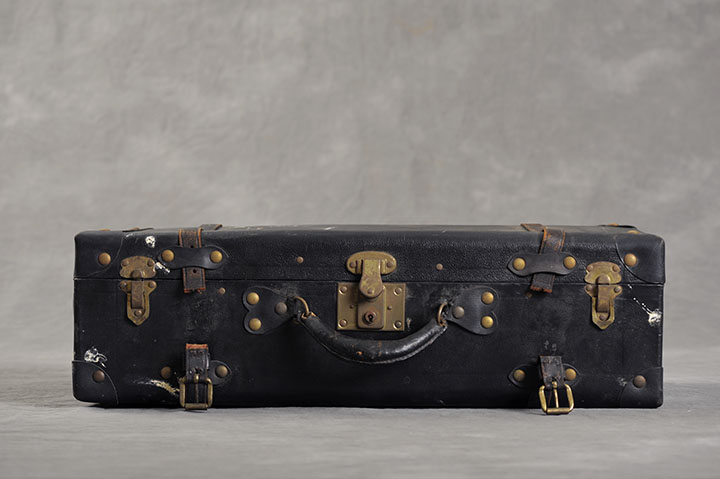
It belonged to Steffan K. (although his first name was spelled differently on some items. On one envelope from a druggest it was written as Steve.)
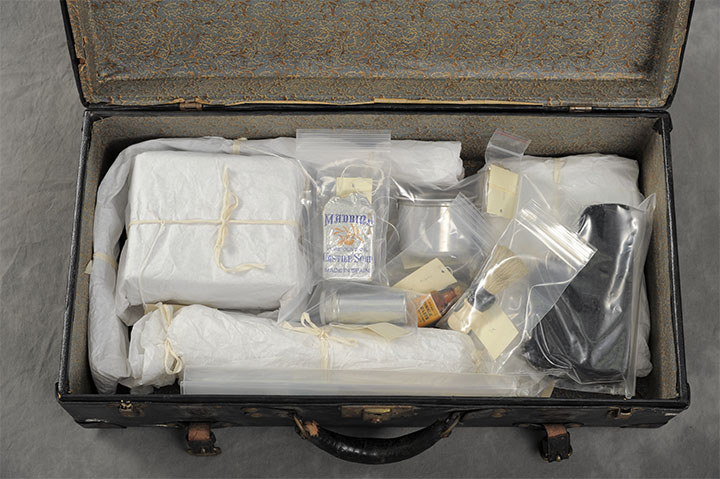
I especially appreciated the way that the staff wrapped and preserved the items.
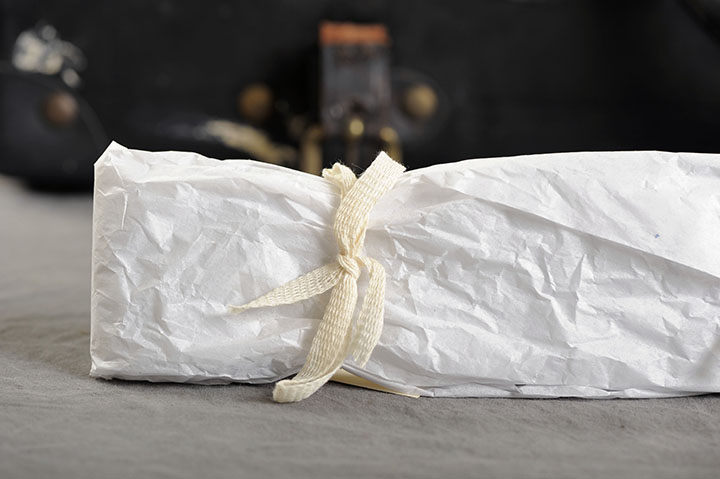
My interest in the wrappings and the bows has actually increased. The three women that did most of the work each had a different style. Sarah Jastremsky, Christine Allen, and Karen Chambers worked for months going through the cases cataloguing and then stabilizing each item. At some point I’ll get try to get together with them and find out who did what.
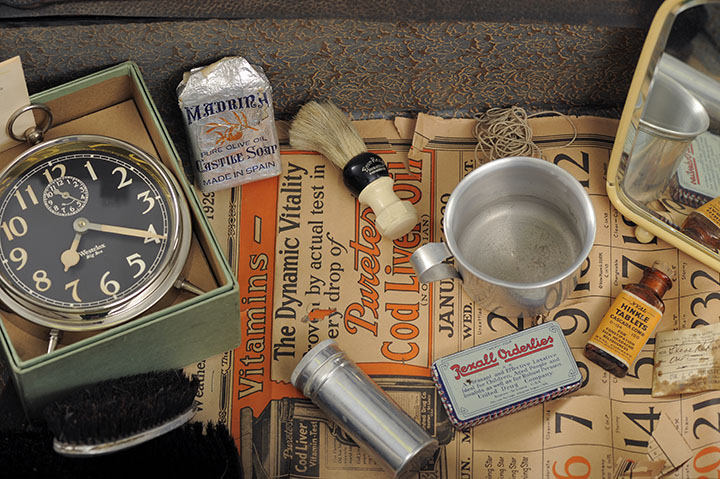
These items seem so personal to me. The calendar was from 1929.

I never intend to fetishize the items in the cases, but this clock just blew me away.

It is a very early example of a Westclox Big Ben. Steffan clearly brought it with him when he arrived at Willard, and my guess is that it never left the box. Both the box and the clock are in perfect condition. It just made me sad to think that it was packed to go to along with him and he might have never used it there.
As I spend more time with the suitcases and talk to people who worked at Willard, I am becoming quite convinced that the reason the cases were never thrown away is due to the fact that the employees developed close and lasting relationships to the patients. When they were discharged or died, the personal connection was so strong that it made it impossible to just toss them out. Anyway, that’s just my theory, and I know the whole issue of how the state chose to treat the mentally ill is a complicated one.
Thanks as usual to The New York State Museum, and especially Craig Williams for allowing me access to the cases and facilitating this project. And to Peggy Ross for her great help with the process of shooting and re-wrapping each case.
Oyster Bar
Sorry, it’s been a while. / I took the Metro North train from New Haven to New York on Friday. I could have taken Amtrak from Springfield, but it goes into Penn Station and I prefer Grand Central. I arranged to arrive with time to spare, so I had some Cotuits and a pan roast at the Oyster Bar. / Just after my Kickstarter page went up, Zoe Crossland from Columbia University contacted me about coming down to give a seminar on the Willard suitcases project. She connected me with Brian Boyd who set it all up, and at 5.30 I was sitting in a room with a great group of faculty and students from the anthropology and archeology departments. I was hoping for lots of feedback and dialogue and wasn’t disappointed. I showed selected photos from what I have done so far and we had a great discussion. / Had a very productive day at the museum last Thursday and will be back shooting in the next few days.
Willard Suitcase #12

This is Eleanor G’s large trunk. It is one of the few cases in the collection that is unwrapped. I have posted some of her other cases before. I have edited the photos in this post quite tightly; there are well over 20 that I will eventually use, but due to time and space limitations, I’ll show just a few.
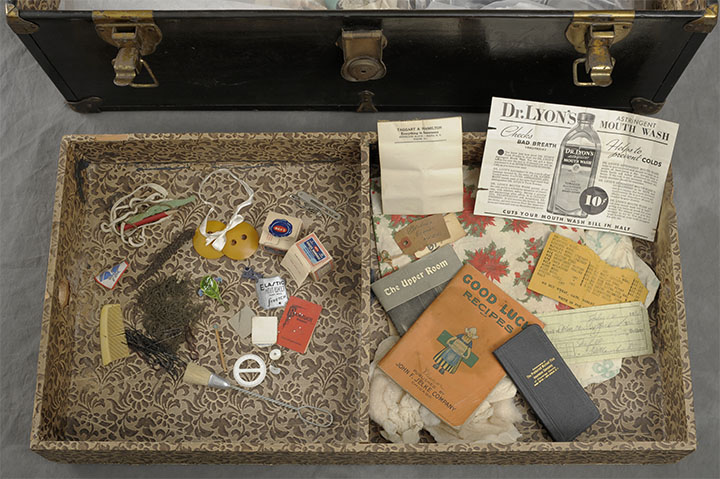
This is a classic footlocker design with a removable top shelf.
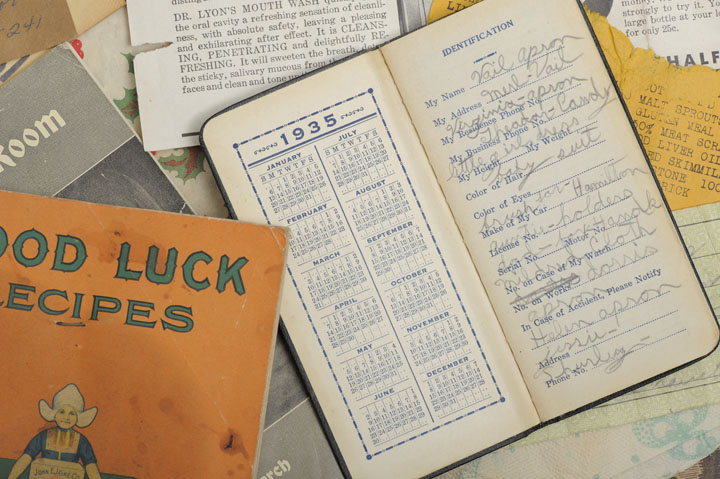
I think she used this calendar notebook as a Christmas or birthday book. You can read what seems like a list presents she either gave or wanted to give to people.

Eleanor sewed a lot. Here is a section of a pattern.
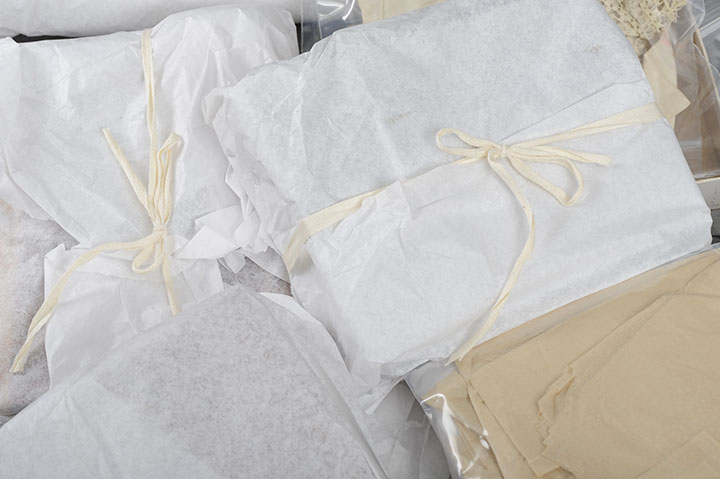
Above is some of the wrapping of the items in the bottom of the case.
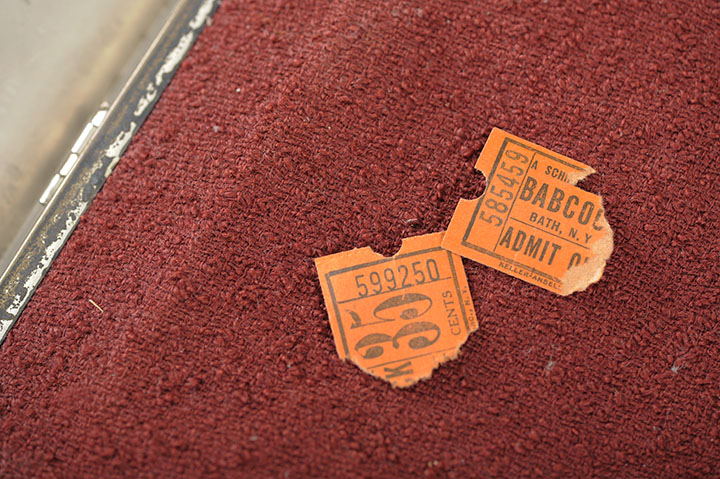
These two movie ticket stubs were the only things in this little red clutch purse.
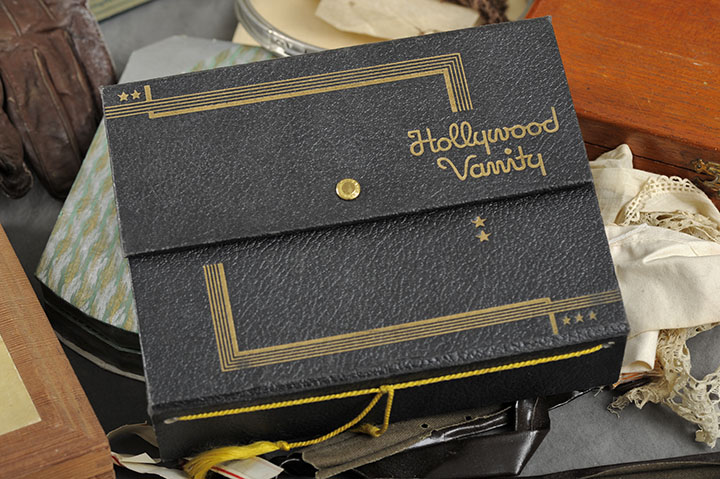
I like the design of this little vanity. The use of the stars is especially tasteful.

The little lavender fabric button below the pills is such a lovely color. These items were inside the vanity.

This is a closeup of a huge roll of wrapping paper that really got to me. I so wanted to take the outer seal off to look at a whole sheet, but it was taped on and I was worried about ruining it.
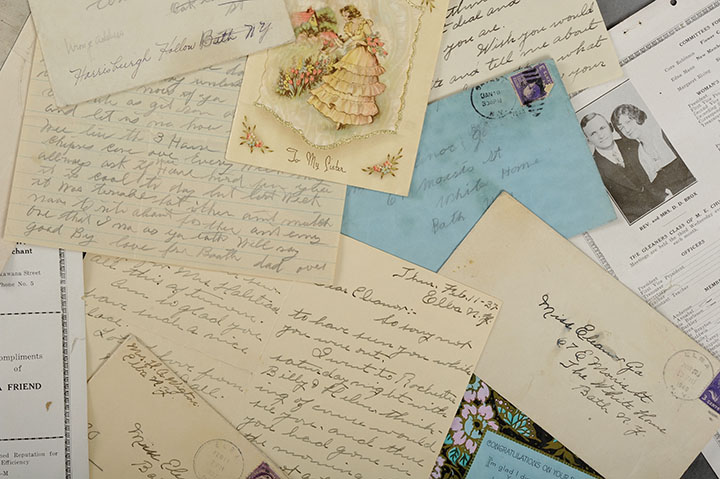
The bottom of the trunk was full of letters to Eleanor. She clearly had saved these from her life outside of Willard. At first I thought the address on the bottom right envelope said “White House”, but as I enlarged the writing, it looked more like “White Home”. I’m not sure if it was a residential facility or just an apartment house. (Early on in this project, an interesting fellow from somewhere out west was researching some of the materials and came up with some really cool historical links. Tom, if you are still following, I’d love to hear from you.)
I plan to be back at the museum on Thursday to shoot more cases. An tomorrow I will be at the recently closed Hudson River Psychiatric Center shooting some interiors. Thanks for following this project.
Willard Suitcase #11
This suitcase belonged to Floyd H. It is one of the many empty cases that are in the collection.

When I first started on this project, my plan was to shoot only cases that had something in them.
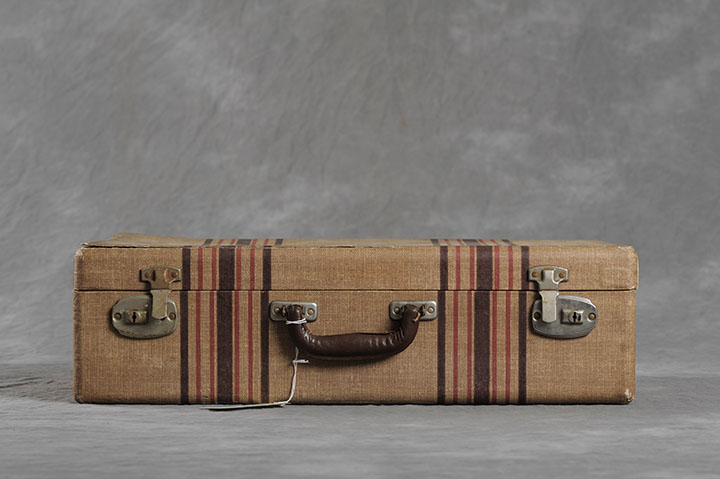
As the work has developed though, I am finding that there is a segment of my backers that are as interested in the cases themselves as the contents.

So I will make an attempt to include as many of these suitcases as I can, since even when empty they tell a lot about the people who owned them.

Floyd’s case did have this tag in it, and I believe it is the original from when he was admitted. I am still struggling with the name issue, and regretfully have made the decision to obscure his surname via photoshop. Aside from the legal issues, this causes a huge problem for me, as I don’t believe in manipulating the content of photographs. This opens a major can of worms, and I am guessing that I will get response from both sides of the issue, but as of now, I find it necessary. I will say though that as a rule, I never mess around with the content of these images, and only will do so when it comes down to the identification of the residents.
 Jon Crispin's Notebook
26 comments