Willard Suitcase #3
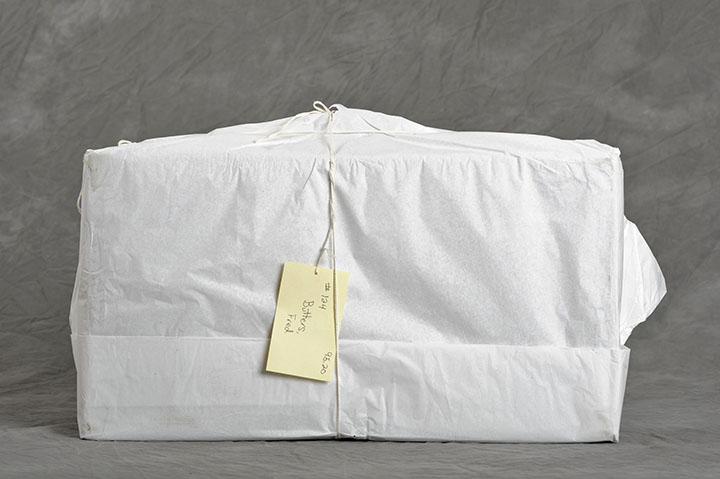
I was in Albany last Monday to shoot some more of the Willard suitcases. It was the day Peter Carroll was filming me for the Kickstarter video, so it was a bit different of an experience. I was comfortable when Peter was shooting me work, but as soon as he started interviewing me, I lost the plot. Sometimes it is hard to put into words what I am feeling about this project. The photos seem to speak for themselves and I have always expressed myself best through pictures and not words. Anyway, if you have seen the video here, you will understand what an amazing editor he is. He took my jumbled thoughts and made sense of them. Kickstarter emphasizes how important a short video is to getting funded, and I think it has really made a difference.
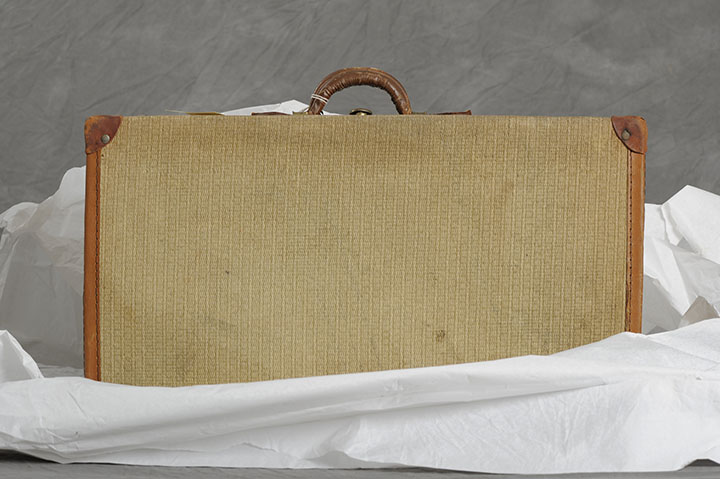
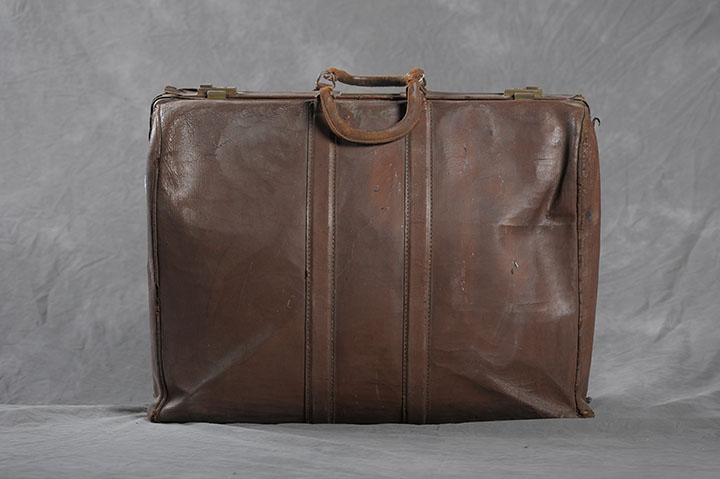
So here is Fred Butters’ case. It is a beautiful design, and I especially love how the leather helps to define it. The handle is also in really nice shape.

There wasn’t a lot in it when it was opened, but what was there was really interesting.

It is so touching to see what he brought with him to Willard.

I especially like the metal container of talc and the design of the Polident can.
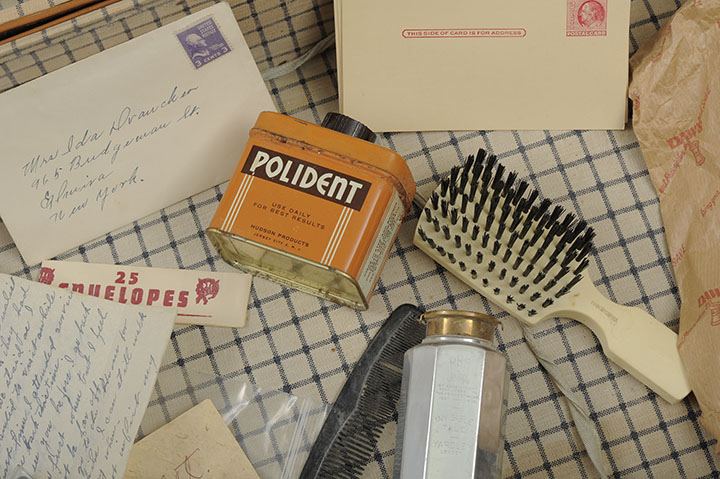
The blank postcards say alot too. One element of this project I need to have answered is whether or not the owners had access to the suitcases while they were at Willard. If they didn’t, what would explain the envelope with the stamp on it that wasn’t ever mailed? I’ll ask Craig; he will know.
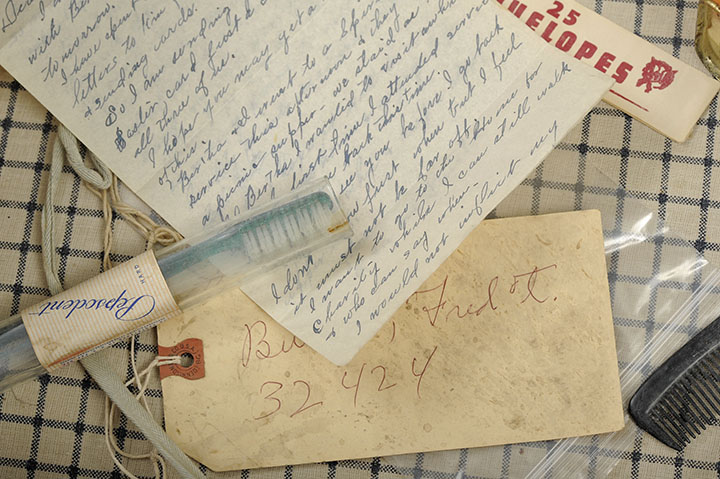
The toothbrush container is glass.

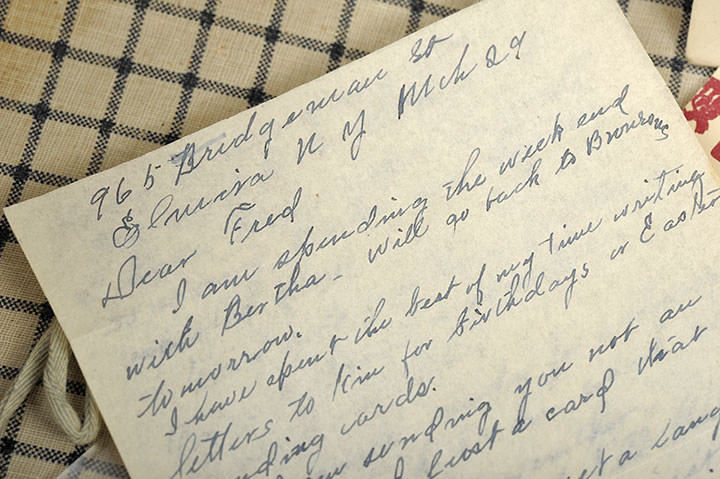
Here is the talc container, and below a letter. I really need to find out if he brought it with him or received it while living at Willard.
So, the project is now posted at Kickstarter. I am really hoping I reach my goal so I can continue to do this work. If you know anyone who might be interested, please feel free to forward it along. Thanks to everyone who has already donated, and to all who have looked at the photos.
World Trade Center Panels
In 2008, I was asked by the New York State Museum to photograph the panels that lined the Fulton Street viewing area overlooking Ground Zero. The 4′ x 8′ sheets of plywood were assembled and meant to act as a way to help keep people in line as they waited to view the site of the World Trade Center after the attacks of 11 September, 2001. Almost immediately people waiting on line started writing on the wood and attaching photos and other momentos in memory and support of the people who died that day. The panels were never meant to be permanent, but they became such an important document of the attacks that Craig Williams worked tirelessly to insure some record of their existence be created. The entire collection of panels was shipped to the museum’s Rotterdam, NY storage facility where we photographed each one. Since the writing was so small, and I was worried about the camera’s ability to resolve the all detail, I decided to shoot each panel in 3 sections and then stitch the images together to make one large file.

This is one of the hundreds of panels we worked on. Connie Houde has been assembling the images and the hope is that researchers will be able to access the complete archive in the near future. (Due to image size limitations of this blog it is nearly impossible to read the smaller writing, but in the original files everything is readable.) Connie made small prints of the entire layout and one day when I was visiting the museum, she laid them out on the floor of the hallway, all taped together. Amazing
At the time we were working on the Fulton Street panels, Craig mentioned that New Jersey had set up a similar viewing area on Liberty Island and that there might be a chance we could document those panels. It took a few years to organize, but this past year they were shipped to Hangar 17 at JFK Airport and we set to work again.
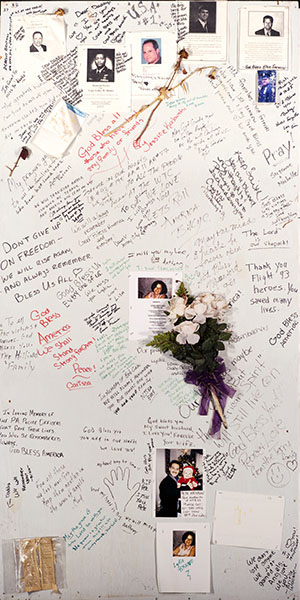
The plywood here had been painted white, which makes reading the text much easier. / So much credit should be given to Craig and his staff for finding the resources to do this work. Due to the instability of plywood and ballpoint pens and markers, fading has already begun; especially on the Fulton Street panels. In a few years, much of what has been written will become unreadable. It is now preserved and will be a great document to the events surrounding the attacks on the Trade Center.
I mentioned Hanger 17 earlier, and I have been fortunate enough to be able to spend quite a bit of time photographing the facility. It is where much of the steel from the buildings has been stored as well as many of the vehicles that were destroyed when the towers collapsed. I had planned to do a rather long post with photos of these artifacts, but when I was editing the pictures today, it just didn’t feel right. It is hard to describe the emotional impact just being around items that represent such a sad and emotional event. There is a certain reverence that one feels when surrounded by so much intensity, and it felt kind of bad to be exploiting it. Maybe someday I’ll do something with them. I made a couple of 360 degree panoramas of the interior of the hangar, and it might be nice to post them here so that people can see what it looked like before most of the steel was distributed around the country. / I’d encourage you all on this 10th anniversary of the attack to think about the people who died, along with their friends and families.
Willard Asylum Suitcase #2

I was back in Rotterdam last week to photograph more suitcases from Willard Asylum. Check this out for the background of the project.

I am slowly beginning to formulate a plan for how to proceed.

Even though an inventory of each case has been prepared by the museum, I prefer not to know the contents before I begin taking pictures.

There is something about being surprised by what’s inside that helps me connect with the person.
And I want the connection because I am trying to say something about the lives they lived before arriving at the asylum.
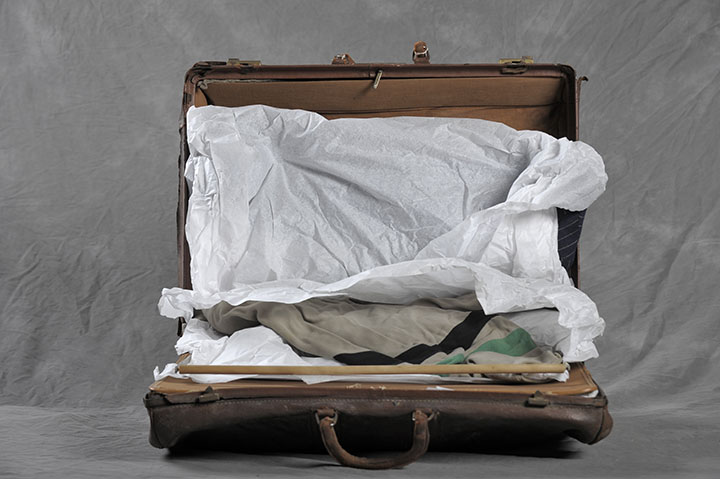
Anna’s first case contained mostly clothes.

I believe the inventory was done just as she arrived at Willard.

The museum is very careful about caring for each individual item.
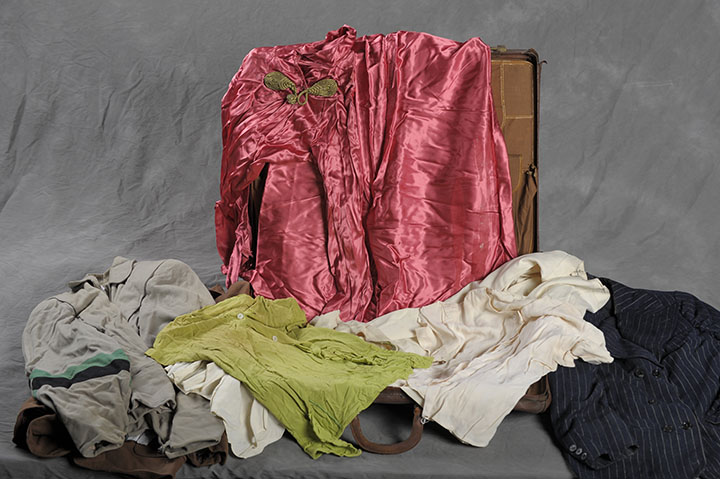
Anna had some really beautiful clothes.

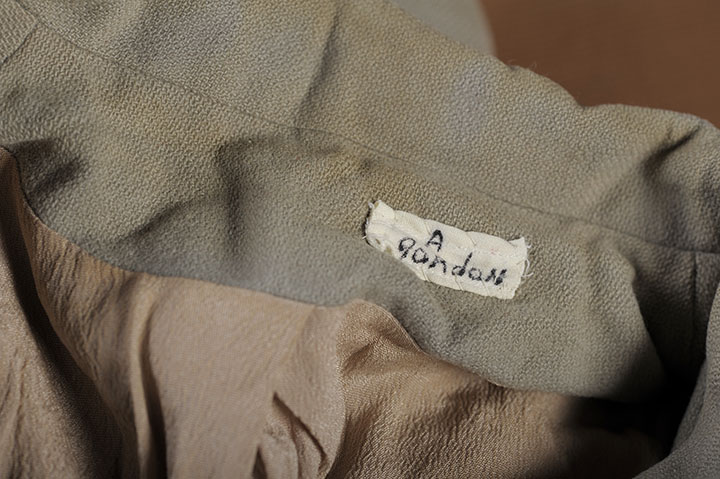
Just about all of her clothes had nametags, which I have to assume were sewn in before her time at Willard.
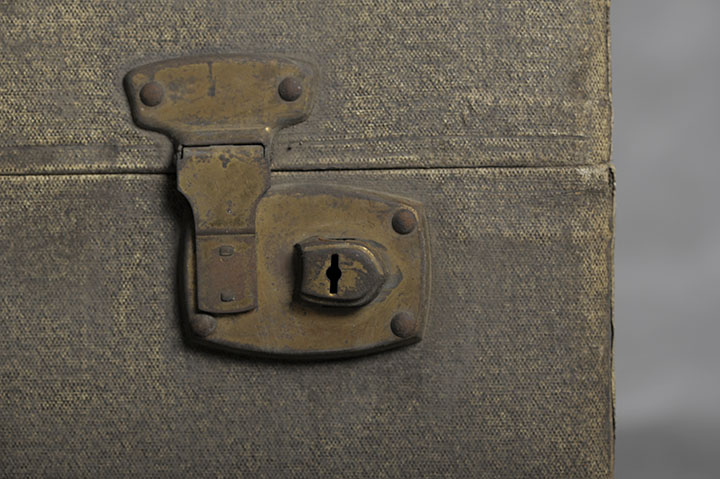
Below is the second of her cases.

This one had fewer clothes and more personal items.

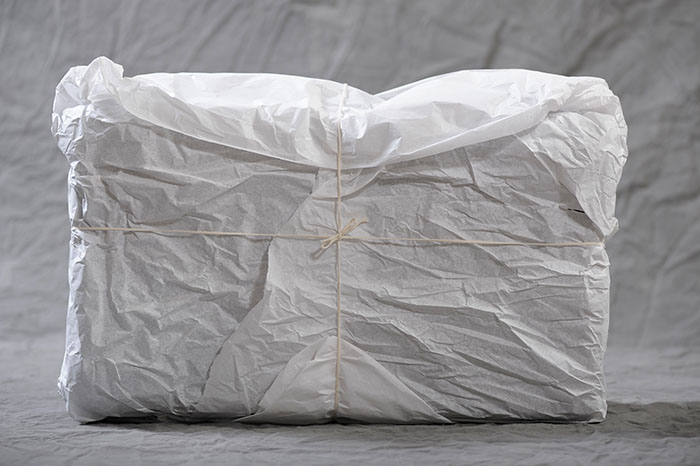
For some reason, I really like the paper that the museum uses to protect the cases and their contents.

I especially like the design of this one.
When I photographed the abandoned buildings on the earlier project, I tried never to move items that I came across. This is so different for me as I need to lay the items out in order to photograph, but I don’t want to make the arrangements look too studied. I actually work very fast when I am shooting.
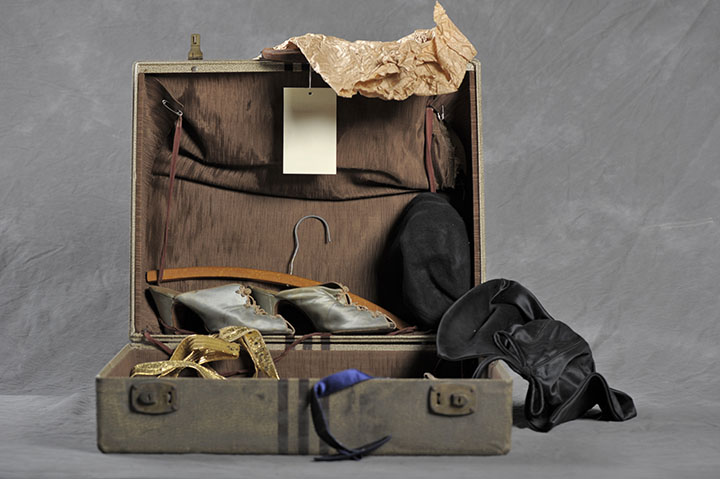
This case contained several hats, and an incredible pair of shoes.

There were also some indications of her life before Willard.

The hair pin packaging is beautiful.
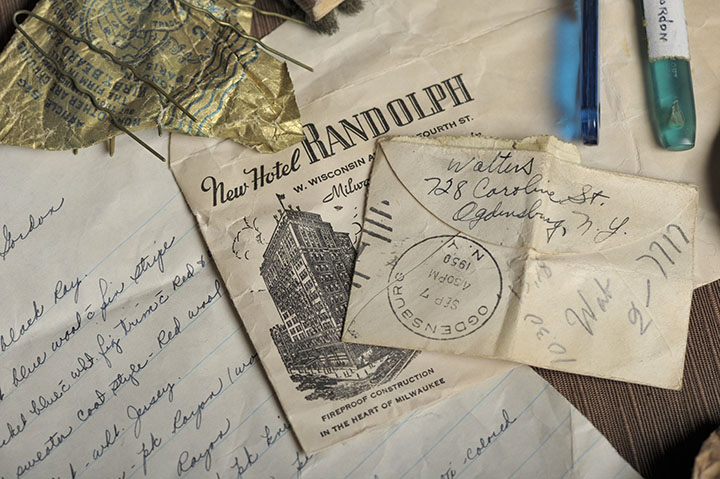
I am not sure if the residents of Willard had access to their possessions during the time they were living there, but somehow I think not. So this letter would probably have been received before she arrived.

And since it was not addressed to Anna, I wonder about its importance to her.
Thanks so much to Craig Williams at the New York State Museum for allowing me access. As I mentioned in the earlier post, I would really appreciate any feedback. I still don’t have an outlet for this work, and no funds to jump into it in any concerted manner, but I hope to keep chipping away. There is alot of information about the people attached to these suitcases and should I go much further with the project, I would like to be able to include some biographical background to accompany the photos.
Walk-Over Bucks
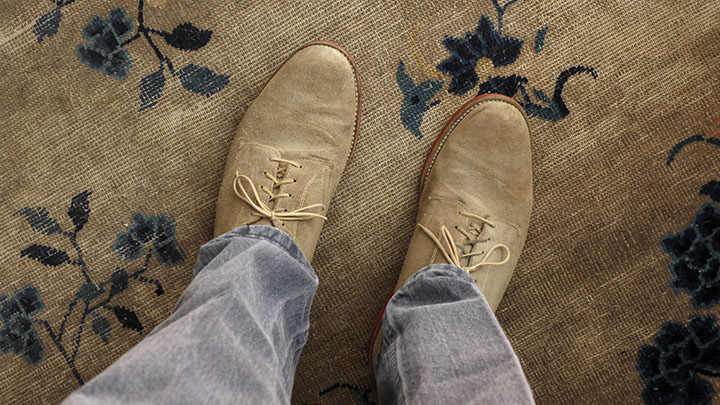
I think Pieper was the first person I knew that wore Walk-Over Bucks. They were part of the uniform of a small group of us in Ithaca in the 70’s. Bucks, blue jeans, oxford shirt, and sometimes a tie if you were working or otherwise trying to fit in with people who cared about those things. I must have owned at least five pairs over the years. I have a basic wardrobe rule of thumb that you can wear pretty much anything below the belt as long as you have on a clean oxford shirt and a tie, hence the blue jean/bucks combo. This particular pair was the last I was able to find. I bought them in the early 90’s at Mathew’s Shoes (long since out of business) in downtown Amherst, and I think that Walk-Over had already ceased to be by that time. I wasn’t able to find another pair anywhere and assumed that the company was done for. / In yesterday’s Times I saw an article about how this type of shoe is making a comeback and was shocked to see a pair of Walk-Overs in a photograph. Someone has resurrected the brand and they are making them again. They are now $225.00 but still probably worth the money. I break this pair out once in a while and I think it is time to take them to the local cobbler to be resoled.
1546 Chestnut, Santa Ana, CA

John Kishel knows so much about the obscure history of Southern California. We were talking about guitars the other day and he mentioned that as a kid he would send in a coupon from Boy’s Life Magazine to the Fender Guitar Company to receive a free catalogue. The address on the coupon was 1546 Chestnut, Santa Ana, Calif. Fender guitars were made in Fullerton, but in 1958 the company opened up a sales and distribution center in Santa Ana. It is interesting to think about all the incredible guitars and amps that were shipped from this building. And it sits less than 3 miles from his house. We went out for a meal tonight and stopped by for a visit on our way home.

I like being in places where cool stuff happened. The building has something to do with Culligan water treatment now and the front entrance is obviously not in use. Love the light fixtures though. They look original to the building.
Watts Towers
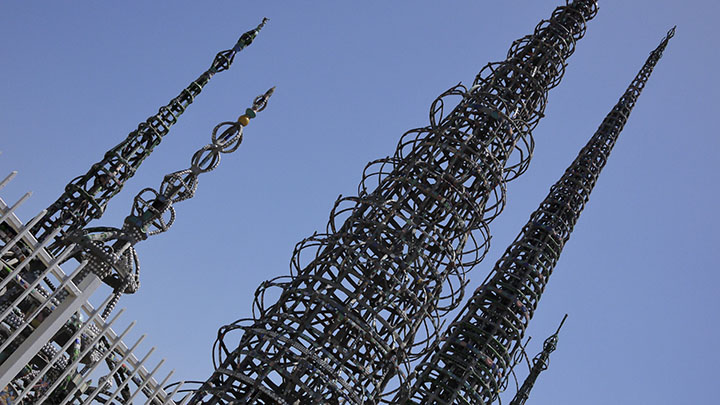
John and Lynne took us on a mini tour of places of note in the LA area yesterday. It is amazing to watch John navigate around the area. He grew up out here and knows the streets very well. Lynne does the driving and John says things like “Why don’t you turn right here?” We always end up in amazing places. The Watts towers are a National Historic Landmark and worth a visit. Learn more about them here.

Whenever I think of Watts I am reminded of my great friend Alex’s tales of his time as a young man in the National Guard and being placed on a corner with live ammunition during the riots of 1965. Not having been given much in the way of guidance, he wasn’t sure what would happen, and fortunately for everyone around where he was stationed, not much did.
Yaz

Cris and I flew to California last night. JetBlue is the only airline with direct flights from Logan to Long Beach, and it was a nice flight. It was pleasant to see this life-sized Yaz at the gate. Only in Boston, I guess. To get to the airport, you drive through the Ted Williams tunnel and then just before you get on the plane you are reminded again about how big a role the Sox play in New England’s identity. I didn’t see Paul Revere anywhere, but Sam Adams was in all the bars.
Crabbing on the Chesapeake

Yesterday we were out on a crab boat with Roy and Colleen Sadler. We were on the dock by 4.30 AM, and on the Bay putting out lines by 5.oo. It is still early in the season, and when Roy started pulling up the lines, there wasn’t much action.

The sun was just coming up over the horizon, so the boat was still using the onboard lights. The technique is to attach small packets of razor clams to a line about every 10 or 15 feet. Roy and Colleen would drop the line, circle around and hope the crabs would chow down. The line would be strung over a roller, and any attached crabs would drop into the net Roy is holding above.

The crabs have to be over a certain size to be kept (I think it’s between 4 and 5 inches), or they get tossed back into the bay. Since the sun hadn’t come up, they were mostly inactive. But as the sun rose higher, more and more took the bait.
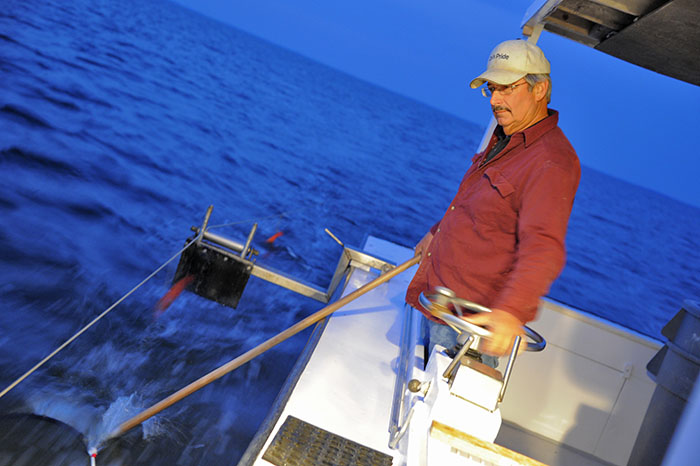
You can see the little orange packets of razor clams coming up over the roller.

Bait.
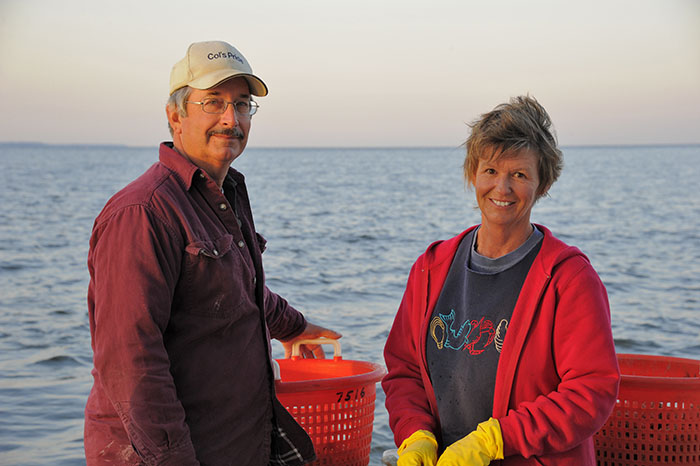
Roy and Colleen are amazing people. Roy has been working on the water his whole life, and Colleen works in a bank on the island during the week. She is usually on the boat at weekends helping out. The economics of making a living off the bay have changed so much over the years; Roy has said it would be very difficult to keep his business going without her income. A lot of what we are learning on this leg of the project has to do with the stifling regulations that the State of Maryland is forcing on the watermen (and women), and the ongoing change to the bay’s ecosystem which makes harvesting seafood such a challenge.
Bartlett Fishrod Factory Dam
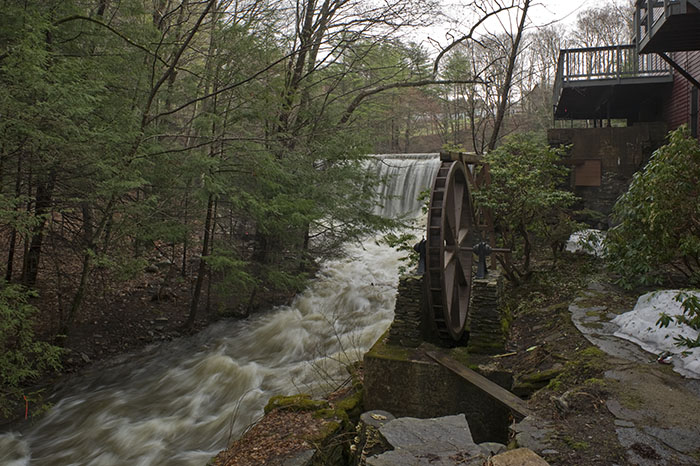
It rained really hard last night, and I thought it would be a good time to start to document the old dam on Amethyst Brook in Pelham. There is some talk about removing it to allow the river to revert to its original course. It was built almost 200 years ago, and the small lake above the dam used to be a popular swimming spot for the locals. When we first moved to the area, it seemed sad that it no longer filled this purpose. Years ago the state declared it unsafe, and in 2008, the state Office of Dam Safety declared it “structurally deficient”, and the current owners were forced to either repair or remove it. Lots of dough involved here, and several local and national pro rivers organizations are trying to raise the money needed to start the demolition. I hated the idea at first (destruction of a cool old structure), but after reading an article in the Amherst Bulletin, it seems to make a sense in terms of restoring the river to its original state. It’ll be fun to watch what happens.

Willard Asylum Suitcase
I’m not sure yet where I am going with this project, but I wanted to post some shots for feedback. / In 1995, the New York State Museum staff were moving items out of The Willard Psychiatric Center. It was being closed by the State Office of Mental Health, and would eventually become a state run drug rehabilitation center. Craig Williams was made aware of an attic full of suitcases in the pathology lab building. The cases were put into storage when their owners were admitted to Willard, and since the facility was set up to help people with chronic mental illness, these folks never left.
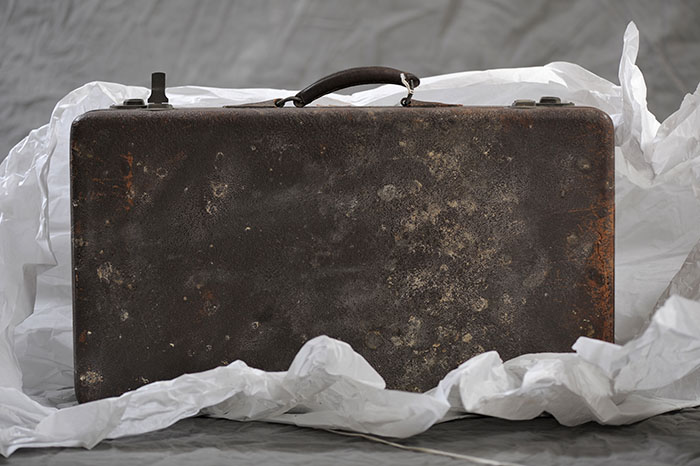
The Museum made arrangements to have the suitcases moved to the Rotterdam storage facility, where staff have catalogued each one, and have carefully wrapped and preserved their contents.

An exhibit of a selection of the cases was produced by the Museum and was on display in Albany in 2003 or 2004. It has also traveled around New York State. It was very moving to read the stories of these people, and to see artifacts from their lives before they became residents of the Asylum.
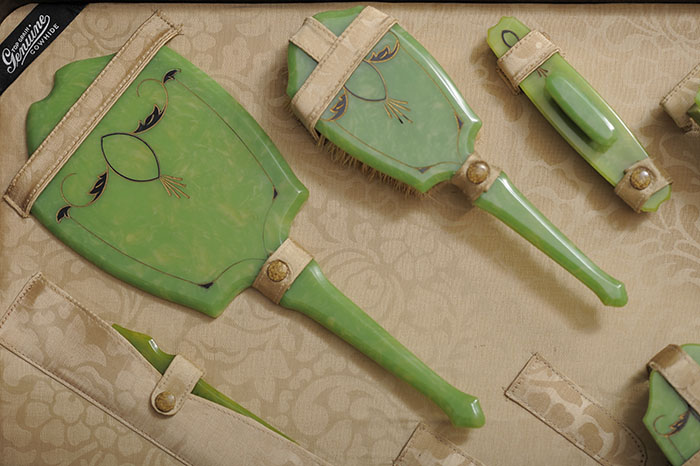
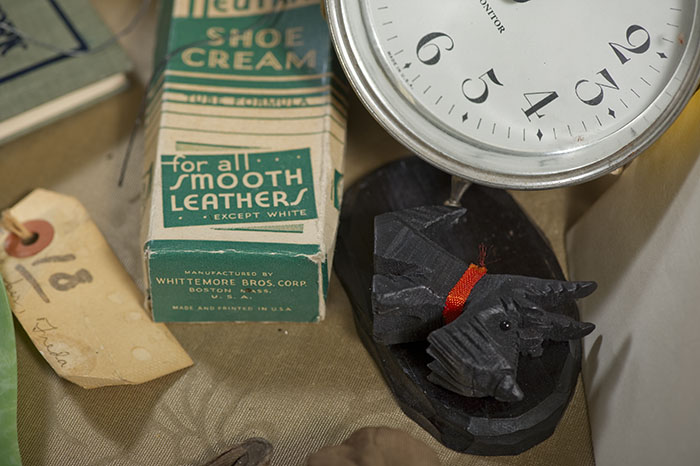
This particular case belonged to Freda B…..(I would really like to use her whole name here, but there is a massive debate going on as to whether people who have been at Willard and other psyc centers need to be protected by privacy laws. I come down strongly on the side that it is dehumanizing and stigmatizing to pretend that she doesn’t have a surname.)

I am so interested in these cases. I like the idea of documenting the care and energy that the Museum has put into them. And I am totally wigged out by being able to photograph a representation of the lives of people who struggled so much to make it in a very stressful and confusing world.

It is still early days, and I am struggling a bit as to how I should approach this. The cases have been photographed before, but in a totally different manner. The first hurdle seems to be cleared; I have access. The next is time, which I think I can manage. The big one is funding, which is something on which I need to work. And finally, what could come out of the project. An exhibit would be nice, or maybe a book.
I have been working on some ideas with Dr Karen Miller, a writer and psychiatrist. She has also been spending time with the cases, and doing research on the lives of people who were at Willard. We’ll see what happens.

In the meantime, feel free to send this link around to anyone who might be interested. And any feedback would be appreciated.
 Jon Crispin's Notebook
18 comments