Willard Suitcases / Chapin House / NAMI Waco

I took this photo in the early 1980s at the very beginning of my connection with Willard. It is still one of my favorites from the “Silent Voices” project.
Here are a few shots from my recent uploads to the suitcases site.

I’m not exactly sure what the white fabric object is in Kenneth Q’s case, but it is interesting. The orange toothbursh is kind of nice.

Elizabeth C’s dress is so beautiful.
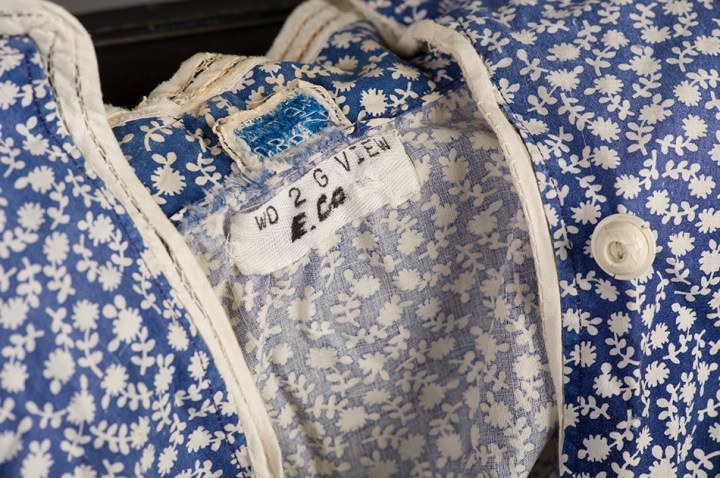
The cotton fabric is soft and wonderful.

There are 3 different places on the above photograph where I had to obscure Amelia’s surname, and it still makes me sad every time I have to do so. The Office of Mental Health pr guy told me a few years ago that it was necessary due to the stigma of mental illness. It is precisely that attitude that prolongs that stigma; the Willard patients deserve to be recognized as being more than just patients at a New York State asylum.
On Wednesday, I fly to Texas to present the suitcases project at a dinner sponsored by NAMI Waco. Here is a link to the event. If you are in the area, it would be great to see you and make a connection.
Thanks for following.
Willard Suitcases / Stuart B / Oscar Wilde

I am getting a lot of editing done lately, and am feeling great about the images.

Stuart’s (maybe Stuert, it appears both ways) case was full of interesting toiletries. Several of the residents had Dr. Lyon’s Tooth Powder.

I have always wanted to avoid “fetishizing” the objects that came to Willard with the patients, but the design of the items in Stuert’s case really grabbed me.

The attention to detail in commercial design during the time of these products is impressive.
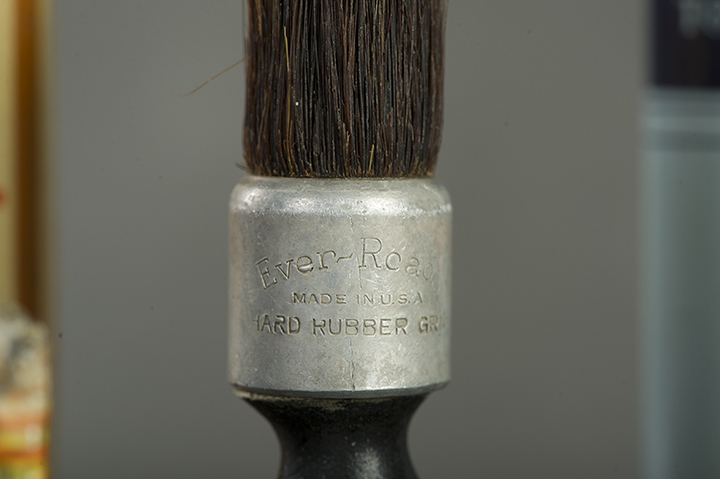
This Ever-Ready shaving brush had quite a bit of use.
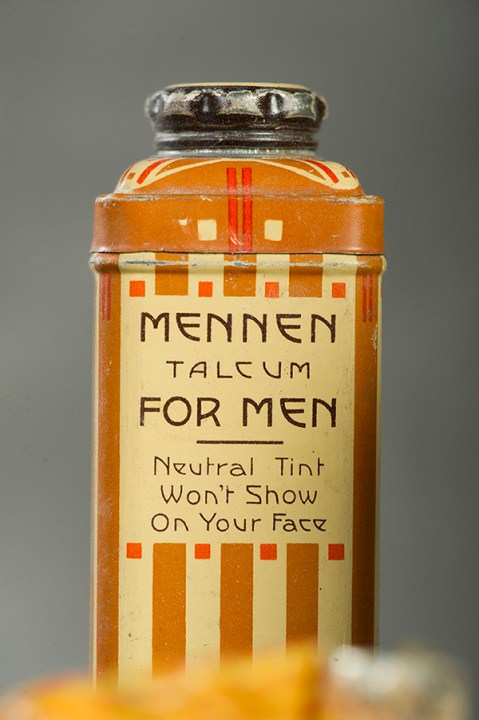
I love the typeface (or is it font?) on the Mennen talcum powder. One wonders about the “neutral” tint, and on just how many faces it wouldn’t show.

The above image is one of my favorites from the project.

The Mennen Company is still in business, and are mostly known for their deodorants.
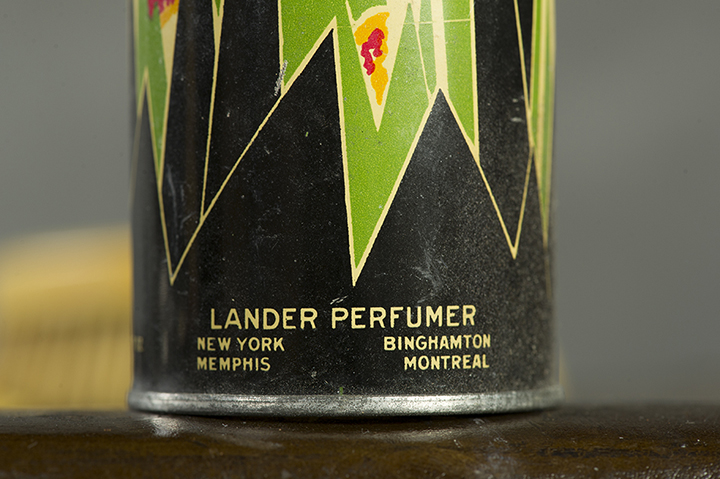
Lander Perfumer; New York, Memphis, Montreal, and……Binghamton!
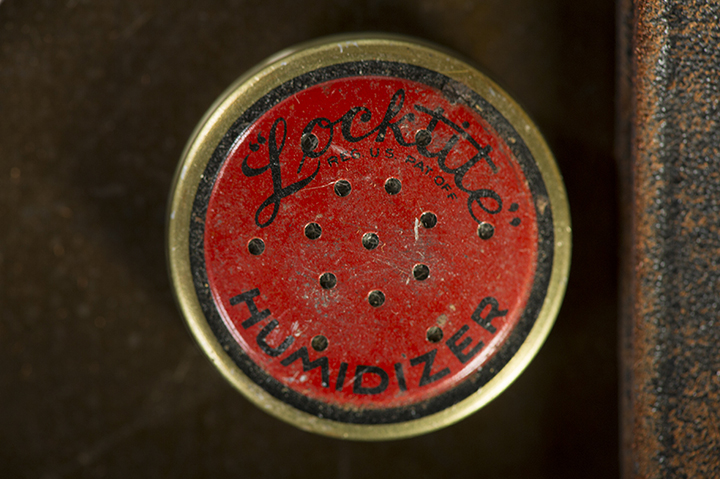
I am glad I (or Peg) thought to photograph the back of the “Locktite Humidizer”.

It keeps your tobacco fresh, and they are definitely out of business.

Thanks for following. I have been uploading a ton of new cases on the Willard Suitcases site. Go check it out, and don’t forget to click on the “view all” link at the bottom of each page. 25 is the default number and in many instances, there are more than that number in the gallery.
I was listening to “With Great Pleasure” on Radio 4 today while I was editing these photographs and heard this Oscar Wilde quote from “De Profundus”. “Where there is sorrow, there is holy ground”. I think he was right on the money.
Kilmainham Gaol / Guinness / Home
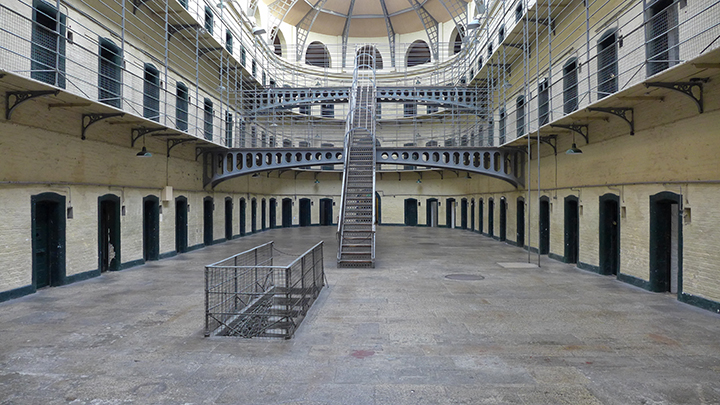
Our time in Dublin was limited, and it was difficult to decide what to do for the last day and a half we were there. We were really interested in seeing the historic Kilmainham Gaol, as it was highly recommended. The only way to get in is with a guide, but Brian was really knowledgeable and we learned a ton about the history of Ireland.

My interest in institutional architecture and abandoned buildings goes way back, and it was a treat to be able to walk through this important historic site and have time to photograph.
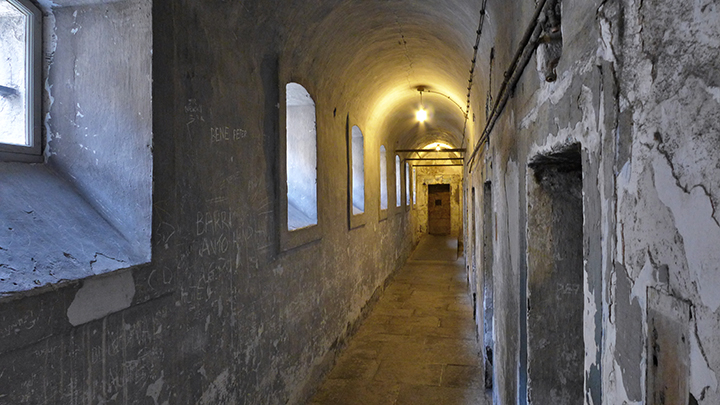
For me walking through hallways like this is the best way for me to connect with the history of a place.

The building was abandoned for many years and left to deteriorate, but a group largely made up of volunteers has worked for years to make it accessible to the public.

The tour was fairly crowded, but it was pretty easy to hang back and photograph whenever I saw something interesting.
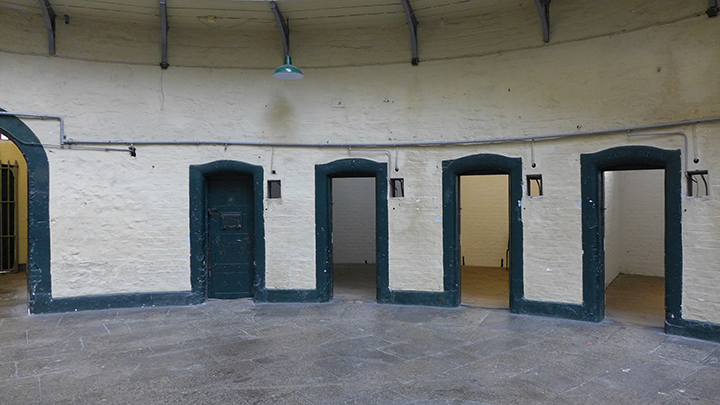
The main hall in the first photograph was built based on an idea of imprisonment that came from the Pentonville prison in England, whereby prisoners were isolated in individual cells rather than thrown together in large rooms. This was meant to foster a more peaceful environment to aid in rehabilitation , but conditions were still quite brutal.

The cross at this end of the yard marks the spot where James Connolly was executed by firing squad. If you get a chance to read about him in the link, the story of his life and death is very moving. I think the best thing about the tour of the gaol is how much Irish history we learned.

After the prison, a trip to the Guinness Brewery seemed like a good idea.

This is an enormous industrial complex in Dublin. Another tour, but this one was self guided but also quite informative.

It was cool to see this little monument to William Sealy Gosset since I had just seen an article in the Times of London about his work on probability and how Nate Silver uses the same basic model to predict US elections. The article is behind a paywall, but you might be able to sign up for a free trial. It is worth a read.
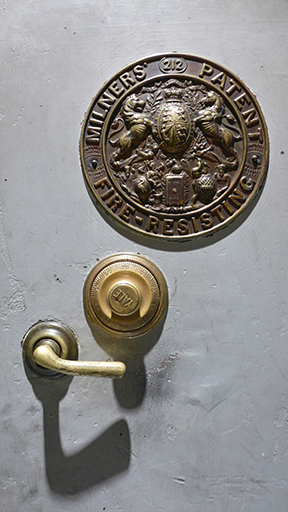
This is the handle of a big safe that held the yeast strain that is still used in making Guinness. / The tour ended with a complimentary pint of the black stuff, which as always, goes down a treat.
We had a few hours on the day we flew home so were able to see the Book of Kells at Trinity College. We were told not to miss it and it was amazing. No photos are allowed in the exhibit, but the tour does include a visit to the Long Room Library.
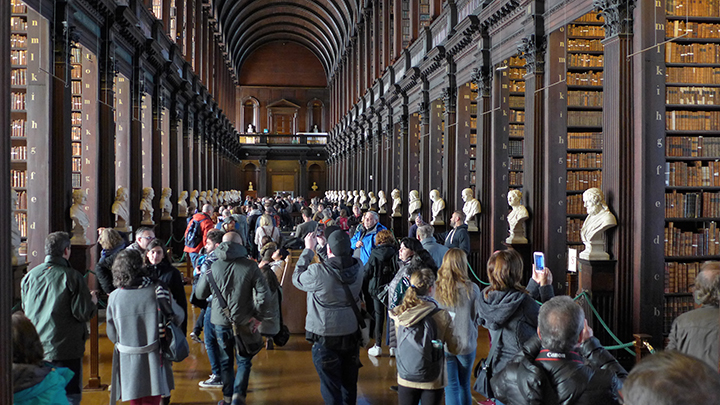
More crowds, but the room is stunning. Love the marble busts.
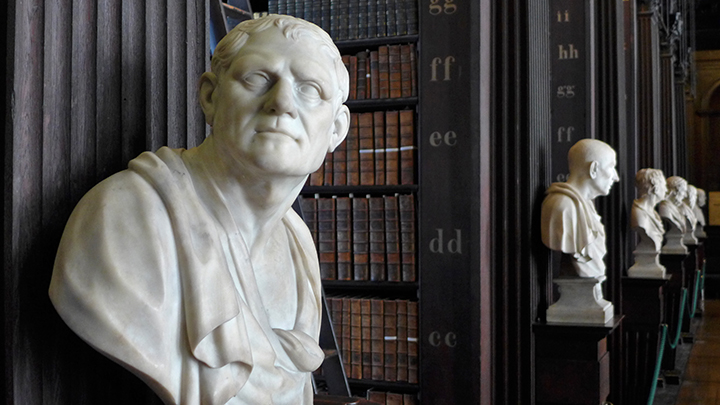
Here is old Demosthenes checking things out.

There is an active conservator’s lab that the public can view, and I was reminded of my work on the suitcases as the cotton string used to wrap the books is the same that the New York State Museum used on the cases.

Here is a piece of it tied to the grate that separates the conservators from the public.

We had a bit of time before catching the bus to the airport to walk through St Stephen’s Green and enjoy the beautiful autumn day.

Back home now to return to spending a lot of time editing the suitcases, and to begin reaching out to publishers and museums. Thanks for following.
Dix Hospital Cemetery / Willard Suitcases
The visit to WUNC went really well. Frank Stasio was a great interviewer and it was fun to chat with him and Rose Hoban, whose interest in the suitcases brought me to Raleigh for the Lives on the Hill event. Here is a link to the broadcast.

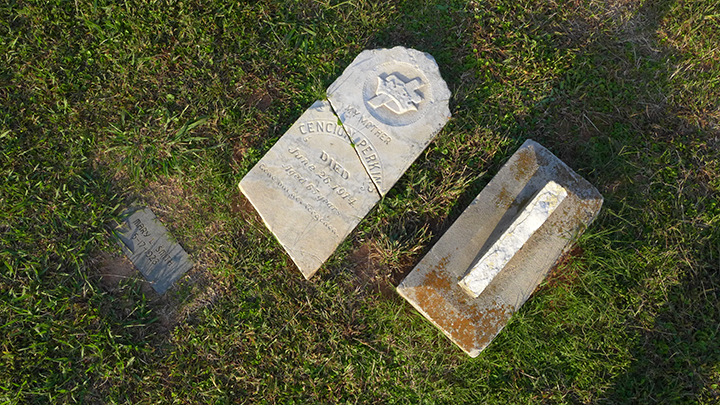
I am staying with my friends Eric and Gail Vaughn and yesterday they drove me over the Dix grounds so I could get my bearings. I saw this marker for the cemetery and we stopped to walk around.

I was actually shocked to see that the grave markers used names instead of numbers as New York State does. And it made me both sad and angry that New York still refuses to allow former patients to be identified.
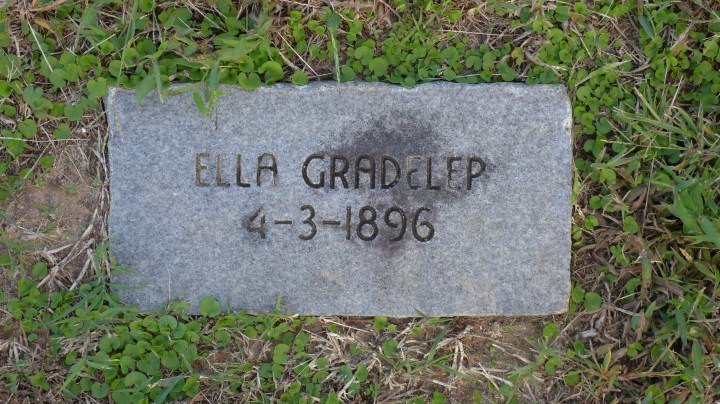
It would seem such an easy thing to change, but New York State OMH has no interest in doing so.
Please go to Lin Stuhler’s site and read her goodbye post. She has said it much better than I ever could.
Tonight is the reception at The Mahler Fine Art gallery in Raleigh and tomorrow is the big public event. If you are in the area please come by. Thanks for following.
Cold War Bunker (Revisited)
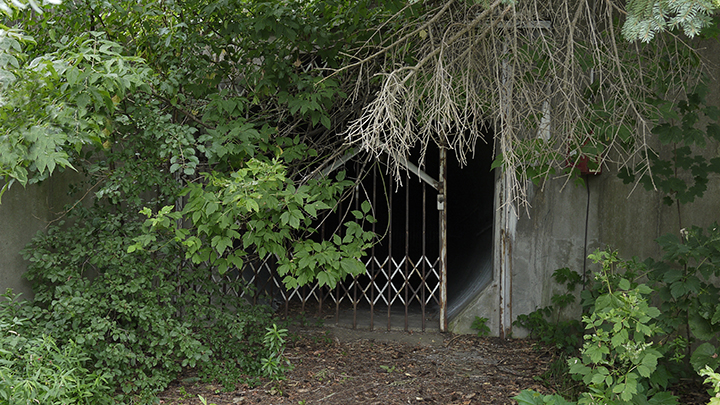
I was looking at some photographs that I took in 2010 of artifacts from the Attica Prison uprising, and came across these shots from a visit to a nearby New York State cold war bunker. I first mentioned it in a post here.

When Craig Williams and I went down into the bunker, we were accompanied by a couple of local policemen who thought there might be people inside, as the gate had been forced open. They checked it out and the space was empty, so we went in. As you can see by the beads of water on the wall, it was really humid and musty.
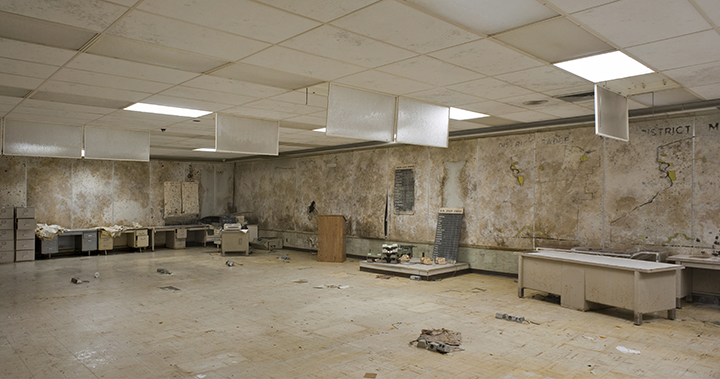
There was electricity, so most of the fluorescent lights were still working.

Abandoned spaces have always fascinated me, and I’ve been lucky to get access to some amazing buildings.
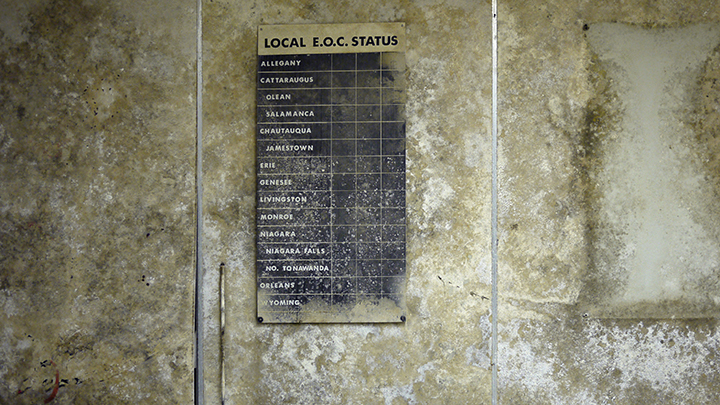
The idea that the usefulness of a place can end abruptly, and that an organization like the State of New York can basically walk away from it is especially interesting. I had the same feeling with my Silent Voices project (click on “asylums”).

It is amazing what gets left behind. There is some pretty old technology in this shot. My dad had a Wollensack tape recorder like the one above that I used to play with as a kid.

There are usually lots of keys in places like this.

I am not sure when New York State shut down these sites, but I believe there were 6 or 7 of them scattered around the state.
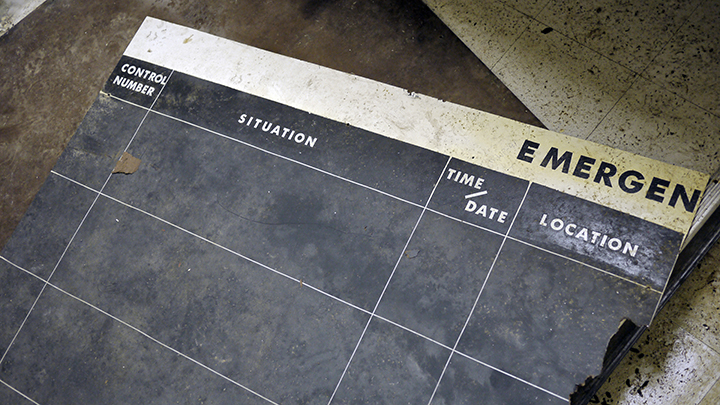
There must have been some permanent staff who worked here, but I would guess that it was a small crew that could have been expanded on during a crisis.

It must have been an interesting place to work.
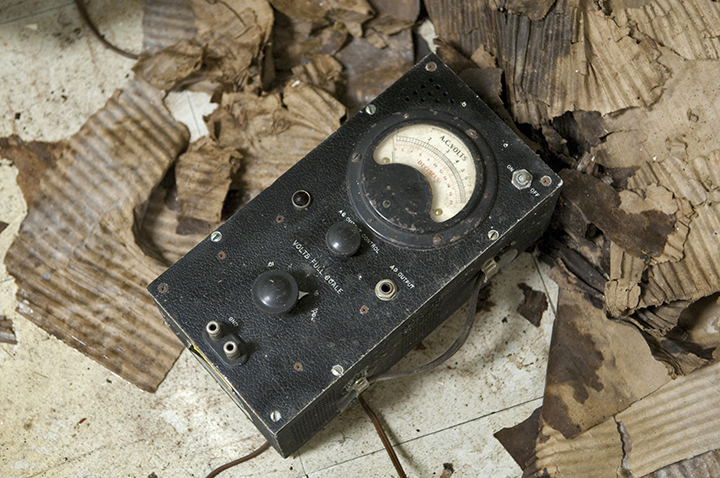
I realized while writing this post that I knew very little about the history of these sites, so with a quick internet search, I found this great resource.

The U. S. Government logo for civil defense is a beautiful design; as I was growing up in the 60s it was everywhere.
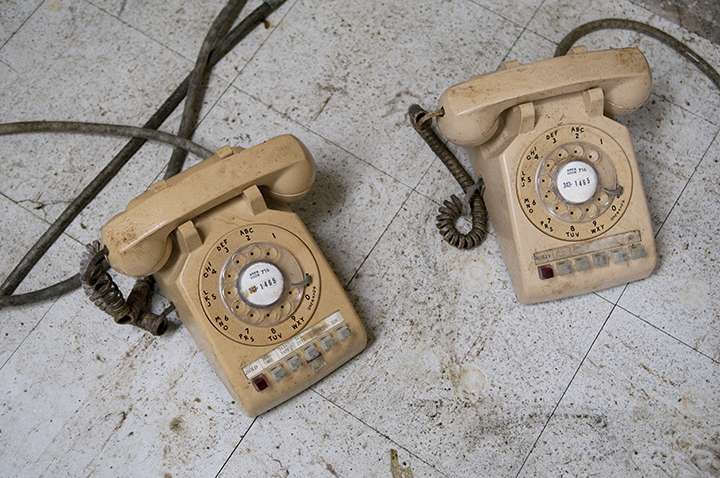
As were these old rotary phones.
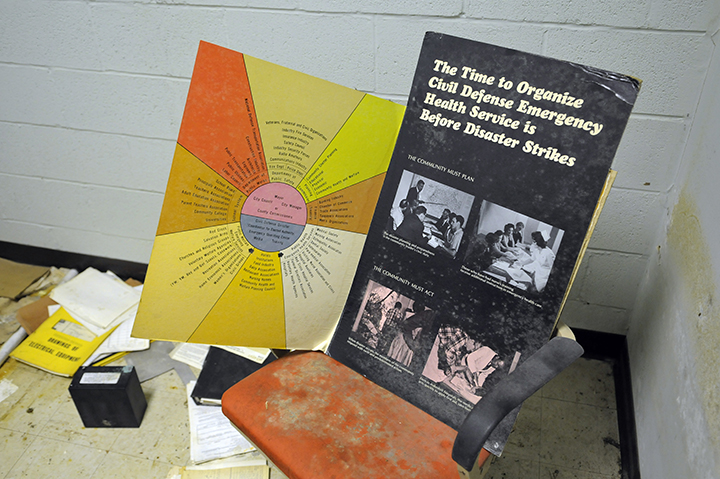
Both the Federal and State governments were active in distributing information about what to do in the case of an emergency situation, which seemed to always be about some sort of attack from the USSR.
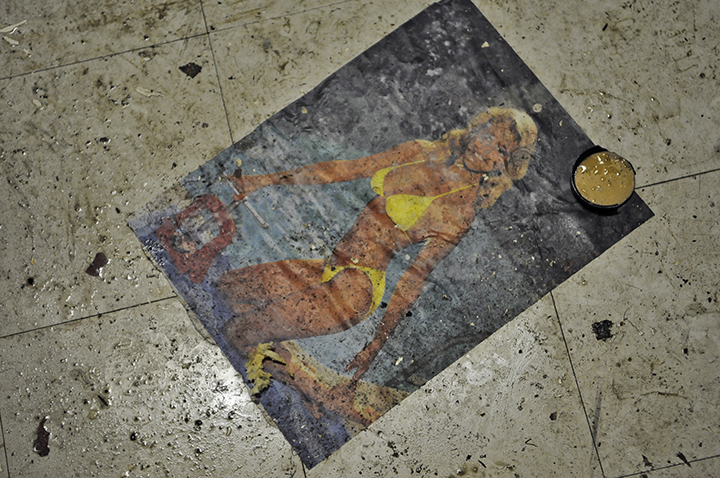
This is a page from an old Ridgid Tool calendar. There were a bunch of these scattered around the floor.

Here’s one last shot of the main room. Thanks to Craig for setting me up to get into this place. I’ll try to do something with the Attica artifacts sometime soon.
I finally figured out why I have so many new followers. WordPress featured me on their main site, and I want to thank them for doing so. I was going to try to explain to you recent followers what I am trying to do here, but it is kind of obvious if you just jump around through my previous posts. So, welcome and thanks for following.
Willard Suitcases / Names

I just got word that the governor of New York State has signed Senate Bill S840A. Here is the summary of the bill; “(Senate Bill S840A ) relates to patients interred at state mental health hospital cemeteries; directs the release of the name, birthdate and date of death of certain patients 50 years after the date of death”. I am not totally clear about what “certain patients” means, and to whom this information may be released, but this is certainly good news. Here is a link to two earlier posts I did about the cemetery and the whole issue of names. Click on Coleen Spellecy’s and Lin Stuhler’s links to read about the two people who did the most to get this bill through the legislature. And thanks to Joe Robach for being persistent in getting the bill passed and signed into law.
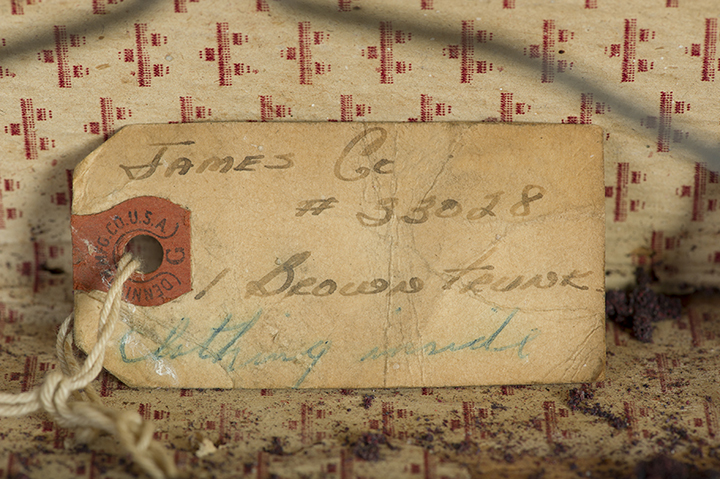
The issue of not being allowed to name the owners of the suitcases has always bothered me. I have been expressly told by both the New York State Museum and the New York Office of Mental Health that due to state law, I am forbidden to use the surnames of the patients when I publish the photographs, even though some of those names have already been mentioned in local newspapers and in other sources. I feel that not using surnames continues to dehumanize the folks who were already stigmatized just by being patients at Willard. Due to this new law, it might be possible, in some instances, to begin using full names. All in all, this is a pretty exciting development.
Thanks for following and check out the suitcases site to see the latest.
Willard Suitcases / Theresa F / Events
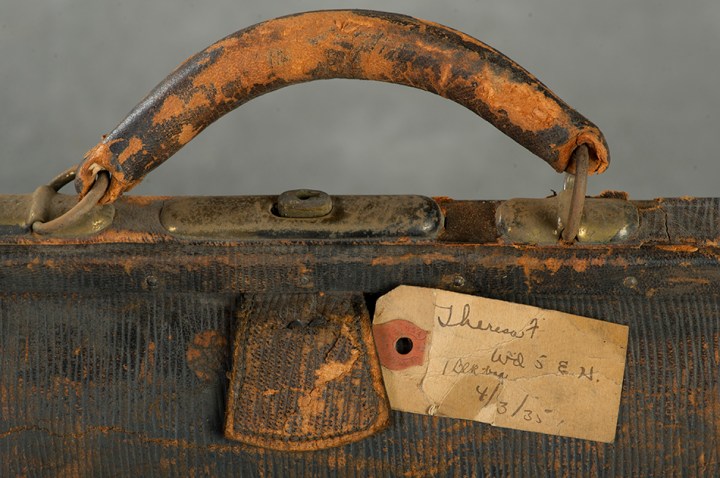
Even though my summer has been scattered location-wise, I have been able to work regularly on editing the suitcases, and have been able to upload a good number of them to the Willard Suitcases site. Click on “The Cases” to see the latest. Theresa F was admitted to Willard on 3 April 1935.
It might be a good time to mention a couple of upcoming events where I will be talking about the project. In early October I will be traveling to Galveston to speak at NAMIFEST 2016. NAMI is a national organization dedicated to supporting individuals and families dealing with issues of mental illness. I’ll be speaking at the dinner event on Friday (the 7th). If you have been following the project and live in the Gulf Coast area, please think about attending.
The following week, I will be speaking at a very interesting event in Raleigh, NC. The “Lives on the Hill” project is being organized by the North Carolina Health News folks, and will be highlighting the shuttered Dix Hospital property in downtown Raleigh. I will be speaking at the Sunday (the 16th) event taking place at the Student Center on the NC State Campus. There will also be an exhibit of the photographs up for the entire month of October. I’ll update about the location once those details are finalized.
It is very exciting to be involved in both of these events, and I am really looking forward to being a part of them.
Durbar Square / Hindu Gods

Cris starts work tomorrow, so today was a day to walk around a bit. The earthquake damage is very obvious with piles of brick everywhere and scaffolding around many buildings.

These shots are all from around Durbar Square.
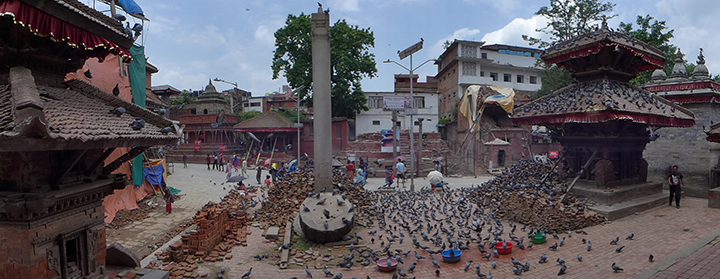
Cris would gasp just about every time we turned a corner in this part of Kathmandu. She came here first in 1979 as a Peace Corps volunteer, has subsequently come back to work in Nepal on a regular basis, and is really familiar with the city. It is really shocking to see the devastation.
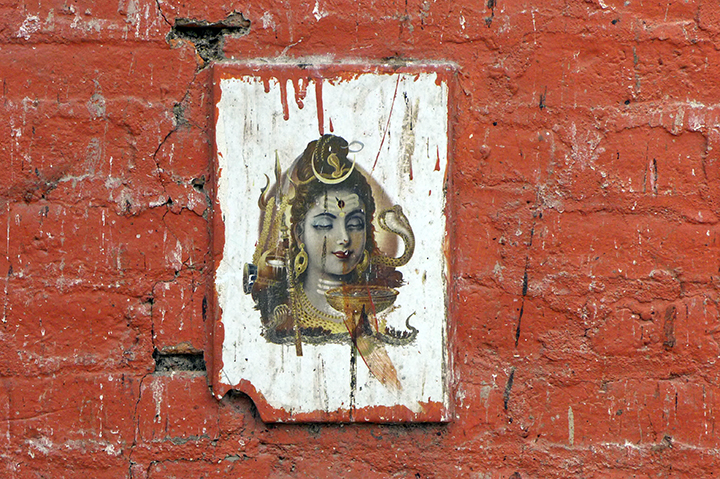
As we were walking back to the hotel I started noticing pictures of Hindu gods that were about 3 feet off the ground and which were spread out about every five yards along a huge brick wall. They are evocative in the odd way that things that attract my attention are. I began taking pictures of them when I saw this next guy, who looked much more contemporary than the rest.
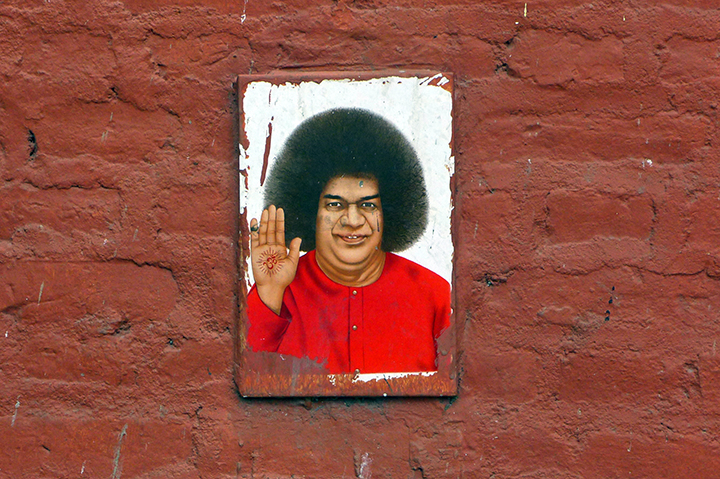
These next two are Krishna.

He is almost always depicted with a cow and a flute.

And often a milkmaid.
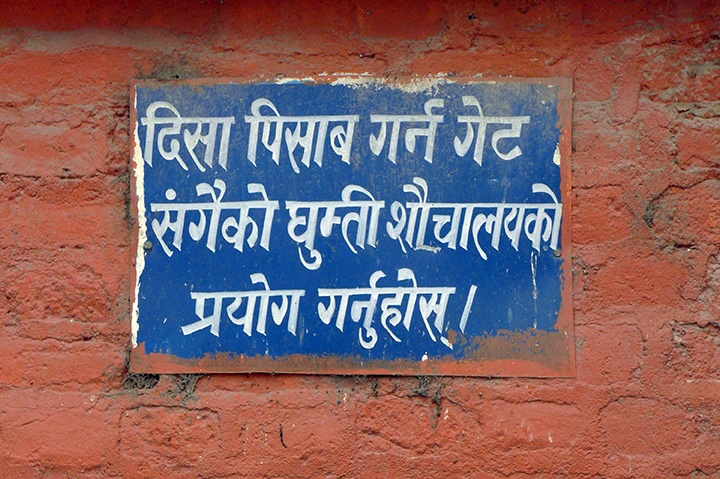
This sign was higher up on the wall and Cris was looking at it and smiling as I walked past her. It is amazing to come to a place like Nepal with someone who speaks and reads the language. It basically says, don’t piss or shit on the wall. Which is why the images of the gods are placed just about the height at which a man’s stream would fall. It seems a pretty effective deterrent.

The issue of public defecation is something that the current government has begun to work on (for obvious reasons).
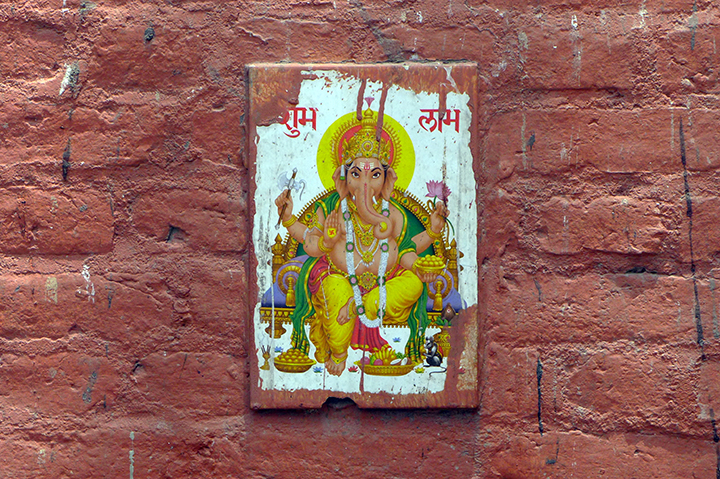
We like Ganesh as he is the remover of obstacles and the patron of the arts and sciences. For some reason, we have always associated him with travel, which is something we do quite often. Finally, here is Hanuman, the monkey god.

Thanks for following. We are a bit sketchy on Hindu lore, so please pardon me if I have gotten anything wrong about the gods.
Willard Suitcases / Virginia W
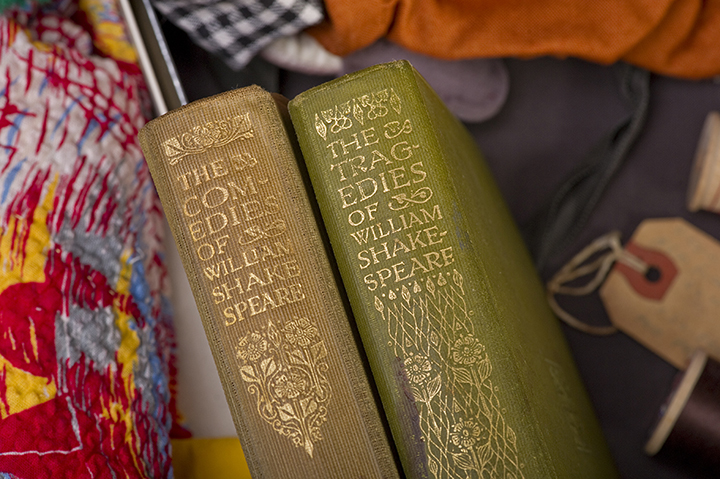
Virginia’s case is pretty great. I can’t quite make out the date of her admittance, but it is sometime in the early 1950’s. It is interesting that these were the only two books she brought with her to Willard.
Good news about the willardsuitcases.com site. Steve Fox was able to troubleshoot the problem, and it is back up and looking good. I just added Virginia’s case, so you might want to check it out.
I am looking forward to seeing some of you in New York next week.
Bradley Airport Terminal B
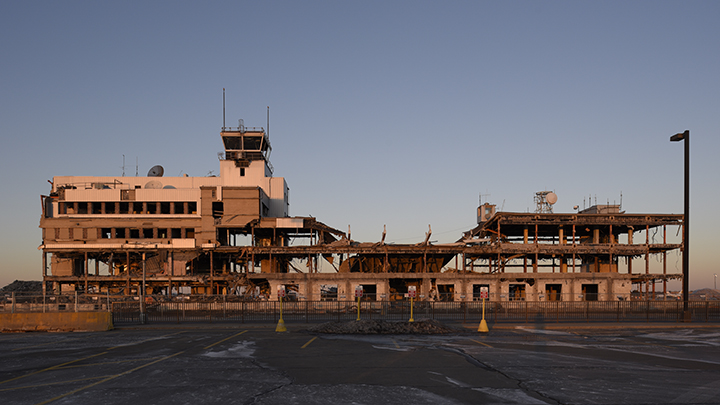
Peter and I used to drop off Cristine at this terminal when she would be leaving on some of her long trips to South Asia for work. After she went to her gate he and I would sit on a bench at curbside and record the names and numbers on the shuttle vans as they came past. I still have some of the notebooks that we used all those years ago.
On Friday I drove her to the airport for a brief trip to DC and on the approach road, this is what we saw. I guess I knew that they would be tearing it down at some point, but it was still a bit of a shock. / She flies in later tonight, but I came down early to try to get a shot. The sun went below the horizon within 30 seconds of taking this photo and the light changed completely. It is always amazing to me that a building once so full of activity could be reduced to this. It will be completely gone very soon.
 Jon Crispin's Notebook
leave a comment